How can our food systems be redesigned to value social, economic, and environmental justice?
Lab Leadership

Caitlin Taylor, RA
Design Director
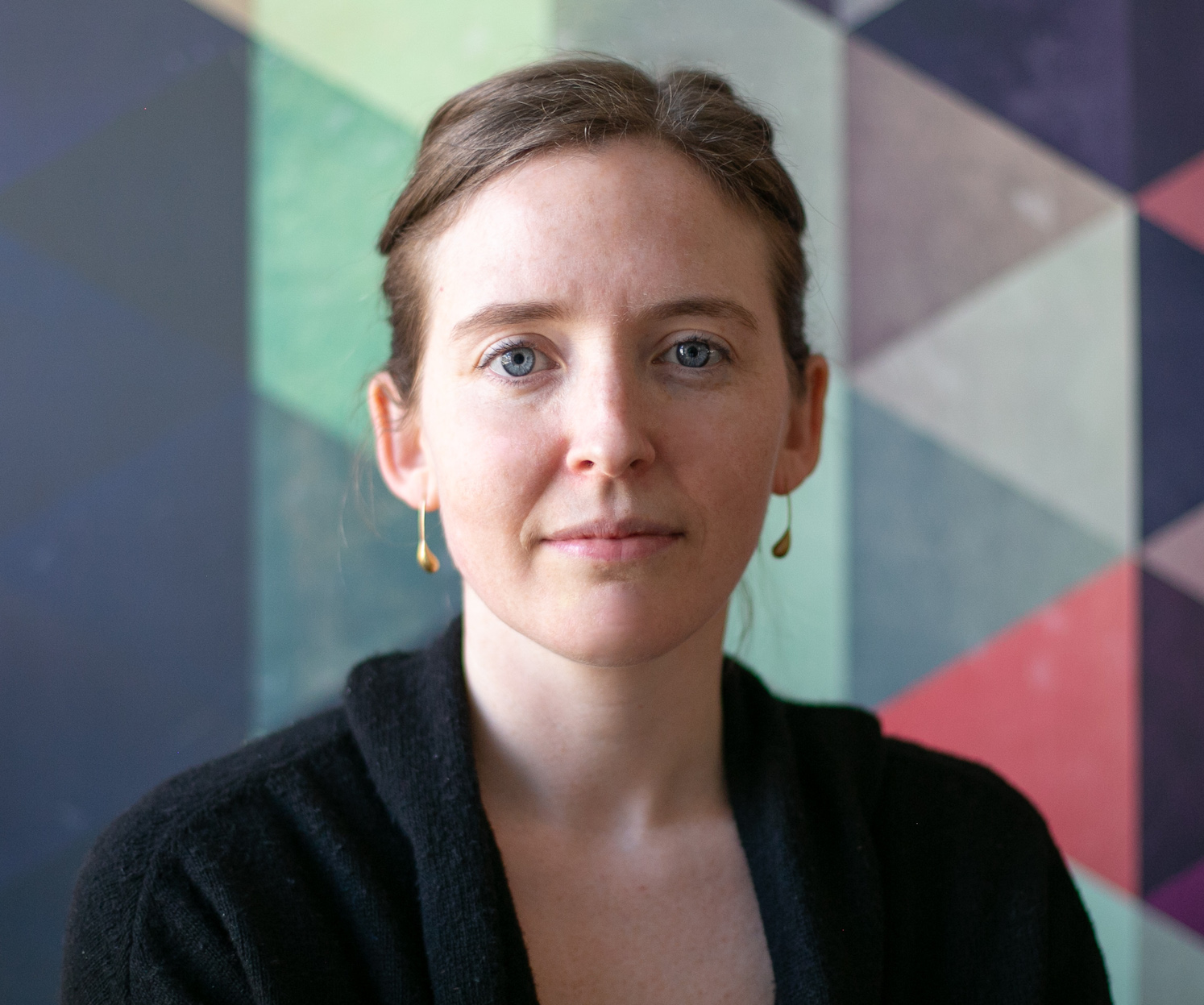
Caitlin Taylor, RA
Design Director
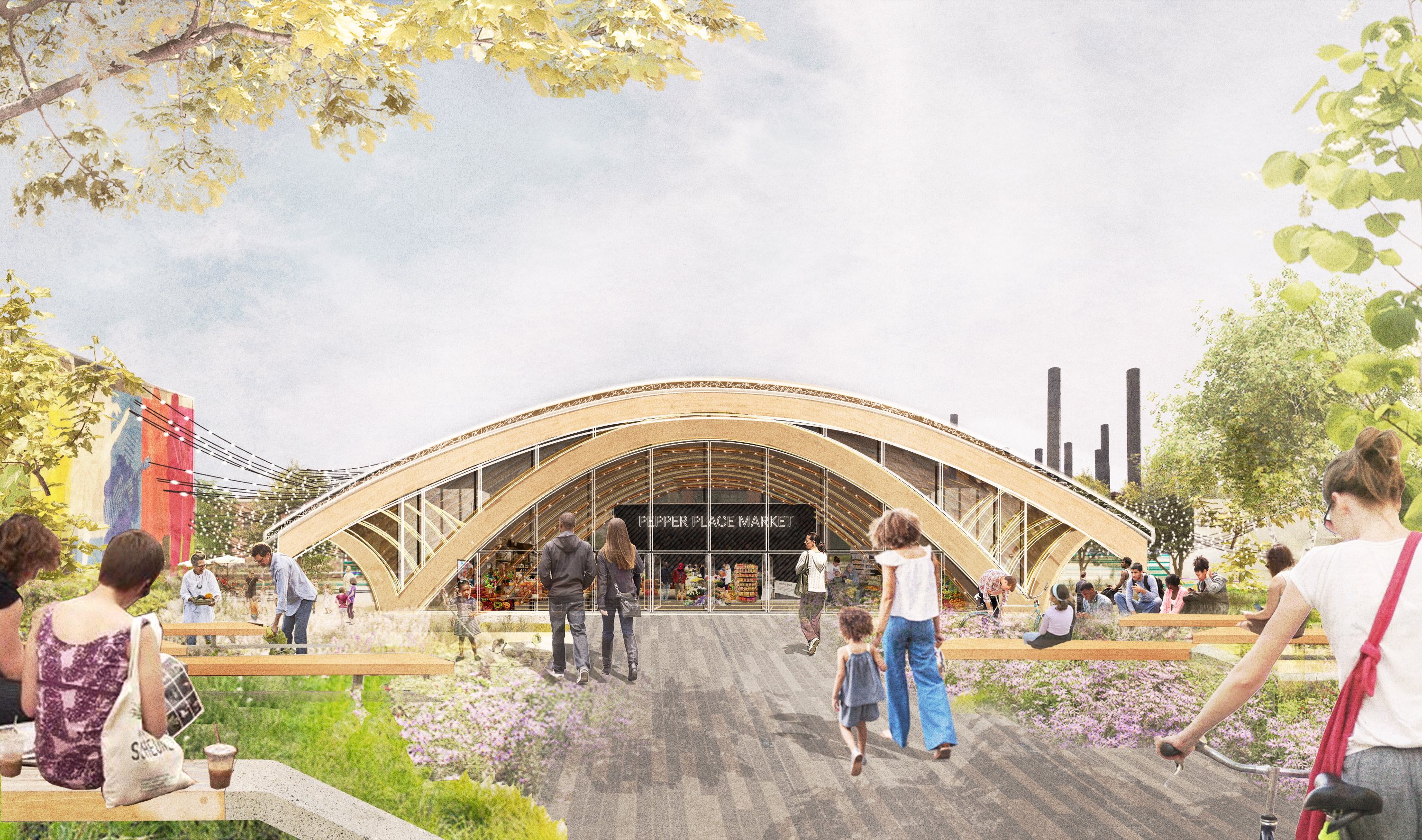
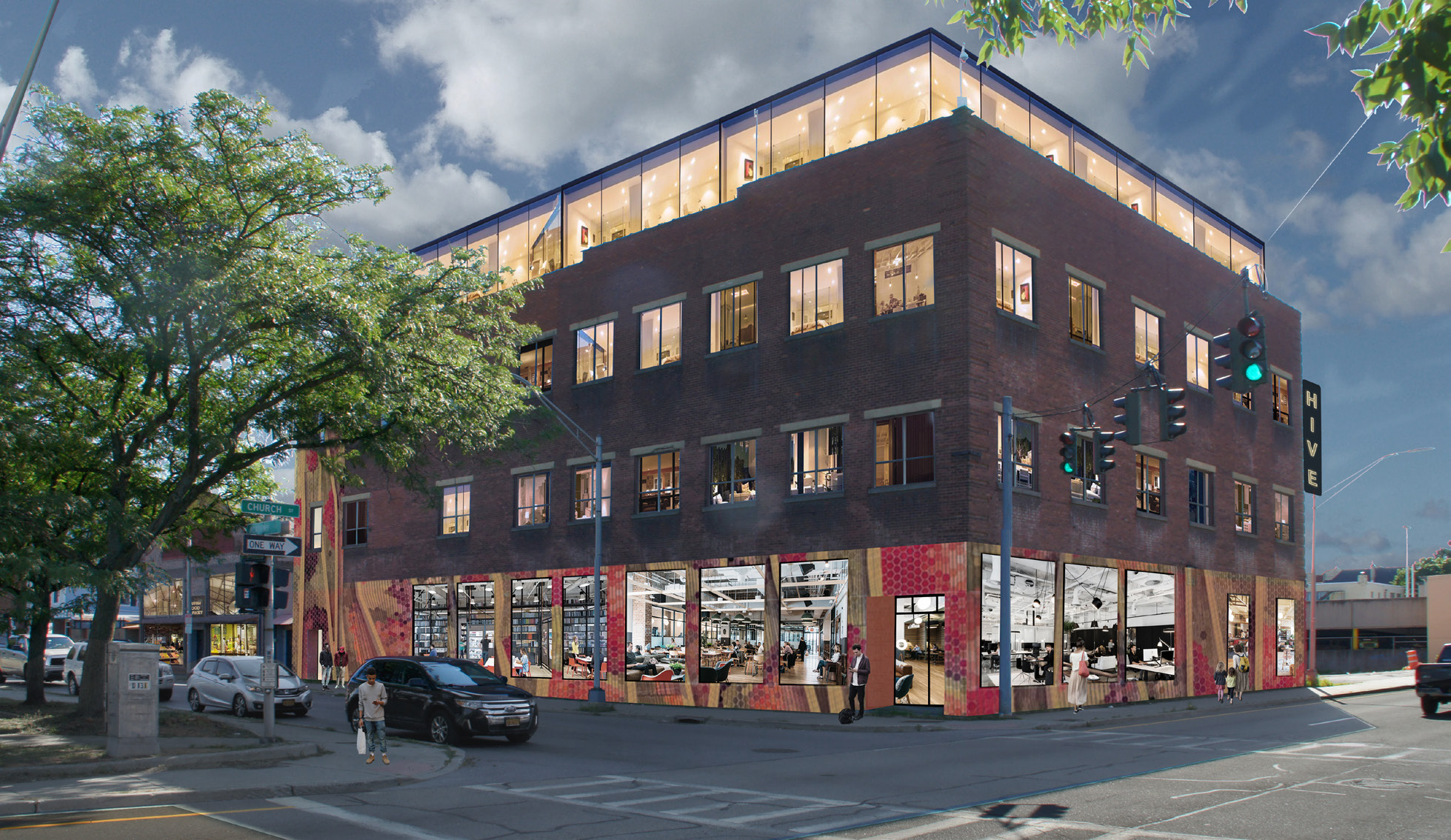
Caitlin joined MASS in 2018 as an architect with a background in food and farming; she brings to the firm an interdisciplinary focus on environmental, economic, and social justice in the food system. She directs the Food System Design Lab at MASS, and is leading projects around the country including the Stone Barns Center for Food & Agriculture, the Poughkeepsie Public Market, and the Pepper Place Pavilion.
Caitlin lives with her family in East Haddam, Connecticut, where they own and operate an organic vegetable and cut flower farm. She has taught advanced architecture studios at the Yale School of Architecture, Columbia GSAPP, and Cornell AAP, and previously worked at firms in New York City and Connecticut.
Her previous work on urban flood control in Las Vegas was awarded the Holcim Foundation for Sustainable Construction Gold Prize. Caitlin studied biochemistry at Wesleyan University and received her Masters of Architecture from Yale School of Architecture, where she received the Henry Adams Medal. She is a registered architect with licenses in Connecticut and Massachusetts.

Sierra Bainbridge, RLA
Senior Principal & Managing Director
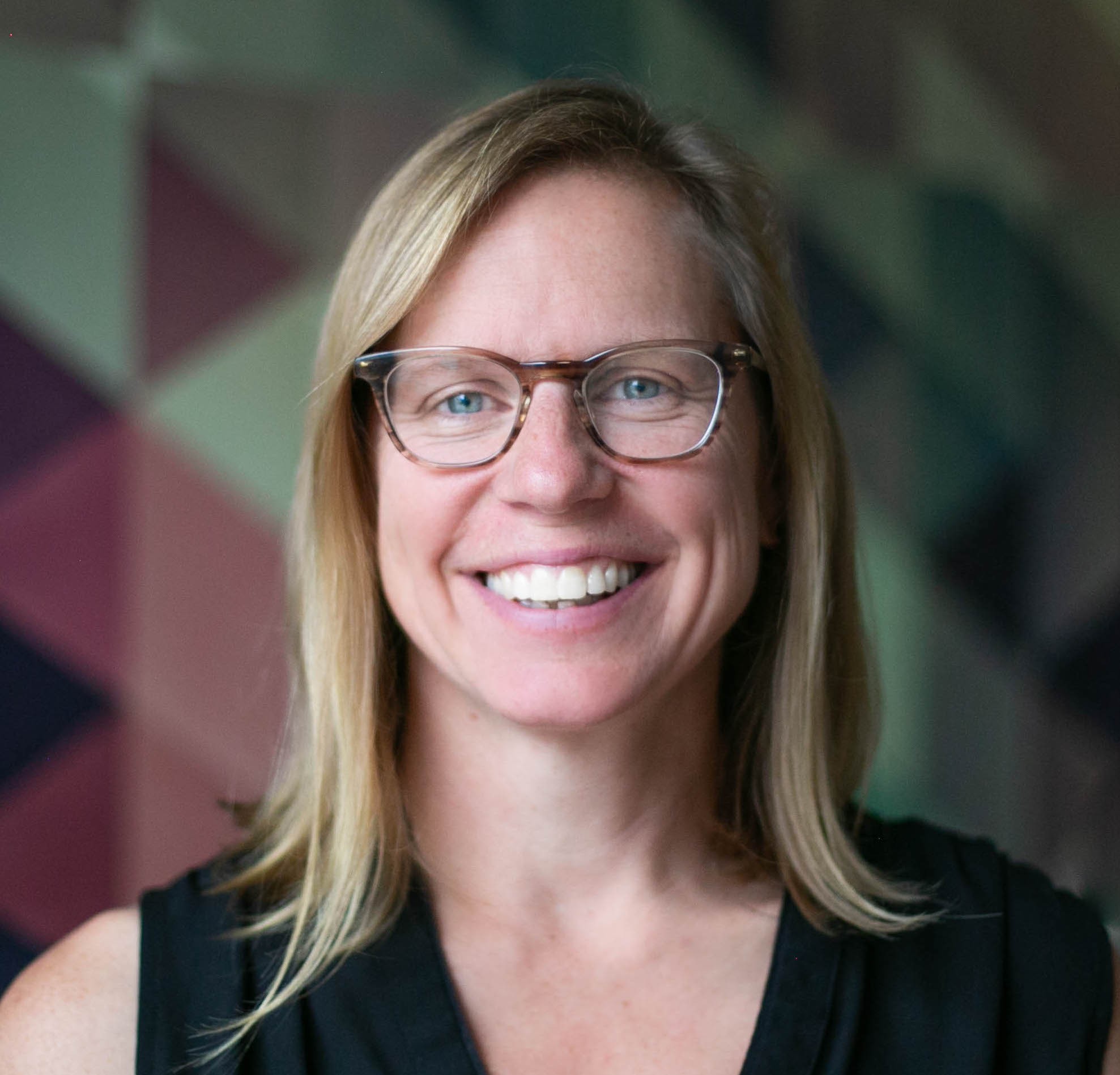
Sierra Bainbridge, RLA
Senior Principal & Managing Director — Boston
"I believe that every project is an opportunity to create a movement. To inspire this momentum, we must be one with the community, and together, go beyond the bare minimum."
Sierra began work with MASS in 2008 focusing on landscape architecture and joined full time in 2009 to finalize design and oversee implementation of the Butaro Hospital, MASS’s first project. Currently Sierra directs the ongoing design and implementation of MASS’s planning and architectural projects and is currently overseeing The Kayanja Center, an academic facility supporting rural health care delivery and research in Uganda, a number of African Conservation Schools in DRC, Tanzania, Zambia, and Rwanda, and the Butaro Hospital Expansion Plan, among others. Those completed include Butaro Hospital, the Umubano Primary School, the Butaro Doctors’ Housing, and the Butaro Ambulatory Cancer Center.
Prior to joining MASS, Sierra worked for four years at James Corner Field Operations, primarily in design and oversight of implementation of Section 1 of the New York City High Line. Sierra has taught graduate level studios at various universities and from 2010-2012, Sierra served as Head of the Architecture Department at the Kigali Institute of Science and Technology (KIST) in Rwanda. At KIST, Sierra was instrumental in shaping the current curriculum. She is invited to speak regularly, including the keynote address at the Healthcare Design Conference, serving as a Sasaki Distinguished Visiting Critic at the Boston Architectural College, and lecturing at the Carter ‘Lectures In African Studies’ series, the University of Pennsylvania, Harvard University, University of Toronto, and the American Institute of Architects, among others. Select features of Sierra’s work with MASS Design Group include A+U Magazine, Lotus, Mark Magazine, and Detail.
Sierra received her Bachelors of Arts in Art and Architectural History from Smith College and her Masters of Landscape Architecture and Masters of Architecture from the University of Pennsylvania.
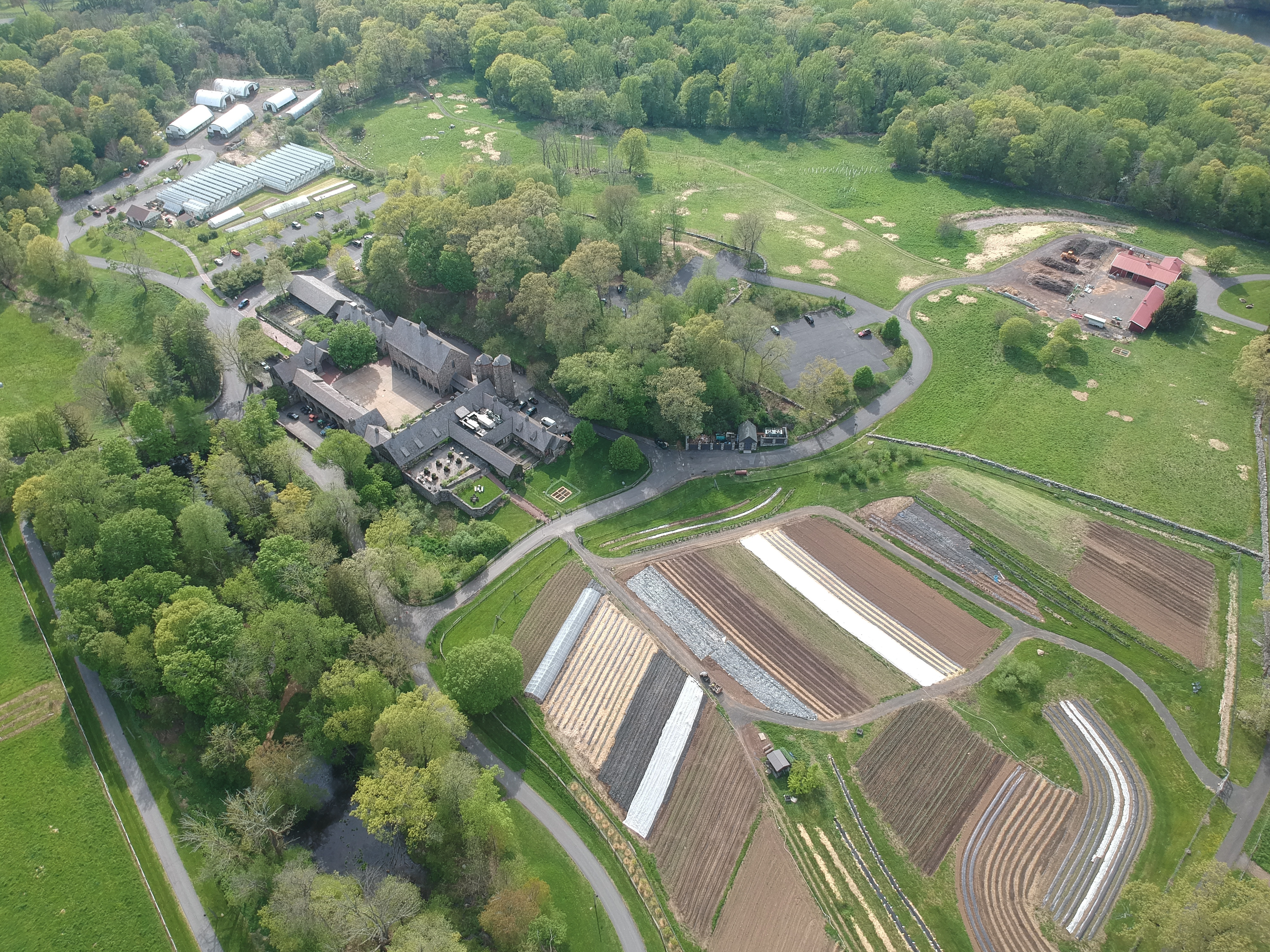
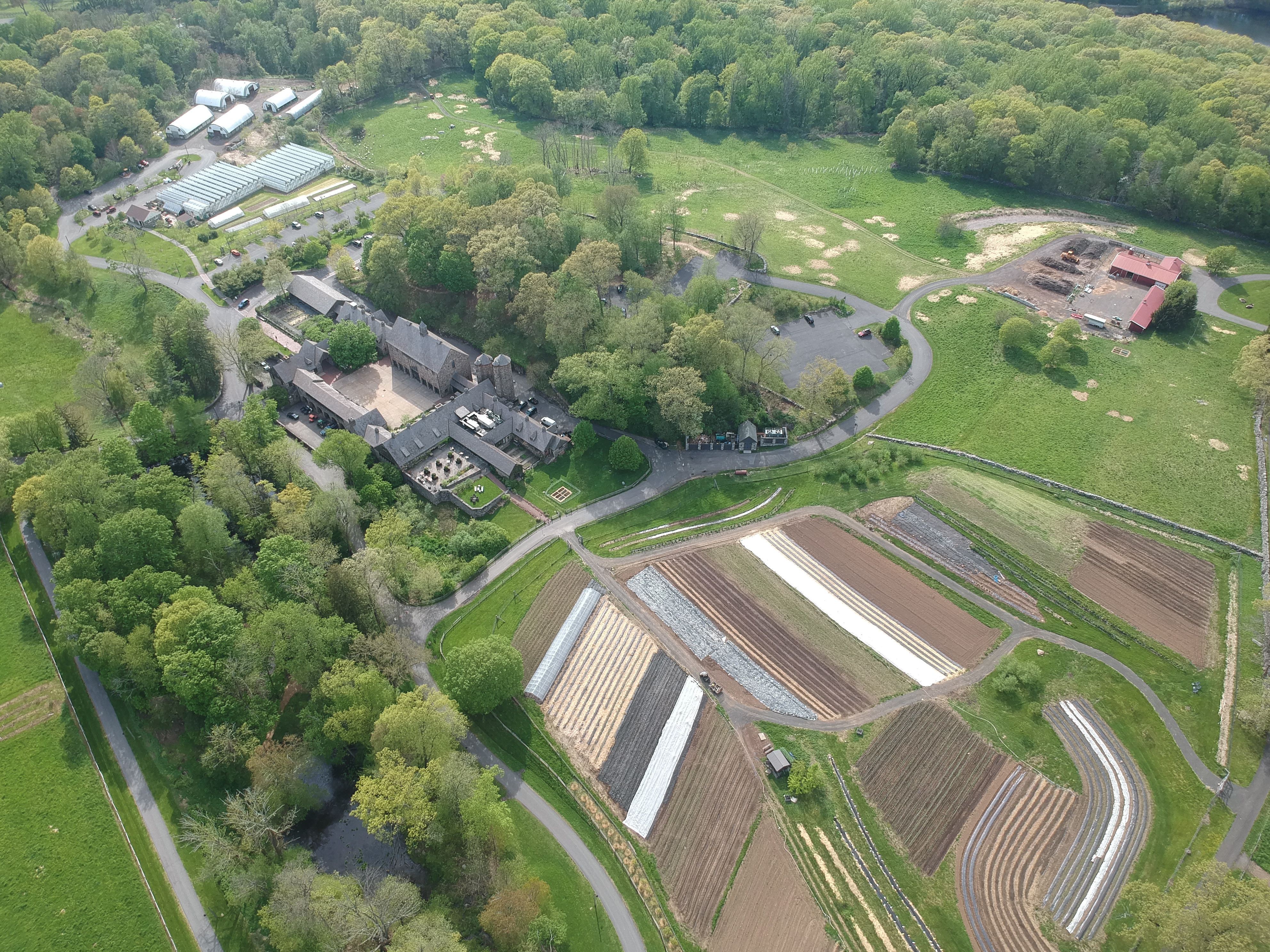
Stone Barns Center for Food & Agriculture
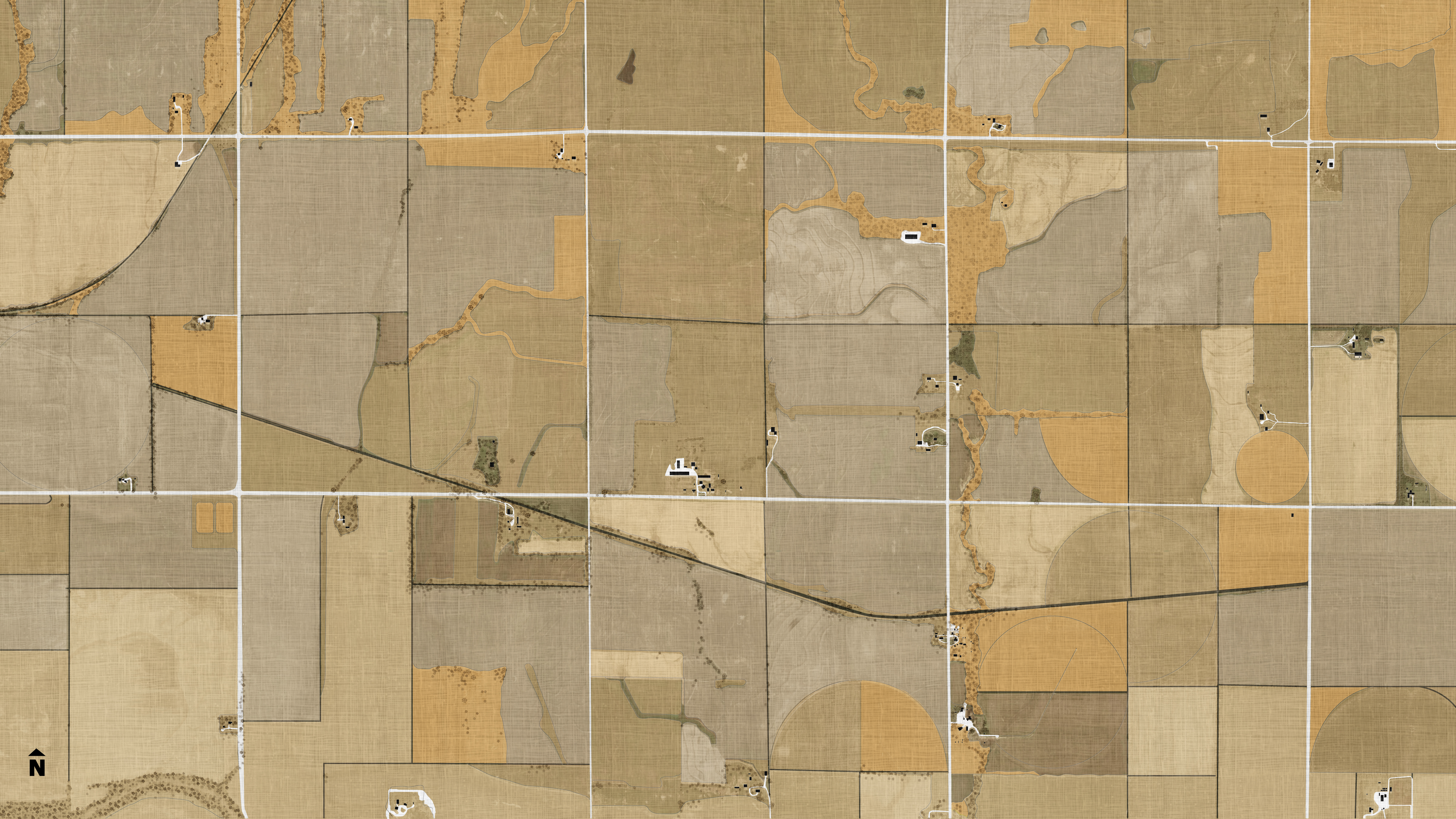
The food system is the world’s largest industry, with over one billion people engaged in the production, transportation, processing, and preparation of food every day. The resources required to sustain this system are vast: food production consumes over 50% of the planet’s habitable land surface and 70% of its freshwater, and is one of the top contributors to ever-increasing emissions. Ecologically, economically, culturally, politically, and historically, food shapes the world around us.
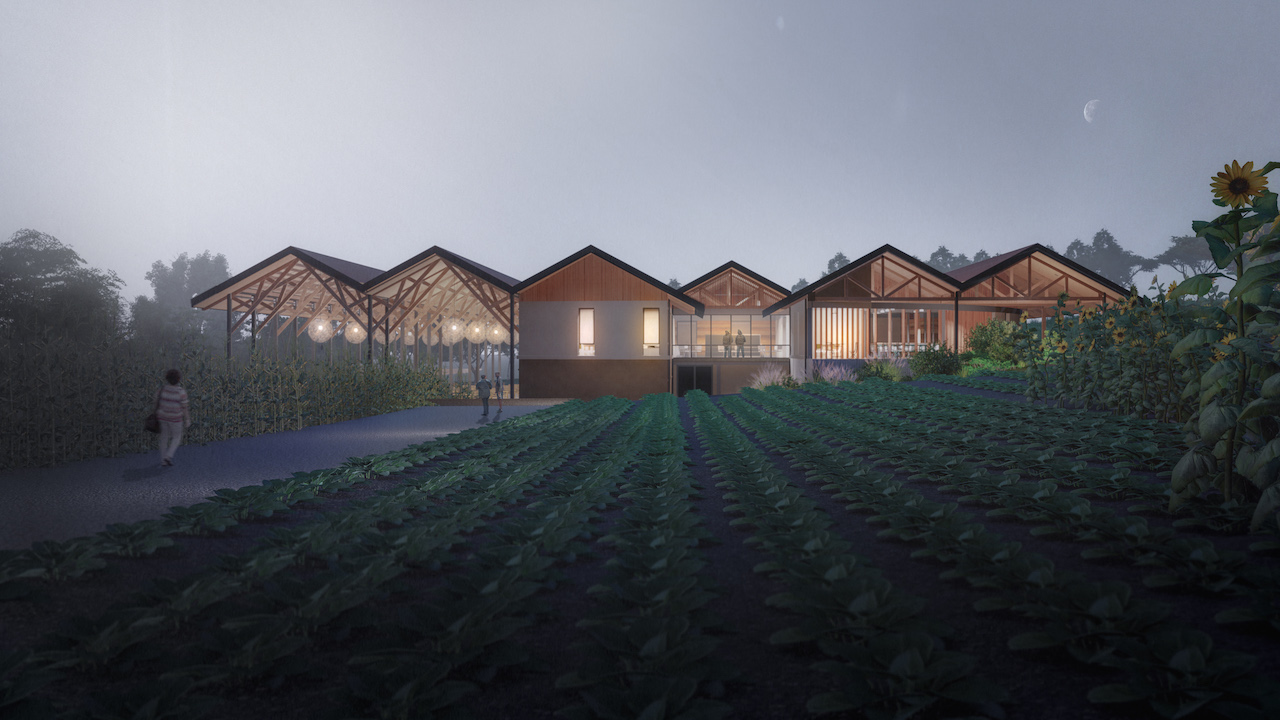
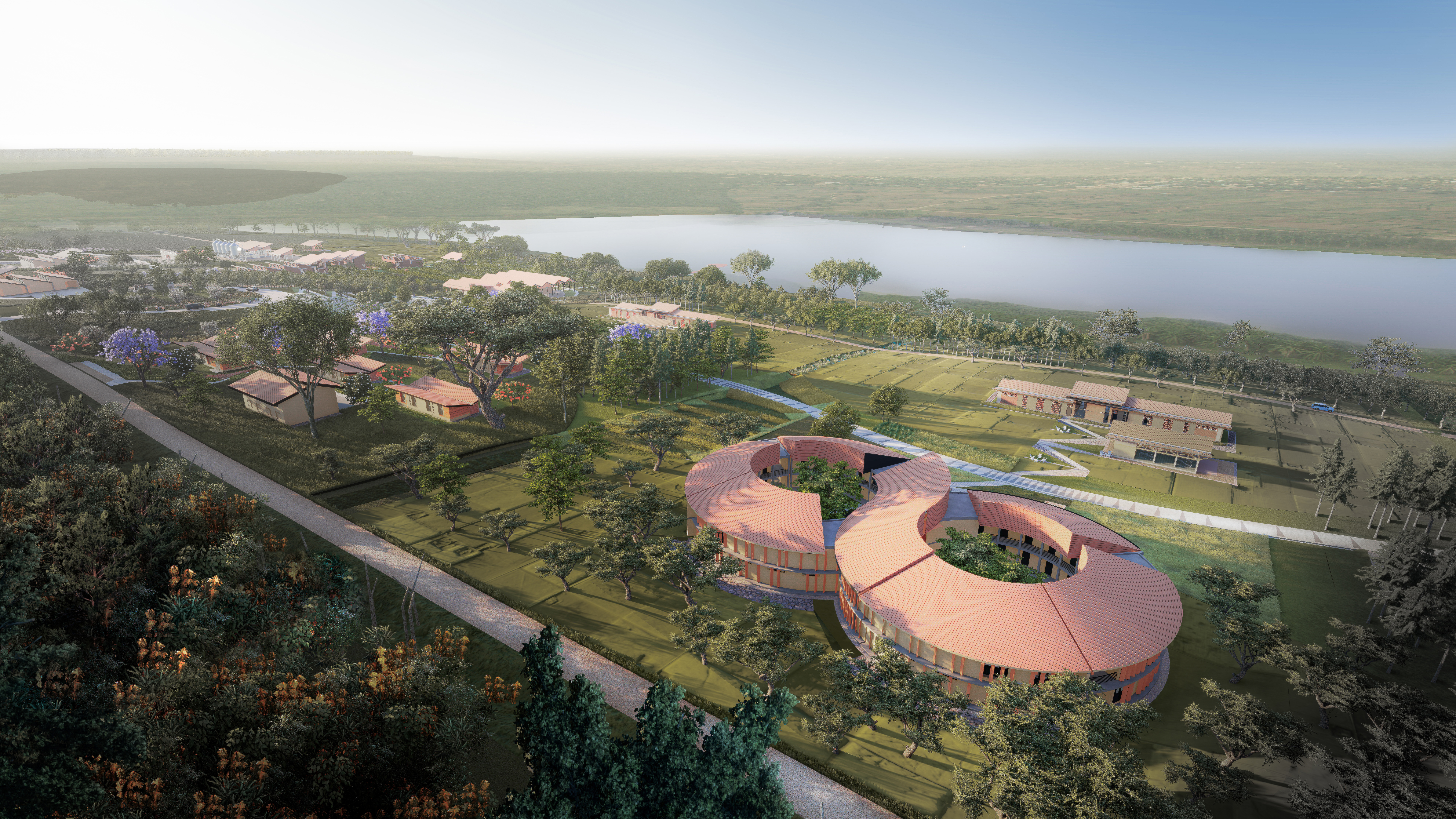
Rwanda Institute for Conservation Agriculture
The current state of our globalized food system is strikingly fragile, built on an unsustainable base of industrial-scale monoculture and fueled by systemic injustice and environmental degradation. Optimized to value efficiency and profit, the infrastructure built to support the production and consumption of food manufactures scarcity and manipulates surplus at a global scale. Meanwhile, our daily habits of consumption are disassociated from the meaning of what and how we eat. As climate change accelerates, a radical redesigning of the system and the infrastructure that sustains it is necessary.
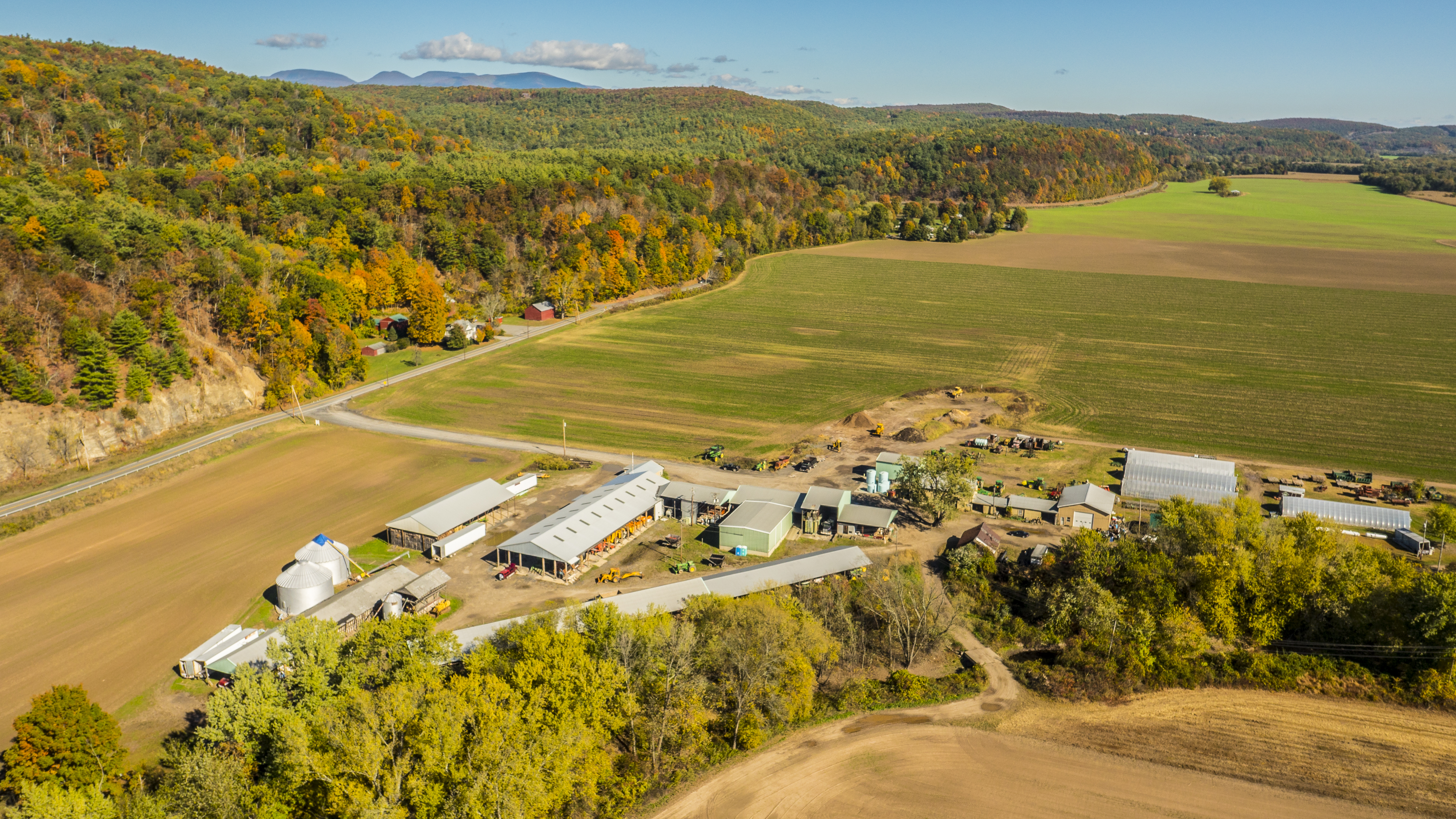
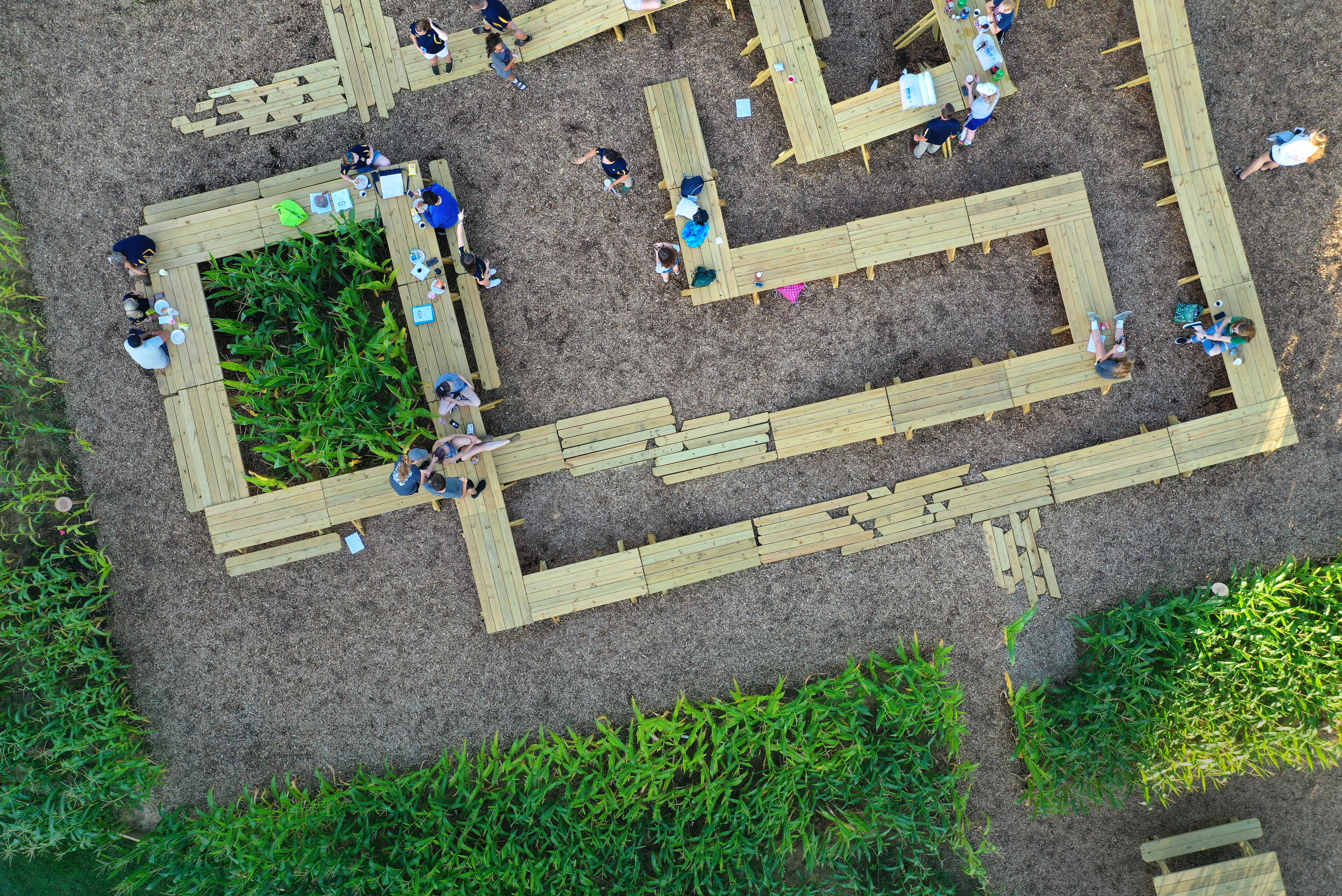
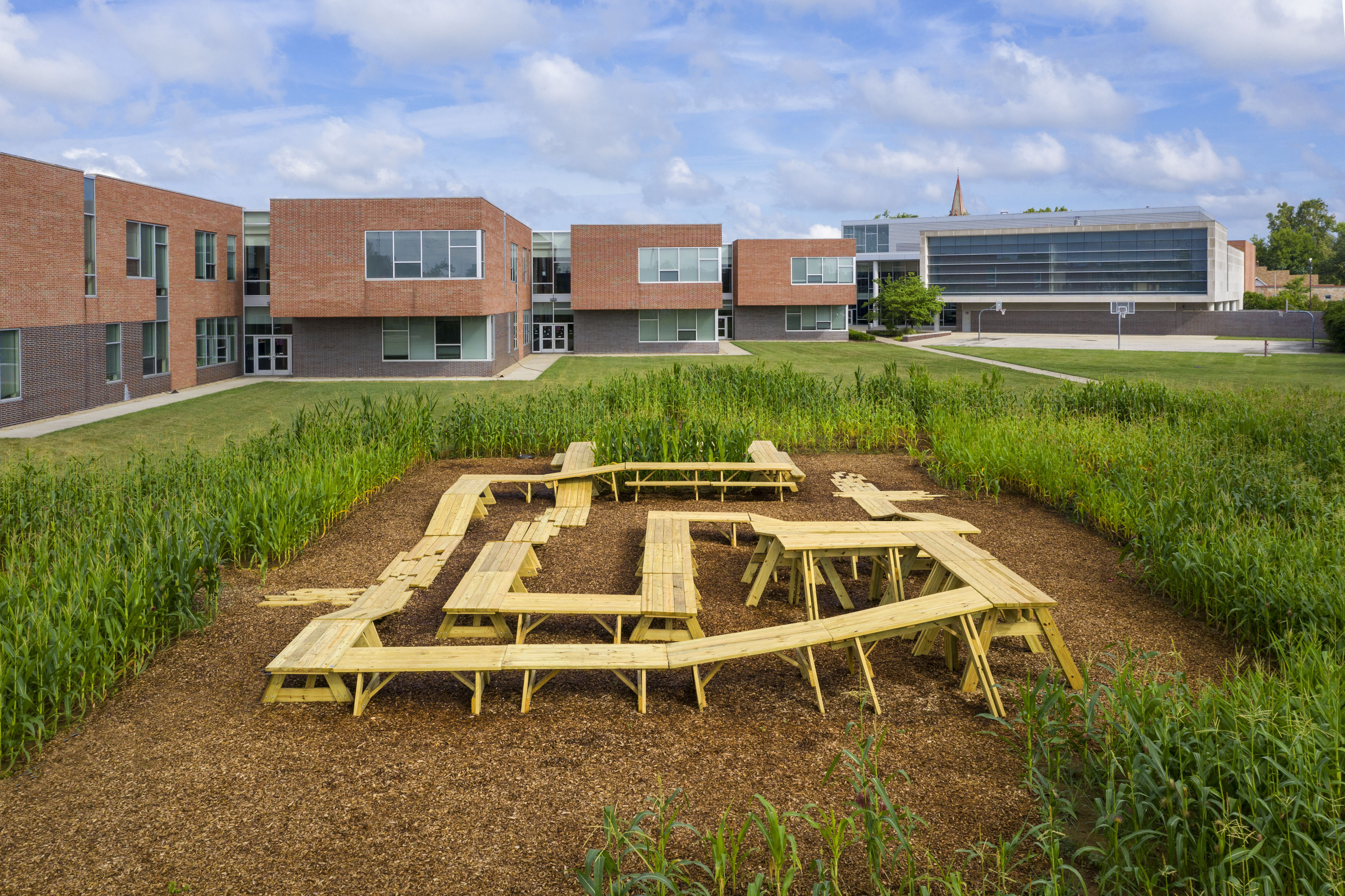
Ongoing Projects and Partnerships include the Hudson Valley Farm Hub, the Good Shepherd Conservancy, Brigaid, Poughkeepsie Food Hall, Rwanda Institute for Conservation Agriculture, and Corn / Meal.