How can spatializing memory support healing and inspire collective action for generations to come?
Lab Leadership

Jha D Amazi
Principal
Jha D Amazi
Principal — Boston
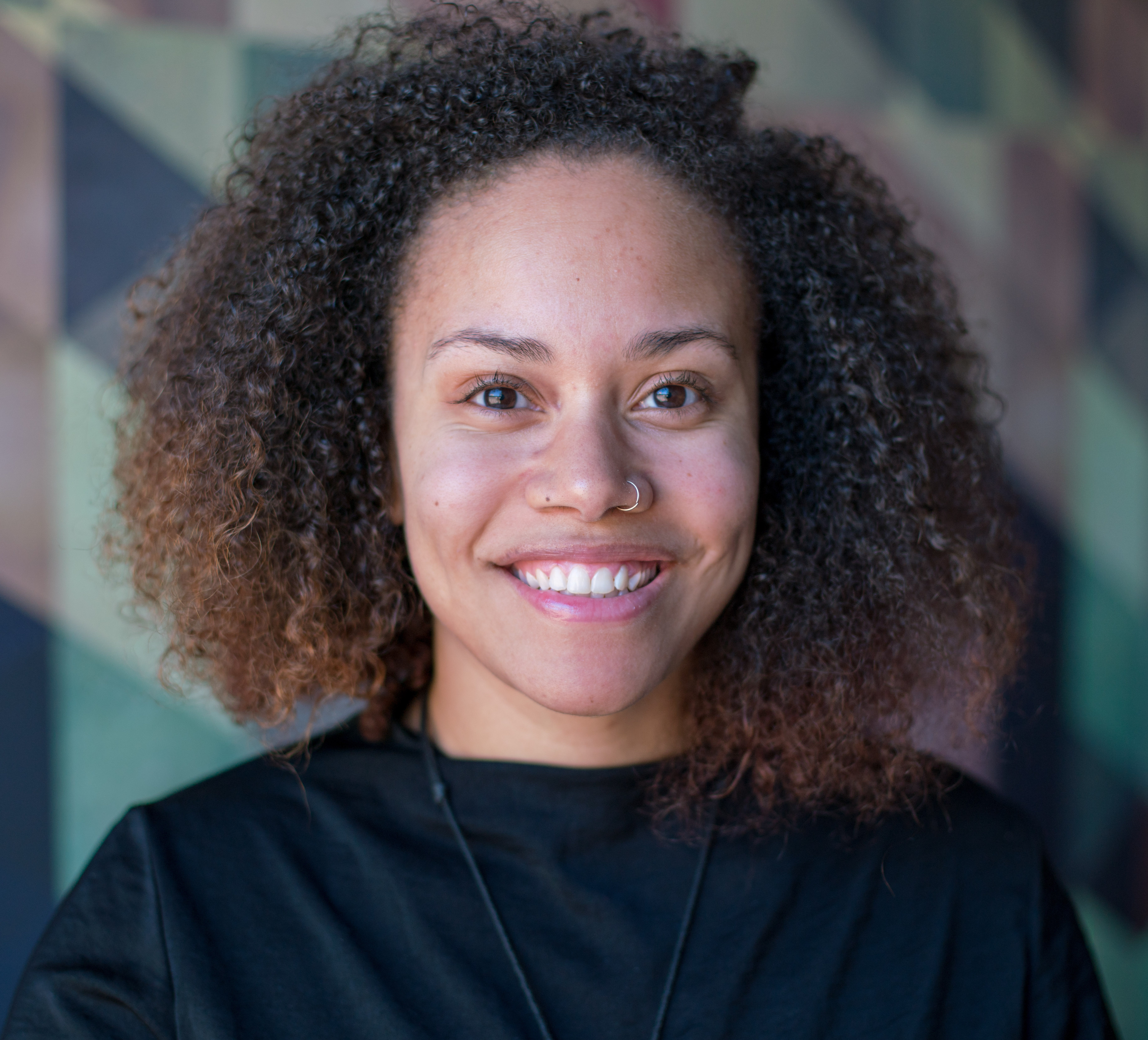
Jha D is the Director of the Public Memory and Memorials Lab which is an initiative that advances research, training, and built work around a central thesis: spatializing memory can heal us and inspire collective action for generations to come. Projects in the Lab’s portfolio include the Sugar Land 95 Cemetery Revitalization Project, Harris County Remembrance Project and several initiatives with the National Trust for Historic Preservation.
At MASS, Jha D has also contributed to the Gun Violence Memorial Project, Franklin Park Action Plan, and the Louise B. Miller Memorial and Freedom Garden at Gallaudet University. Previously, she worked as a Designer at Sasaki Associates. She received her Bachelor of Science in Architecture from Northeastern University and her Master of Architecture I from the University of Pennsylvania.
Prior to pursuing her graduate degree, she taught design studios at the Boston Architectural College. Outside of architecture, Jha D is a spoken word artist, event producer, and SpaceMaker for the LGBTQ+ communities of color.

Michael Murphy
Founding Principal & CEO
Michael Murphy
Founding Principal & CEO — Boston
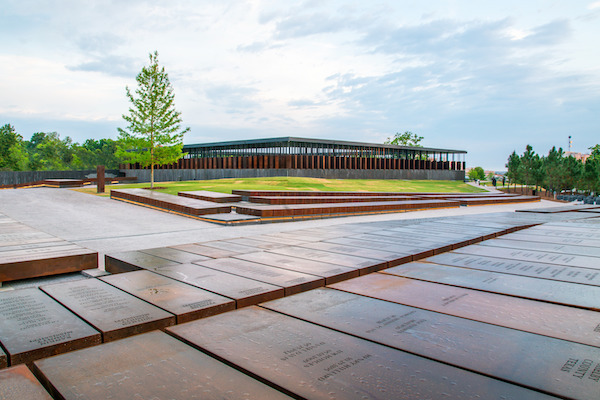
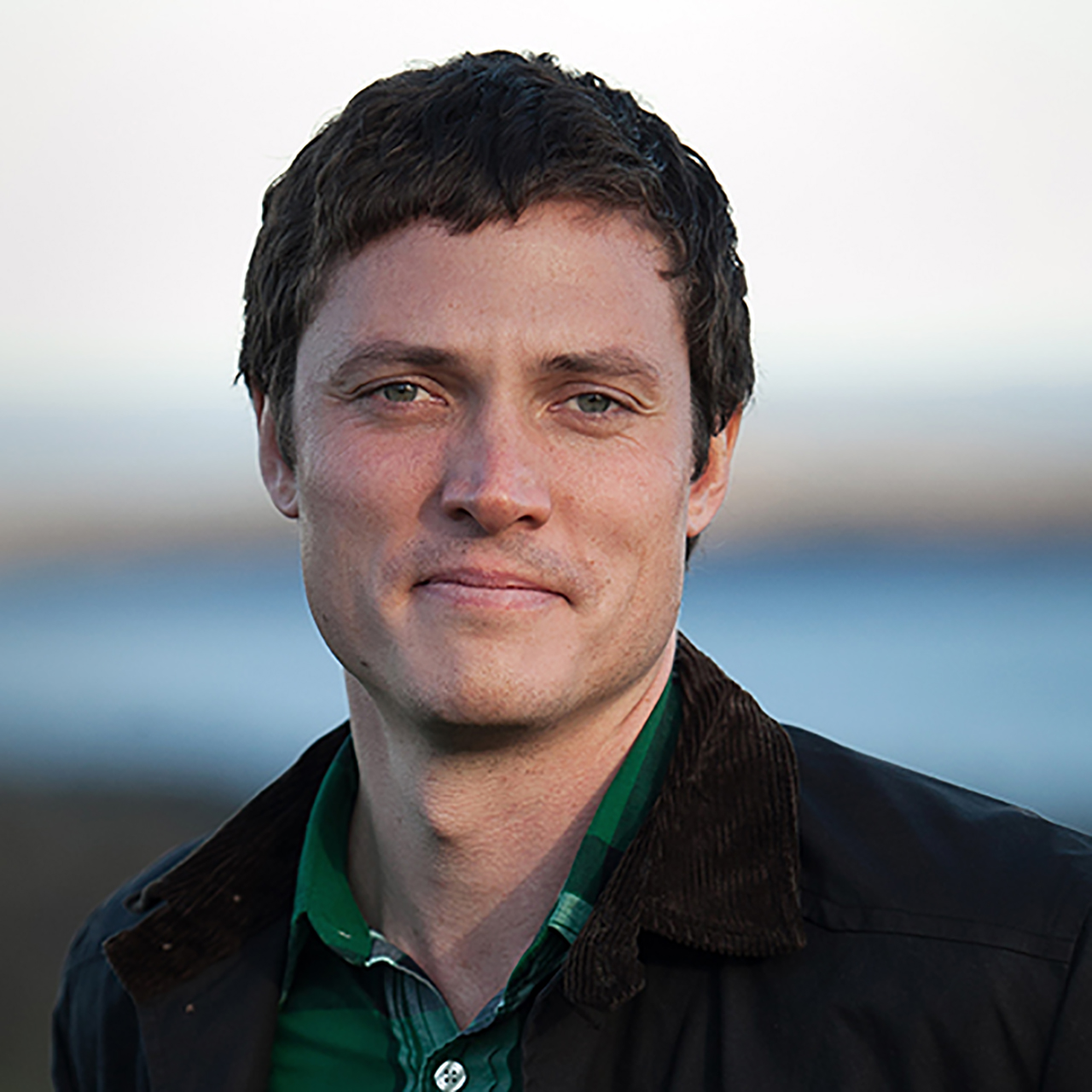
Michael Murphy, Int FRIBA, is the Founding Principal and Executive Director of MASS Design Group, an architecture and design collective that leverages buildings, as well as the design and construction process, to become catalysts for economic growth, social change, and justice. Since MASS's beginnings, their portfolio of work has expanded to over a dozen countries and span the areas of healthcare, education, housing, urban development. MASS’s work has been published in over 900 publications and awarded globally. Most recently, MASS has been recognized as the winners of the national Arts and Letters Award for 2017 and the 2017 Cooper Hewitt National Design Award. Michael’s 2016 TED talk has reached over a million views, and was awarded the Al Filipov Medal for Peace and Justice in 2017. MASS's project, the National Memorial for Peace and Justice was named the single greatest work of American architecture in the 21st century. Michael has taught at the Harvard Graduate School of Design, University of Michigan, and Columbia University’s Graduate School of Architecture Planning and Preservation. Michael is from Poughkeepsie, NY, and holds a Master of Architecture from Harvard Graduate School of Design and a Bachelor of Arts from the University of Chicago.
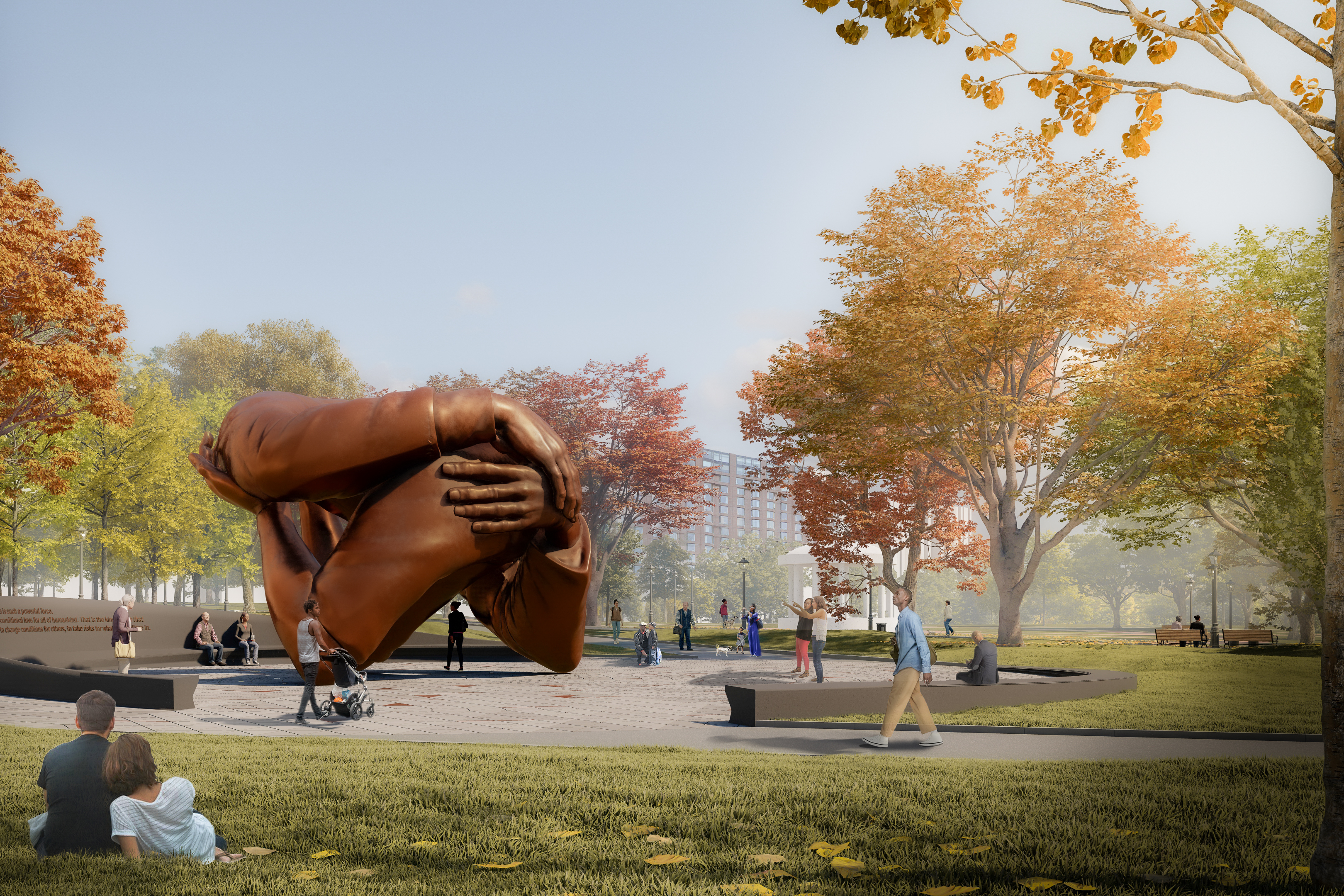
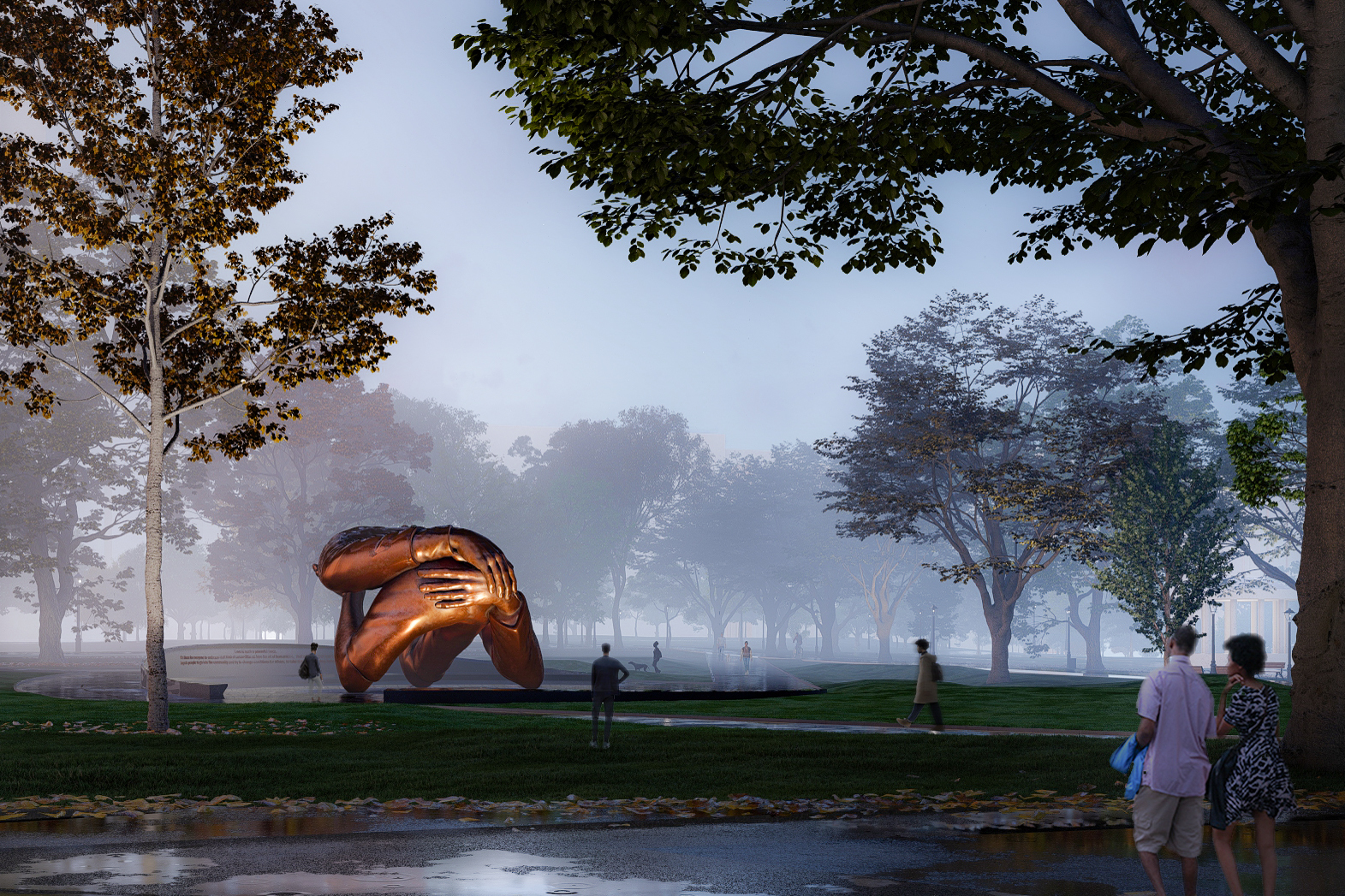
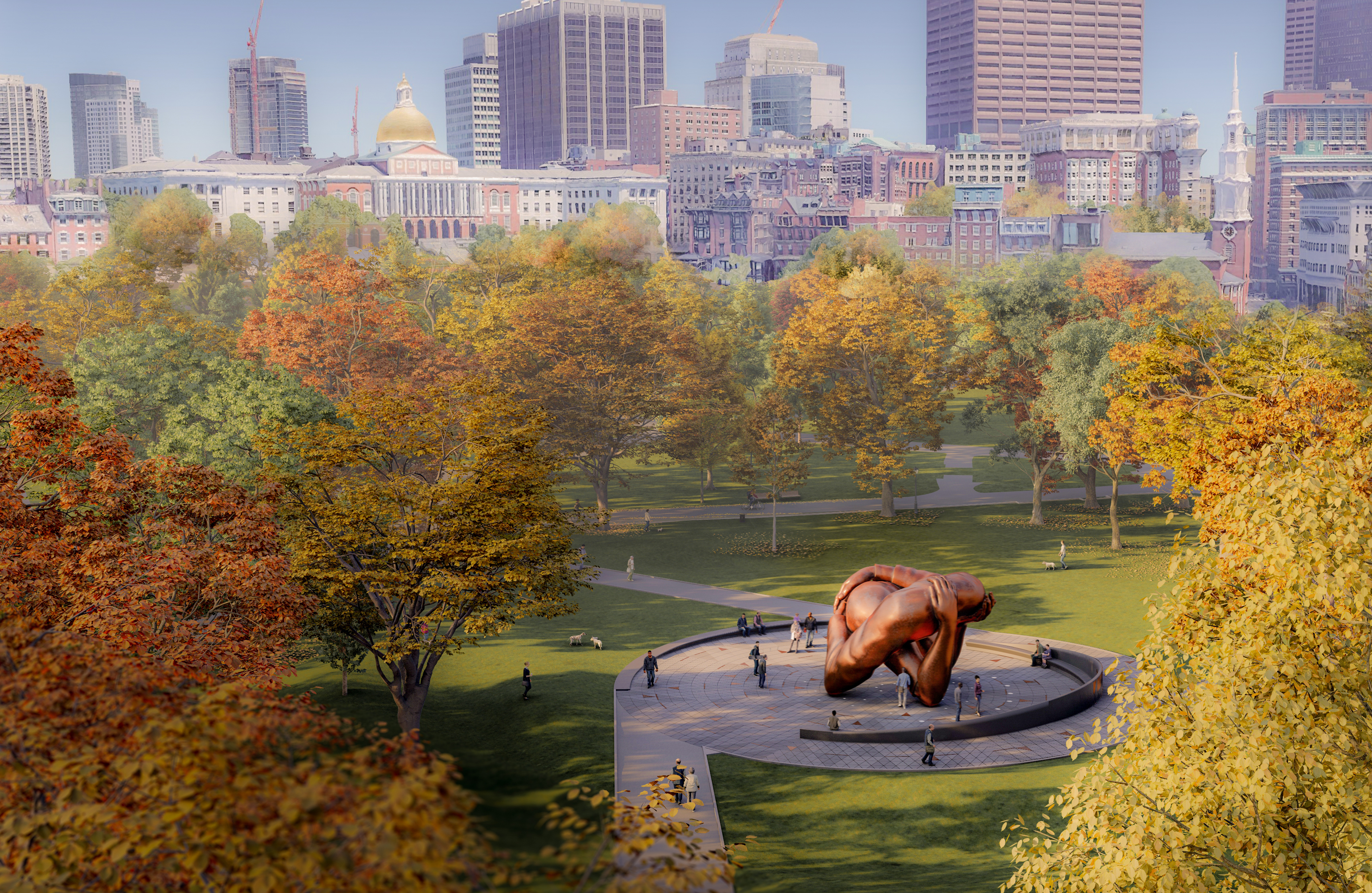
"The Embrace" Memorial. Rendering produced using Lumion.
We are at a pivotal point in our society that calls for heightened attention toward the transformative impact of monuments and memorials. Worldwide, memory and history in built form—memorials, monuments, museums, street names, plaques, historic preservation markers—carry a responsibility to communicate complex histories and provide spaces for healing. The construction of public memory lends weight to particular narratives, bringing us to ask: Who or what is deemed important? Whose voices are we hearing, and who is left out?
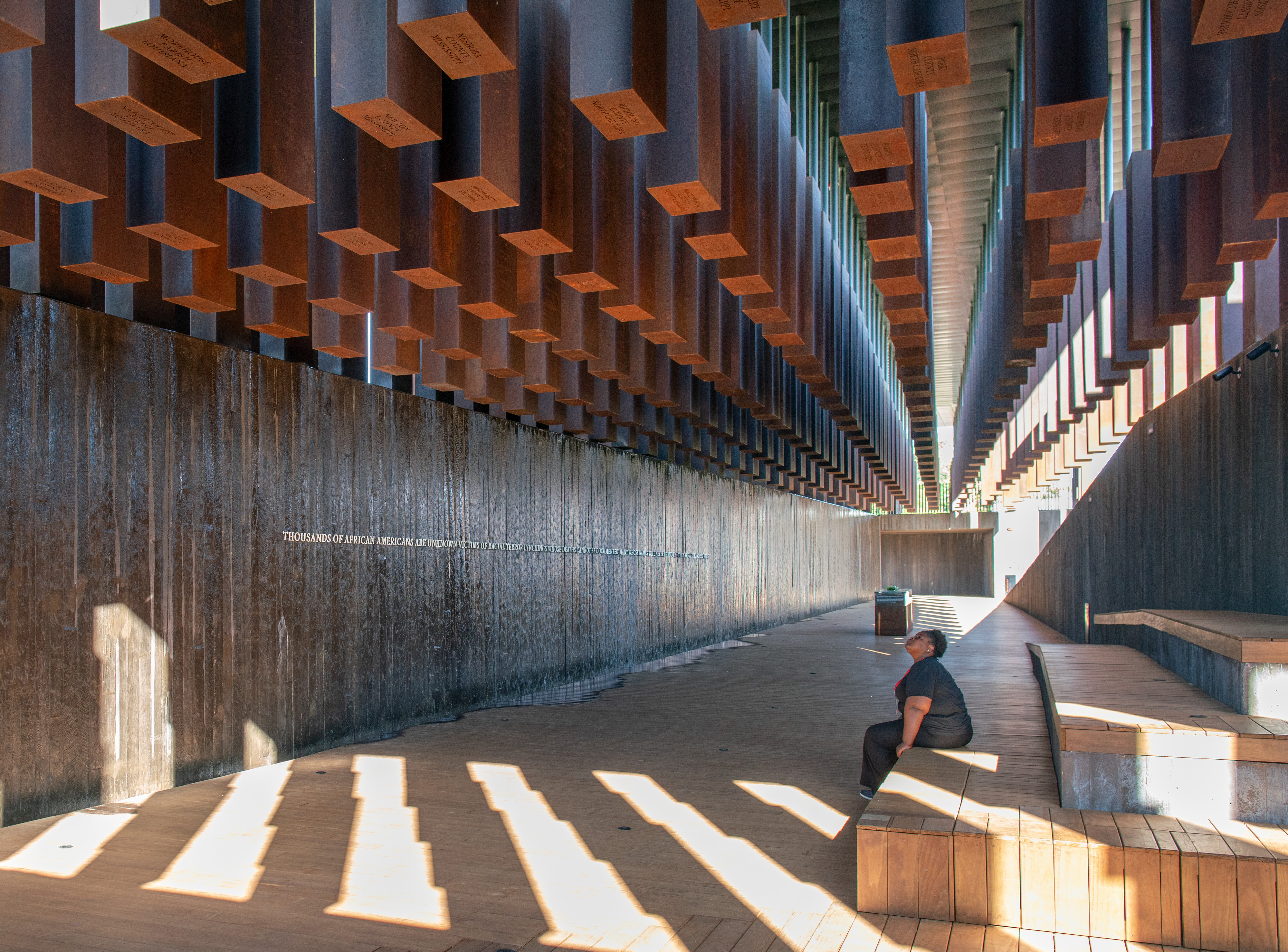
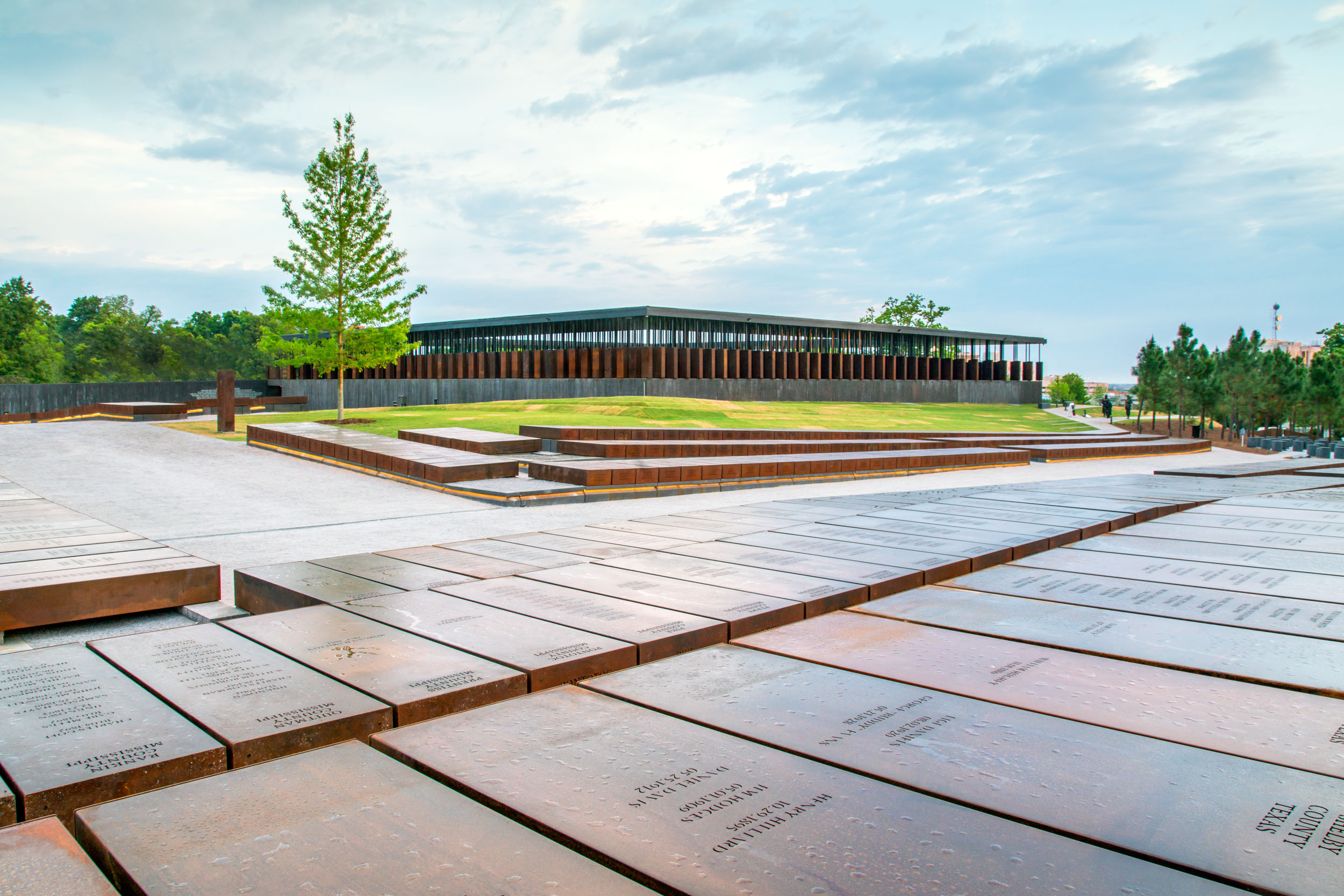
The National Memorial for Peace and Justice
Over the past decade, we have worked with partners in the US and across the globe on a number of projects that explore new ways to shift narratives, serve as a catalyst for truth-telling, and advance collective healing through the built environment. In 2020, we established the Public Memory and Memorials Lab at MASS, an initiative that advances research, training, and built work around a central thesis: spatializing memory can heal us and inspire collective action for generations to come.
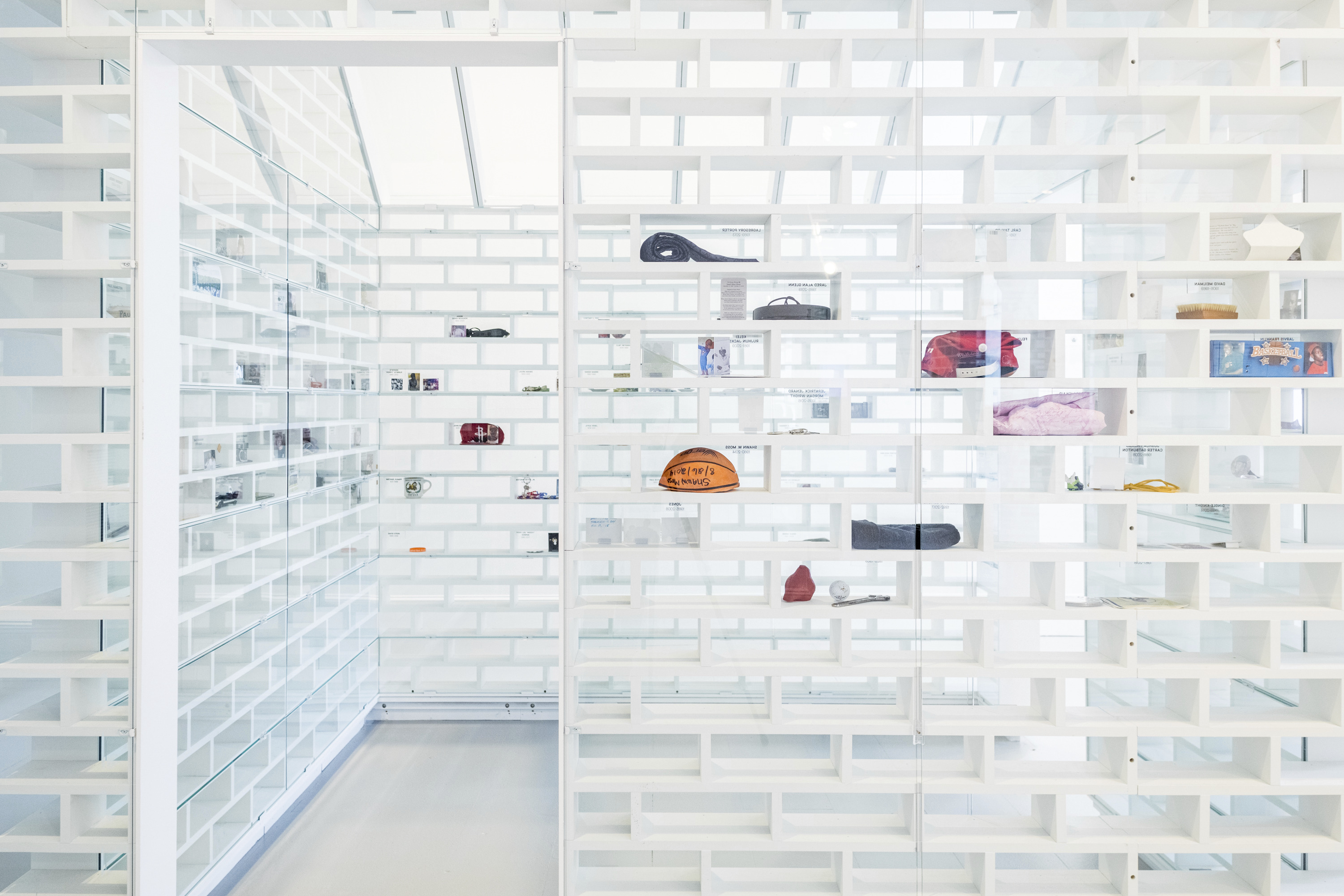
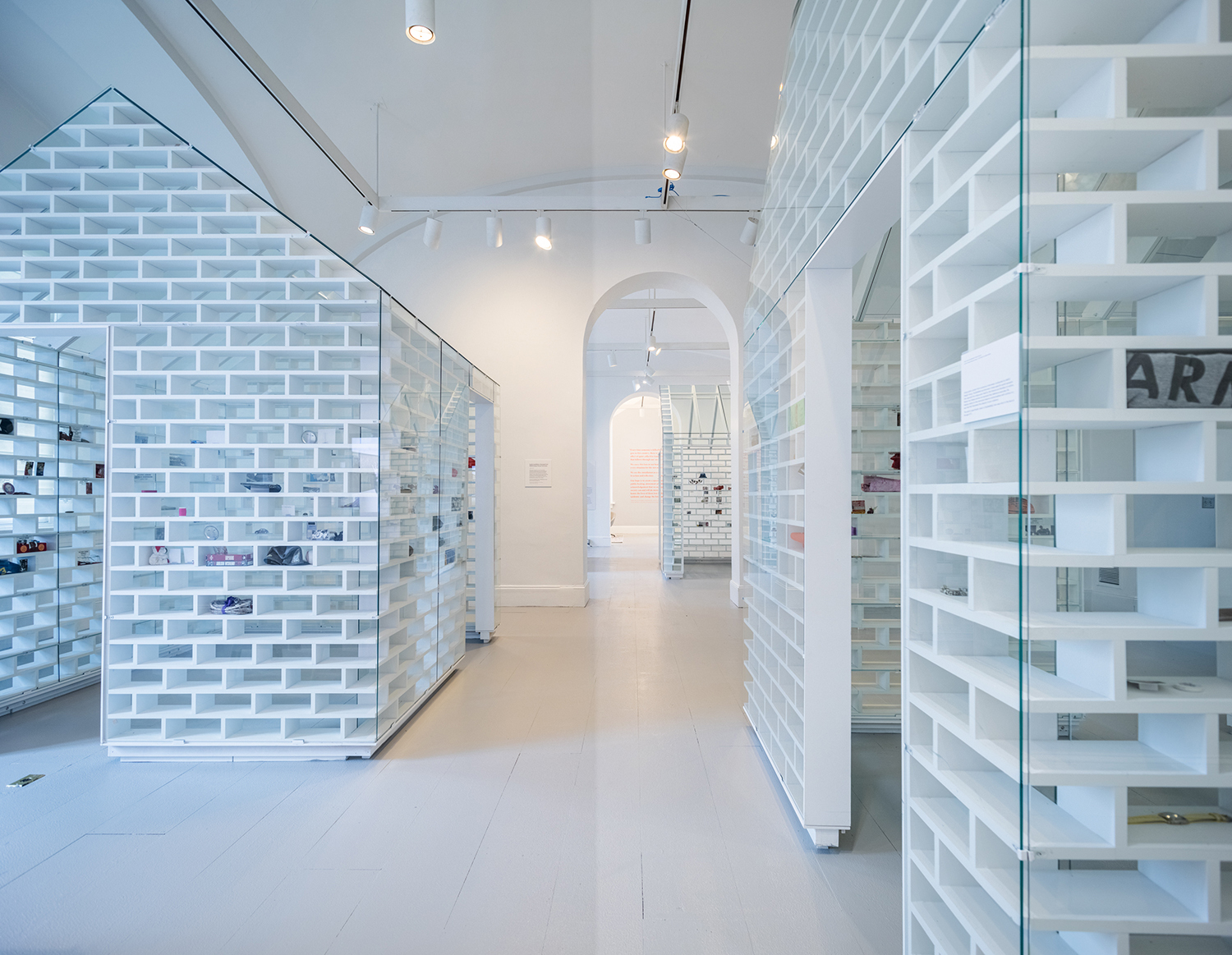
© National Building Museum / Elman Studio LLC
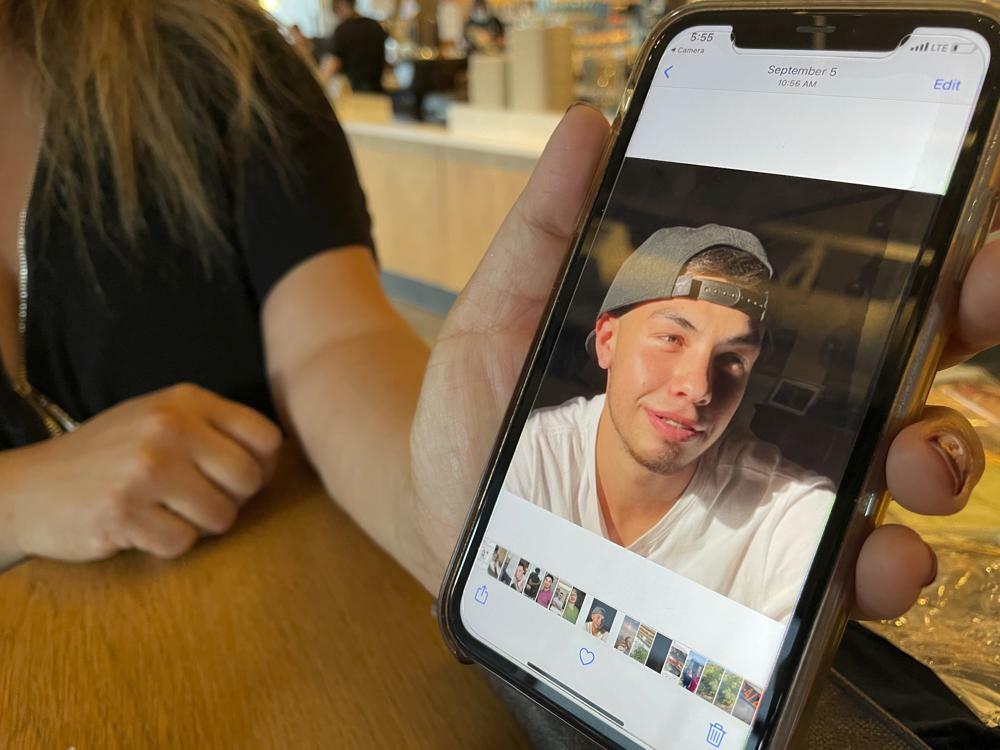
Select ongoing projects and partnerships include: The National Memorial for Peace and Justice, The Gun Violence Memorial Project, and “The Embrace.”