How can design catalyze investment in small American cities on the fringe between urban and rural?
Lab Leadership

Justin Brown, AIA, LEED AP
Principal
Justin Brown, AIA, LEED AP
Principal — Poughkeepsie
Justin is a co-founder and Principal at MASS focused on expanding architectural work in the U.S. He leads the Hudson Valley Office in Poughkeepsie, NY and is dedicated to the growth of MASS’s Social Justice and Adaptive Re-use portfolios. He was the Project Architect for the Equal Justice Initiative’s National Memorial for Peace and Justice and founder of the Fringe Cities Design Lab, which researches vulnerable American cities and follows community-engaged design practices to unlock upstream capital to transform liabilities into assets.
Prior to MASS, Justin has led award winning projects at Gensler in Washington DC, Perez APC in New Orleans, and Toshiko Mori Architect in New York. He has guest lectured in seminars at Harvard Graduate School of Design, MIT School of Architecture and Planning, University of Toronto, and Dartmouth College. He holds a Master in Architecture from Harvard University and a Bachelor of Arts in Architecture from the University of Pennsylvania.

Chris Kroner
Principal
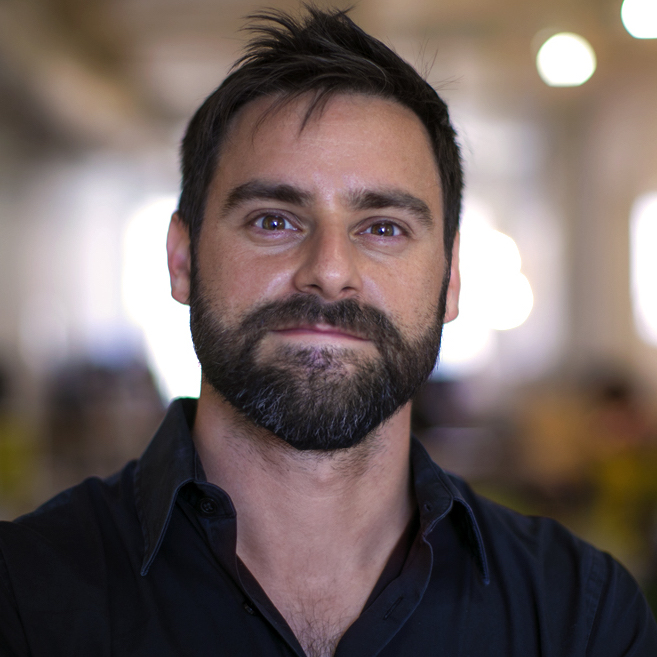
Chris Kroner
Principal — Poughkeepsie
Chris joined MASS to co-found the Hudson Valley Design Lab in Poughkeepsie NY in 2017. As a committed architecture and urban design educator, he moved to the Hudson Valley to convert his teaching into practice as a revolutionary and immersive model of listening and engagement. The design lab has become a thinktank for pioneering community design practice in American "Fringe Cities.” He sees architecture and design as a daily practice of outreach, showcasing adaptive reuse and new buildings both as coalition building methods to boundary span across multiple interests and regenerate city fabric. In addition to directing design projects, he leads all Poughkeepsie based community outreach work, serves as a design consultant to the Poughkeepsie Planning Board, and volunteers on a number of community and regional coalitions.
Prior to working at MASS Design Group's Hudson Valley Office, Chris has a career in award-winning architectural design practice, spending a decade as an associate partner with Dean/Wolf Architects where he conducted a series of award-winning projects in all stages of design and construction. “Restless Response: Emergency Medical Station 50” at Queens Hospital garnered the American Architecture Prize Gold Medal in Institutional Architecture in 2016, and the station was featured in Architectural Record in March 2017. Additionally, “Ephemeral Edge House,” a rural retreat home south of Albany won a Progressive Architecture Award in 2012 and a New York City AIA Honor Award in 2019.
Chris holds his Master of Architecture degree from Columbia Graduate School of Architecture, Planning and Preservation (GSAPP) where he received the Lucille Smyser Lowenfish Memorial Prize, and his Bachelor of Science in Architecture from the University of Virginia, where he received the Sean Steele-Nicholson Memorial Award. He teaches studios and seminars regularly at Columbia's Graduate School of Architecture, Preservation and Planning, as well as in the Pratt Institute’s Graduate Architecture and Urban Design programs, and has held lecture positions at institutions worldwide.
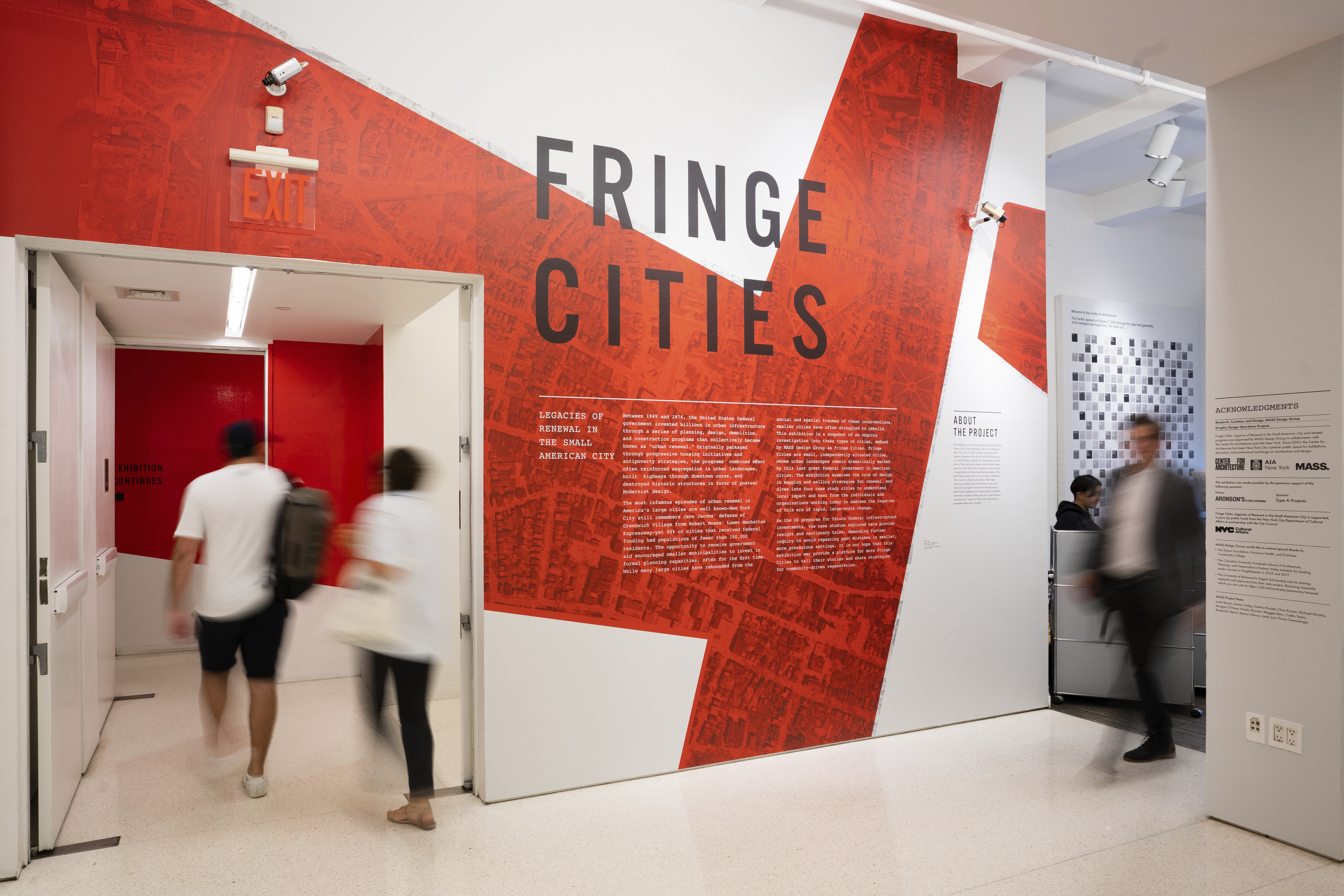
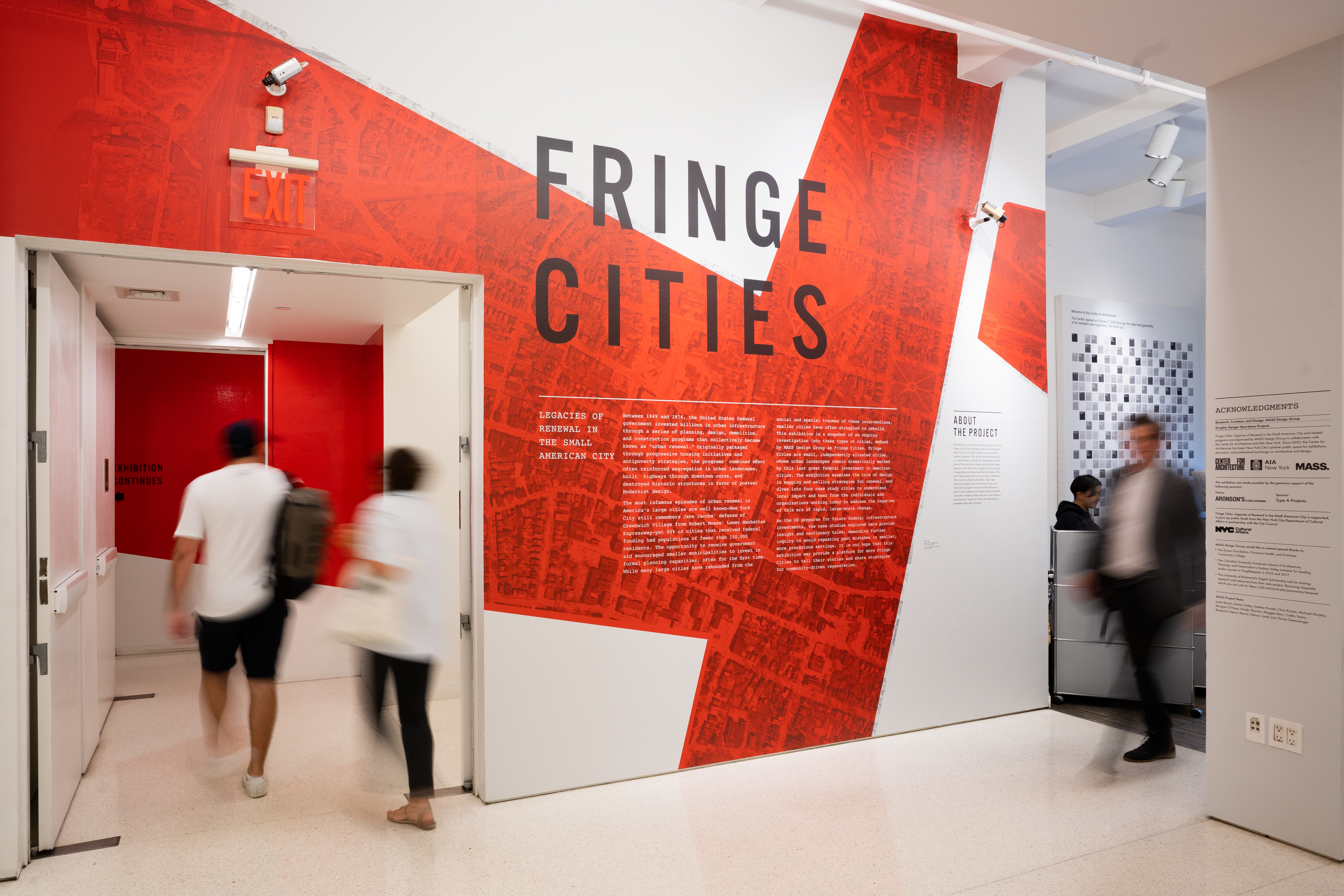
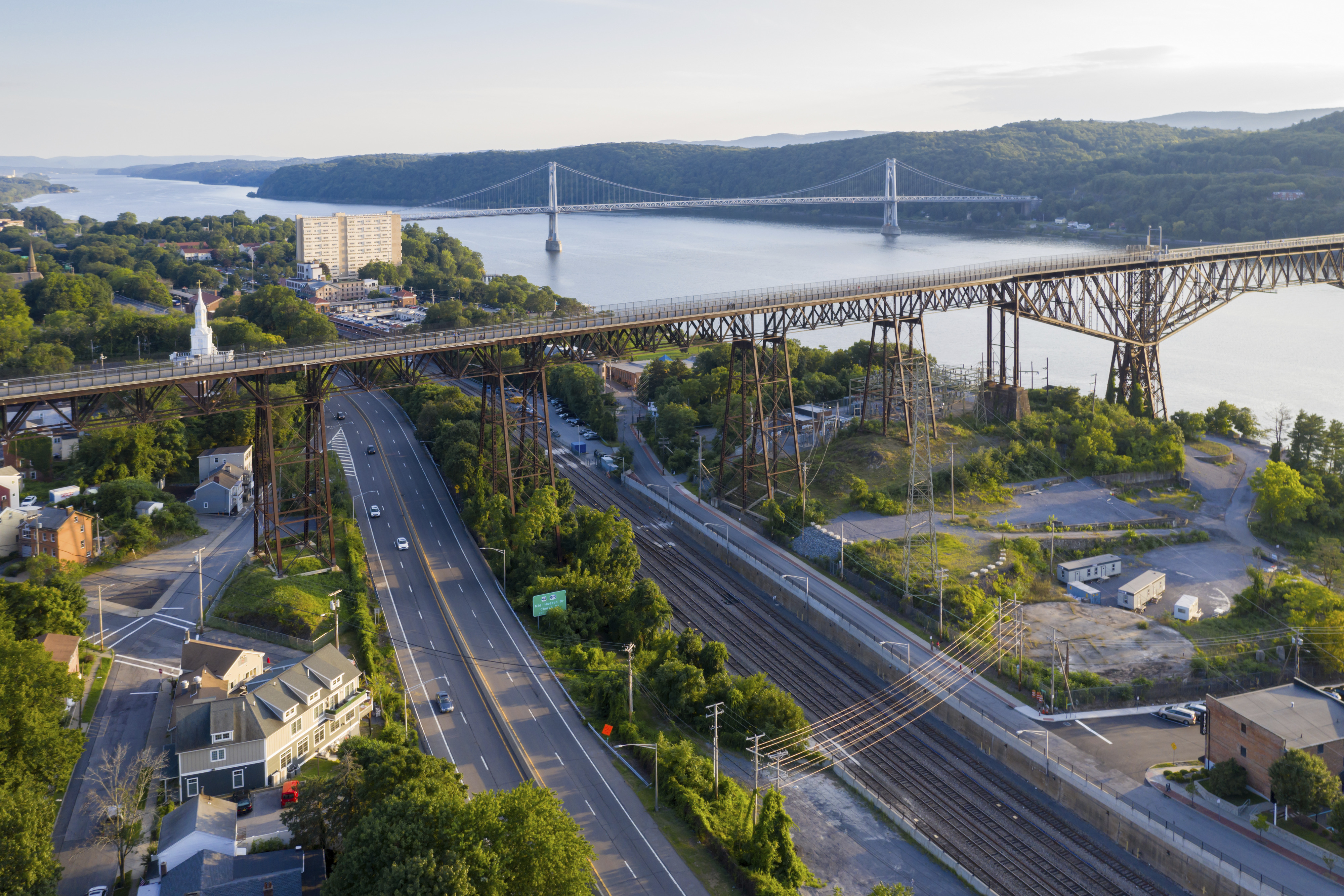
Between 1949 and 1974, the United States federal government invested billions in urban infrastructure through a series of planning, demolition, and construction programs known as “urban renewal.” While many large cities have rebounded or even prospered from this initiative, over 90% of cities that received funding were under 150,000 people, and have struggled to rebuild from the social and spatial traumas of these interventions. We have classified these struggling cities as “Fringe Cities,” which we define as small, independently situated cities, whose urban landscapes remain dramatically marked by this last great federal investment in American cities.
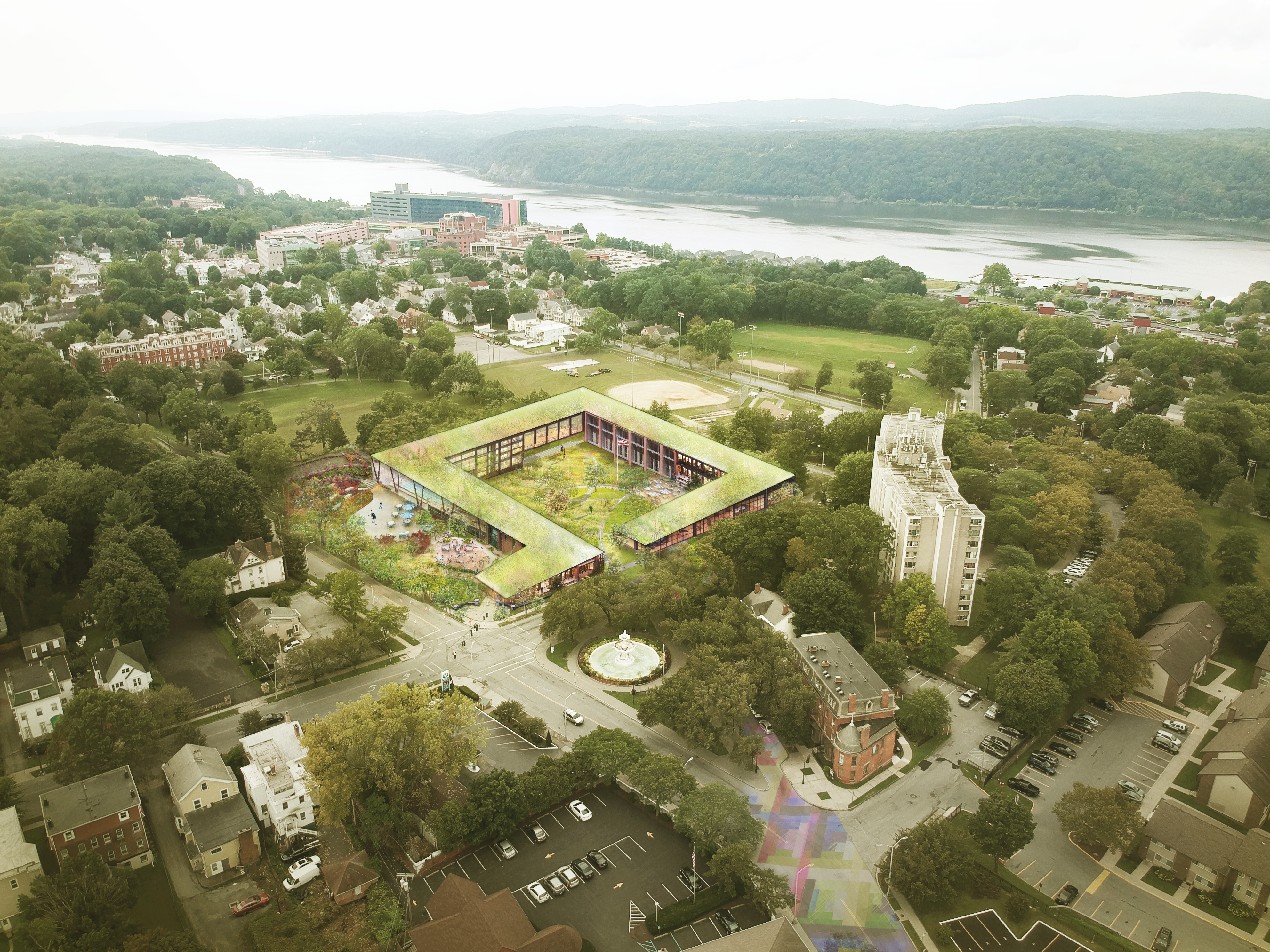
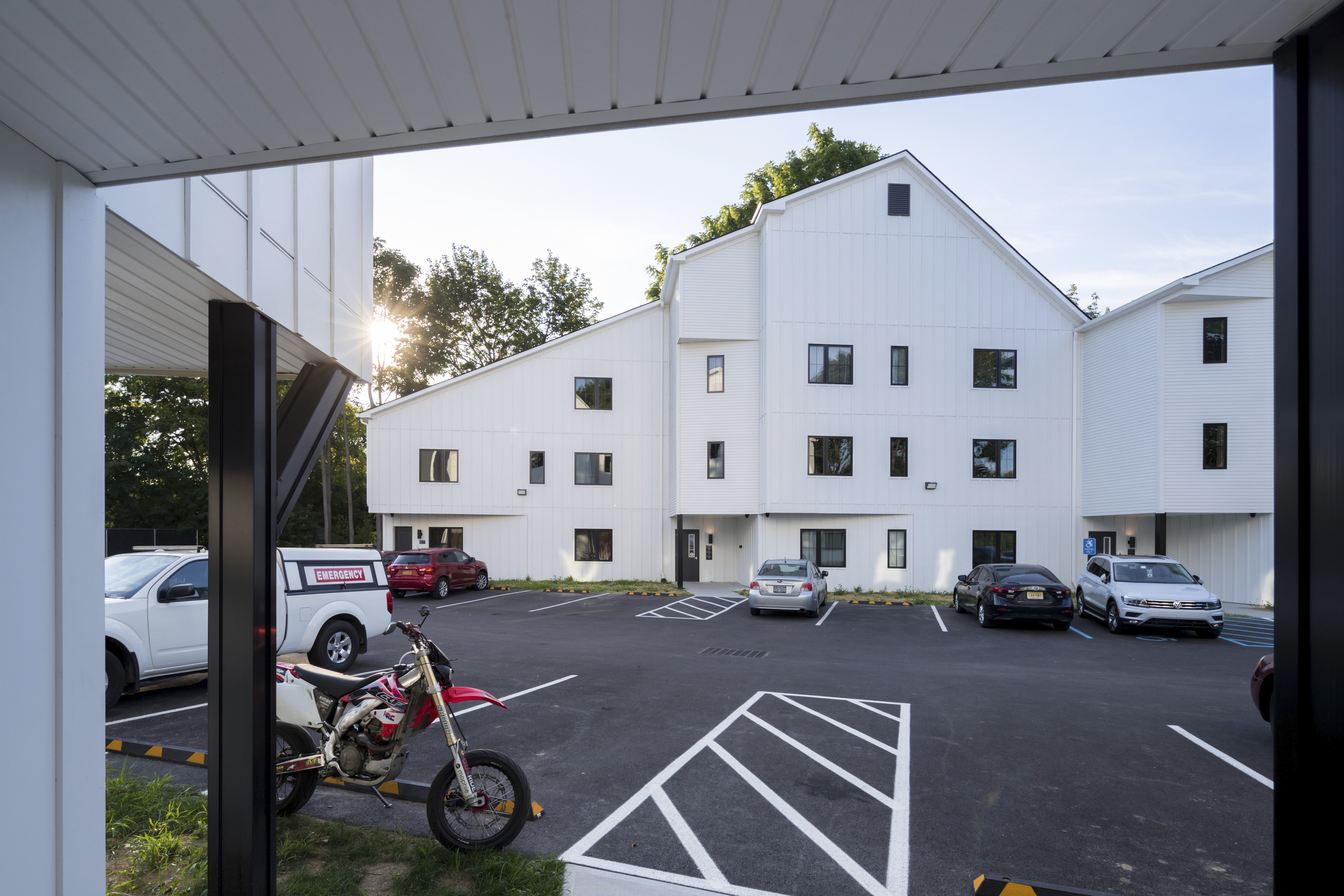
YOU: Youth Opportunity Union
Fringe cities hold architectural and infrastructural assets built during American manufacturing prominence, but today, they are literally crumbling, forgotten under the weight of a global manufacturing economy. The Fringe Cities Design Lab seeks to transform these liabilities into assets relevant to the communities’ present day needs and aspirations. In doing so we can address increasing environmental stresses through adaptive re-use—rather than new construction—while rebuilding communities in the process.
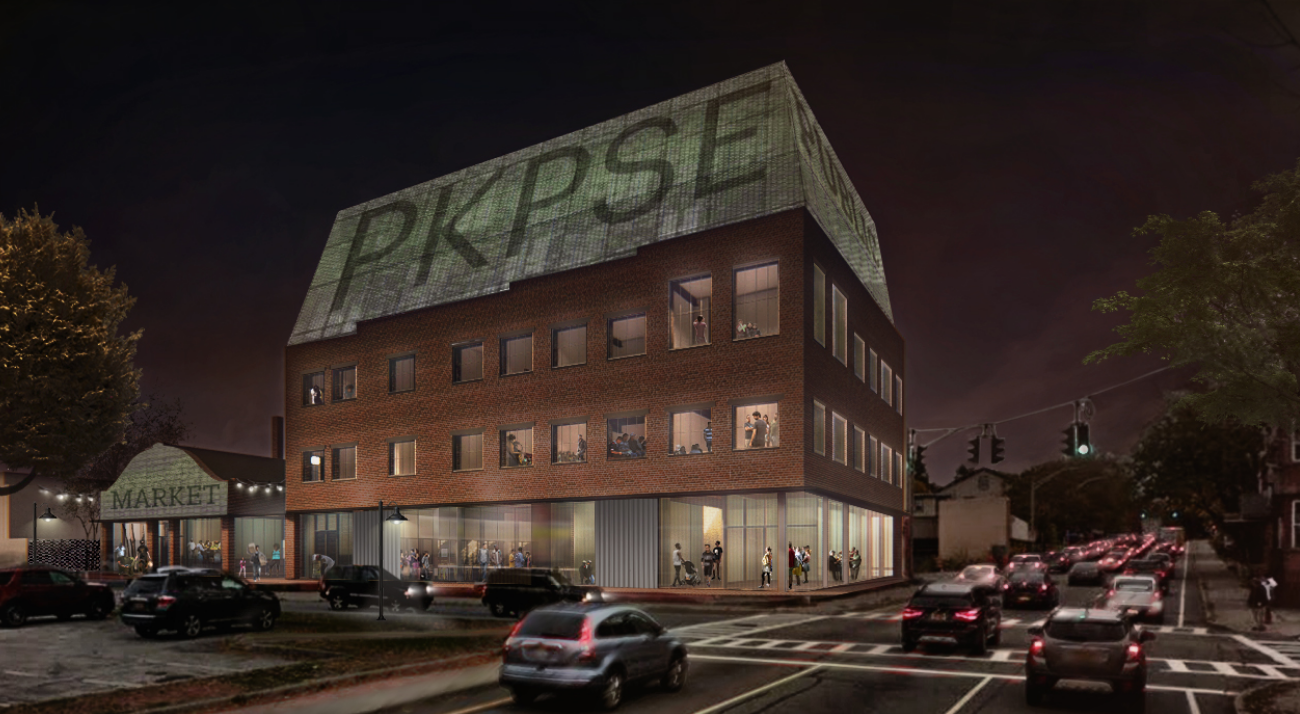
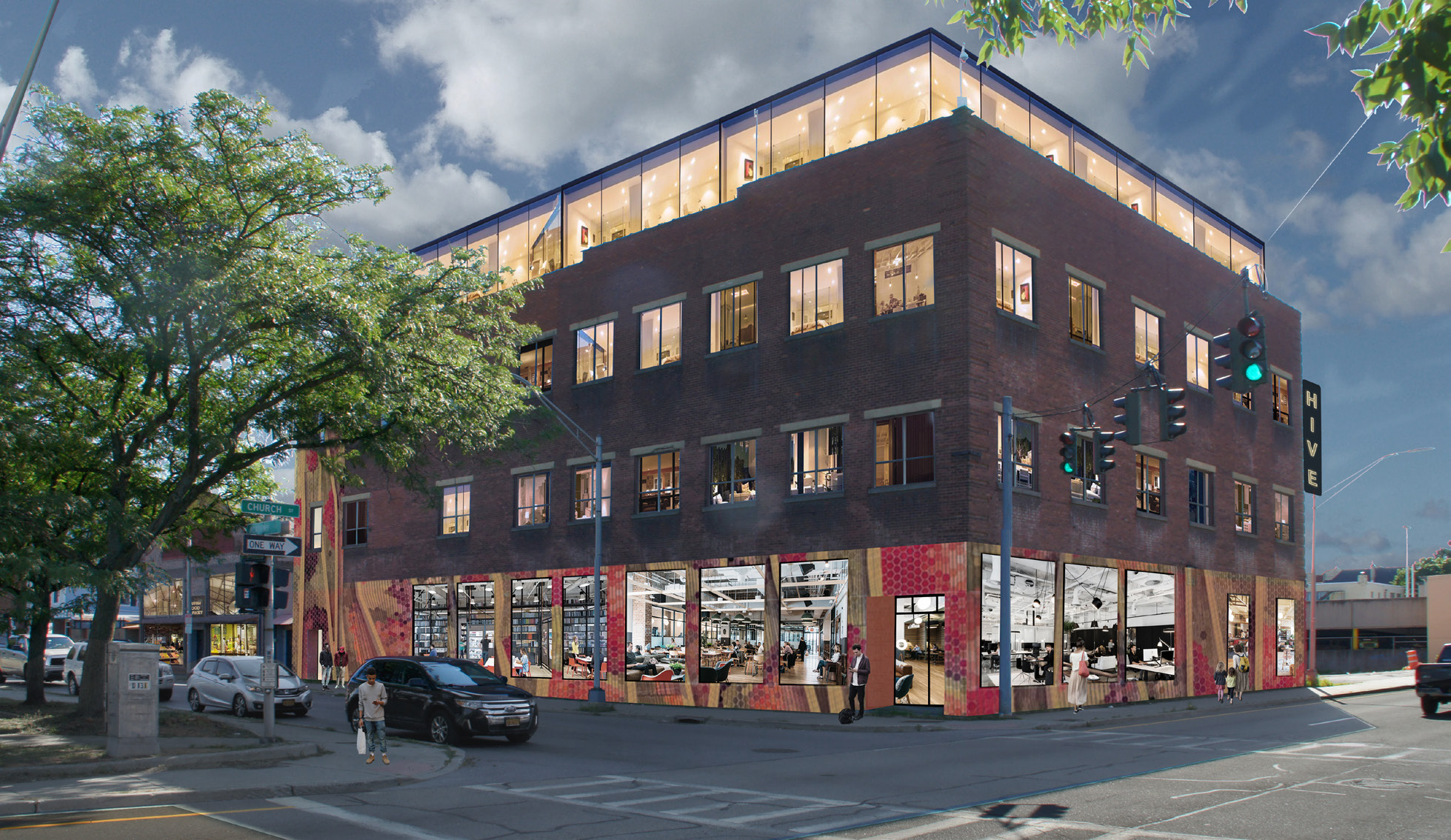
Poughkeepsie Public Market
Emerging out of what was originally the Hudson Valley Design Lab, our work in Poughkeepsie and the region is a core element of our Fringe Cities Design Lab, and is part of a larger hypothesis that architects have a duty to work not only in the metropoles where there is a market for design, but also within smaller communities where it has yet to emerge. Our work focuses on partnering with and supporting local groups to lay the groundwork for community-led efforts to revitalize the city. This grassroots approach has proven to be a viable alternative to the trickle-down model of practice that drove mid-20th century urban renewal, and that still broadly defines the architecture profession today.
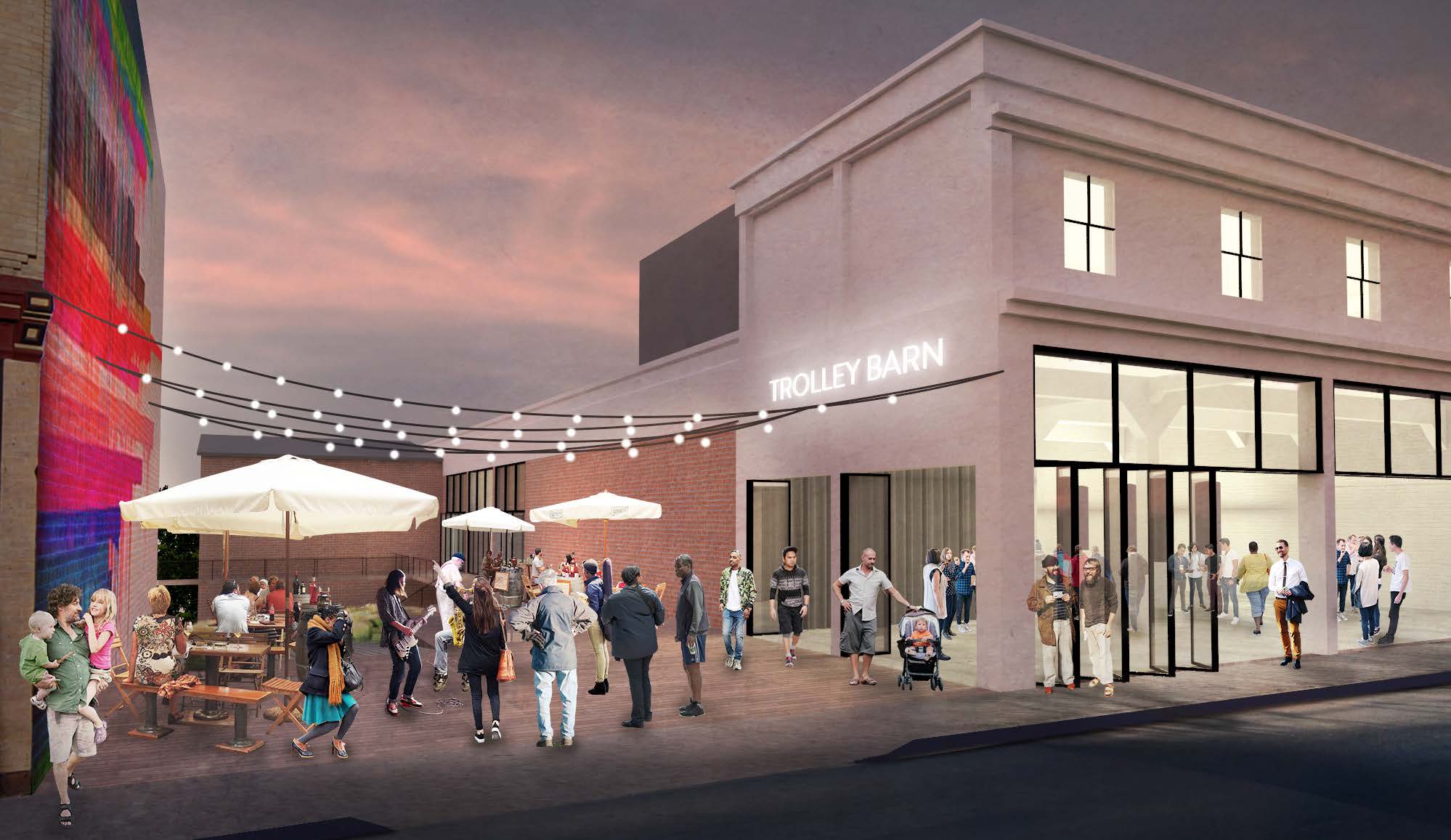
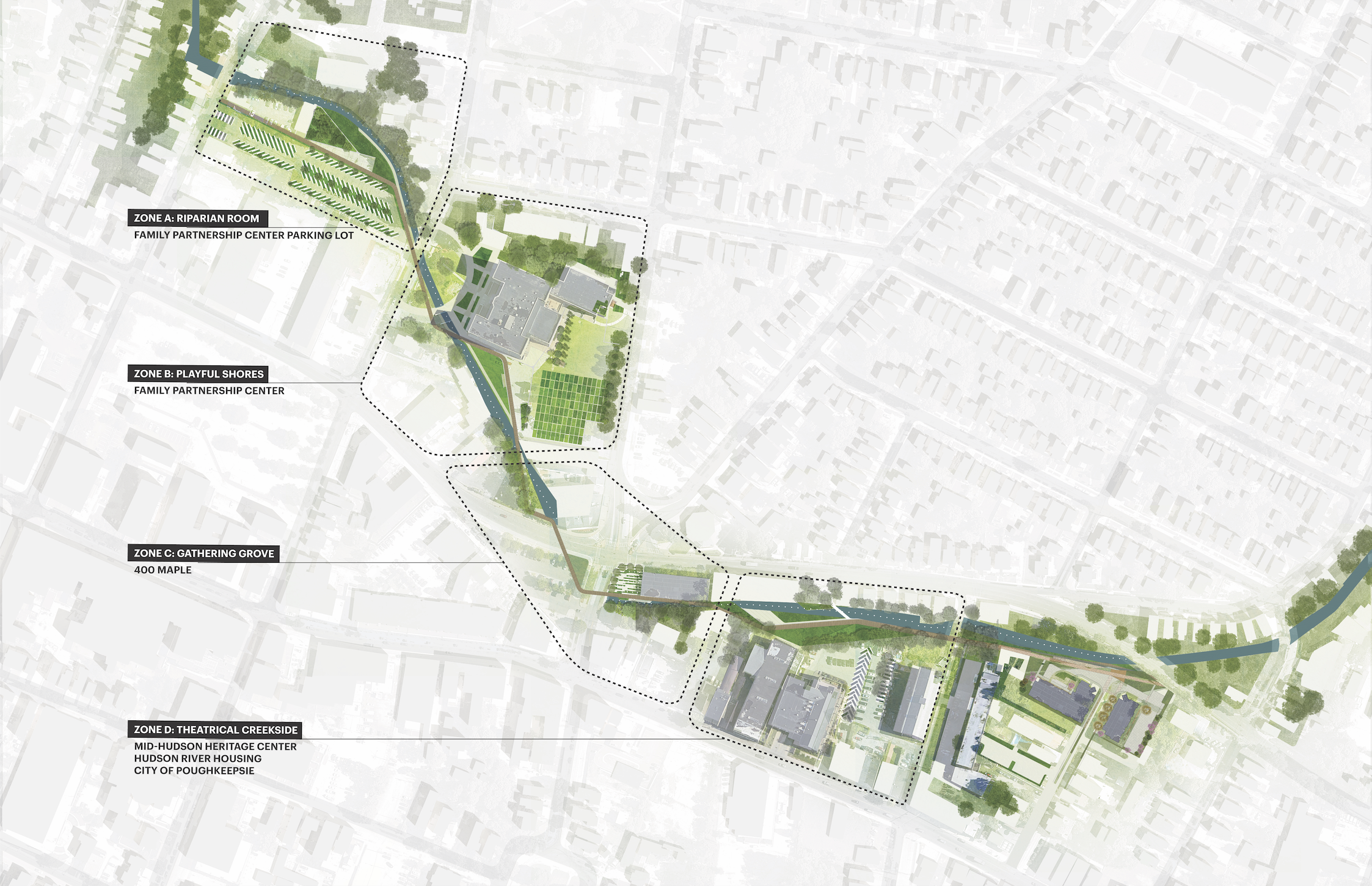
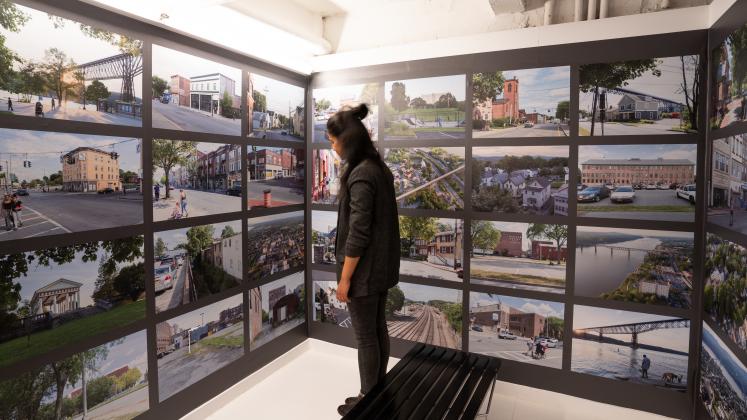
Ongoing Projects and Partnerships include the Trolley Barn, Fall Kill Revitalization, Poughkeepsie Food Hall, and an exhibition at the Center for Architecture in New York City.