

Size

Site: 80 acres

Year

2021

Status

In Progress

Client

Stone Barns Center for Food and Agriculture

Partners

Nelson Byrd Woltz Landscape Architects, Arup, The Chazen Companies, Stuart-Lynn, OLA Consulting Engineers

Alan Ricks, AIA, Int FRIBA

Alan Ricks, AIA, Int FRIBA

Founding Principal & Chief Design Officer

Alan is a Founding Principal and the Chief Design Officer of MASS Design Group. He leads strategy and design of the 100-person firm, which has projects in over a dozen countries that range from design to research to policy—a portfolio that continues to expand the role of design in advancing a more just world.

In 2017 Alan and MASS were awarded the National Design Award for Architecture from the Cooper Hewitt, Smithsonian Design Museum. First launched at the White House in 2000 as an official project of the White House Millennium Council, the annual Awards program celebrates design as a vital humanistic tool in shaping the world, and seeks to increase national awareness of the impact of design through education initiatives.

In 2018 he and MASS received the Arts and Letters Award for Architecture from the American Academy of Arts and Letters. Each year the Academy honors over 70 composers, artists, architects, and writers with awards and prizes. Recipients must be nominated by an Academy member and this year the jury included Annabelle Seldorf, James Polshek, Tod Williams, Billie Tsien, Steven Holl, Kenneth Frampton, and Thom Mayne.

Alan is a member of The Forum of Young Global Leaders with the World Economic Forum, a community of over 800 men and women selected under the age of 40, who operate as a force for good to overcome barriers that elsewhere stand in the way of progress. The community is made up of leaders from all walks of life, from every region of the world, and from every stakeholder group in society.

Currently, he is the William B. and Charlotte Shepherd Davenport Visiting Professor at the Yale School of Architecture and has previously taught at the Harvard Graduate School of Design. He regularly speaks, writes, and creates films focused on the role of architecture in catalyzing social change. Chris Anderson, chief curator of TED, described his TED talk as “a different language about what architecture can aspire to be.”

He has a Bachelor of Arts from Colorado College and a Master of Architecture from the Harvard Graduate School of Design.


Caitlin Taylor, RA

Caitlin Taylor, RA

Design Director

Caitlin joined MASS in 2018 as an architect with a background in food and farming; she brings to the firm an interdisciplinary focus on environmental, economic, and social justice in the food system. She directs the Food System Design Lab at MASS, and is leading projects around the country including the Stone Barns Center for Food & Agriculture, the Poughkeepsie Public Market, and the Pepper Place Pavilion.

Caitlin lives with her family in East Haddam, Connecticut, where they own and operate an organic vegetable and cut flower farm. She has taught advanced architecture studios at the Yale School of Architecture, Columbia GSAPP, and Cornell AAP, and previously worked at firms in New York City and Connecticut.

Her previous work on urban flood control in Las Vegas was awarded the Holcim Foundation for Sustainable Construction Gold Prize. Caitlin studied biochemistry at Wesleyan University and received her Masters of Architecture from Yale School of Architecture, where she received the Henry Adams Medal. She is a registered architect with licenses in Connecticut and Massachusetts.

Design Time

Caitlin Taylor, Michael Murphy, Mayrah Udvardi, Nadia Perlepe, John Padmore, Jessica Wetters

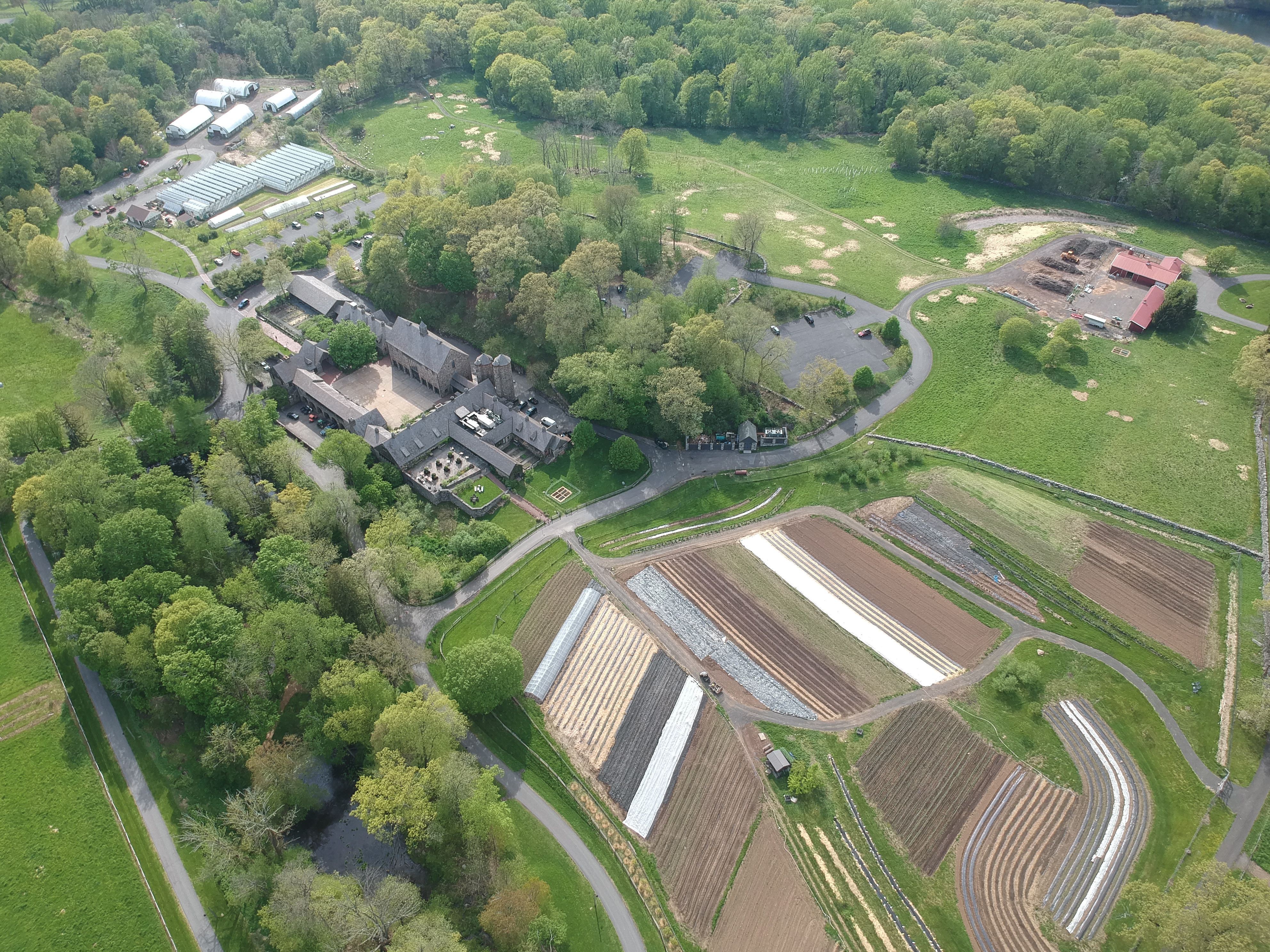
The Stone Barns Center for Food and Agriculture is a non-profit farm and educational center and home to the world-renowned restaurant Blue Hill. Stone Barns serves to demonstrate, teach, and promote organic agriculture and regional cuisine in the Hudson Valley.

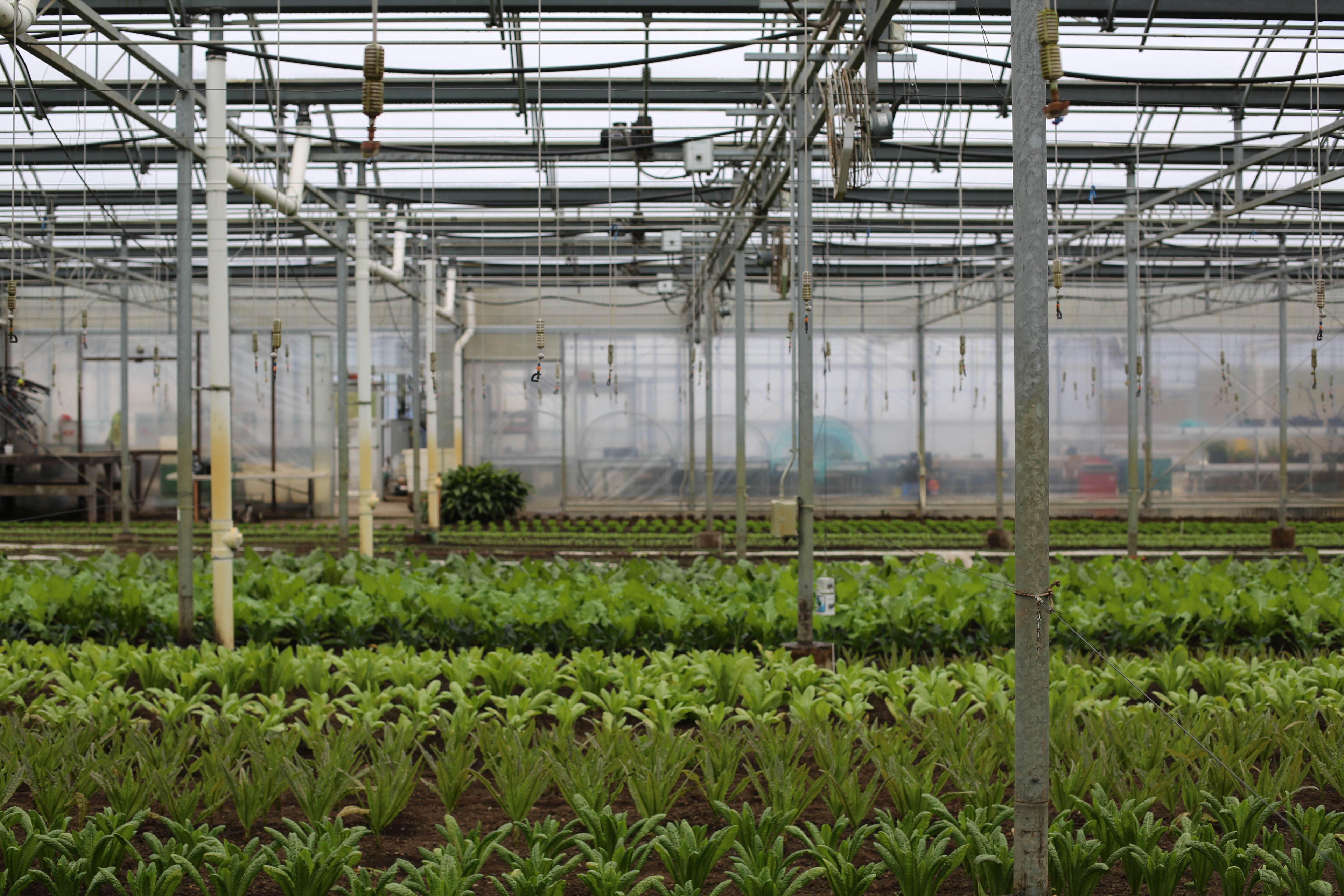
Interior of a greenhouse at Stone Barns

Having been at the front end of this movement for over 15 years, Stone Barns is uniquely positioned to offer paradigm-shifting innovations far into the future, starting with the development of an ecologically- and agriculturally-driven cuisine that shifts food culture in the region. Giving those future innovations a spatial language, grounding them in shared values, and defining how they reach the wider world, are the unique design opportunities of this masterplanning process.

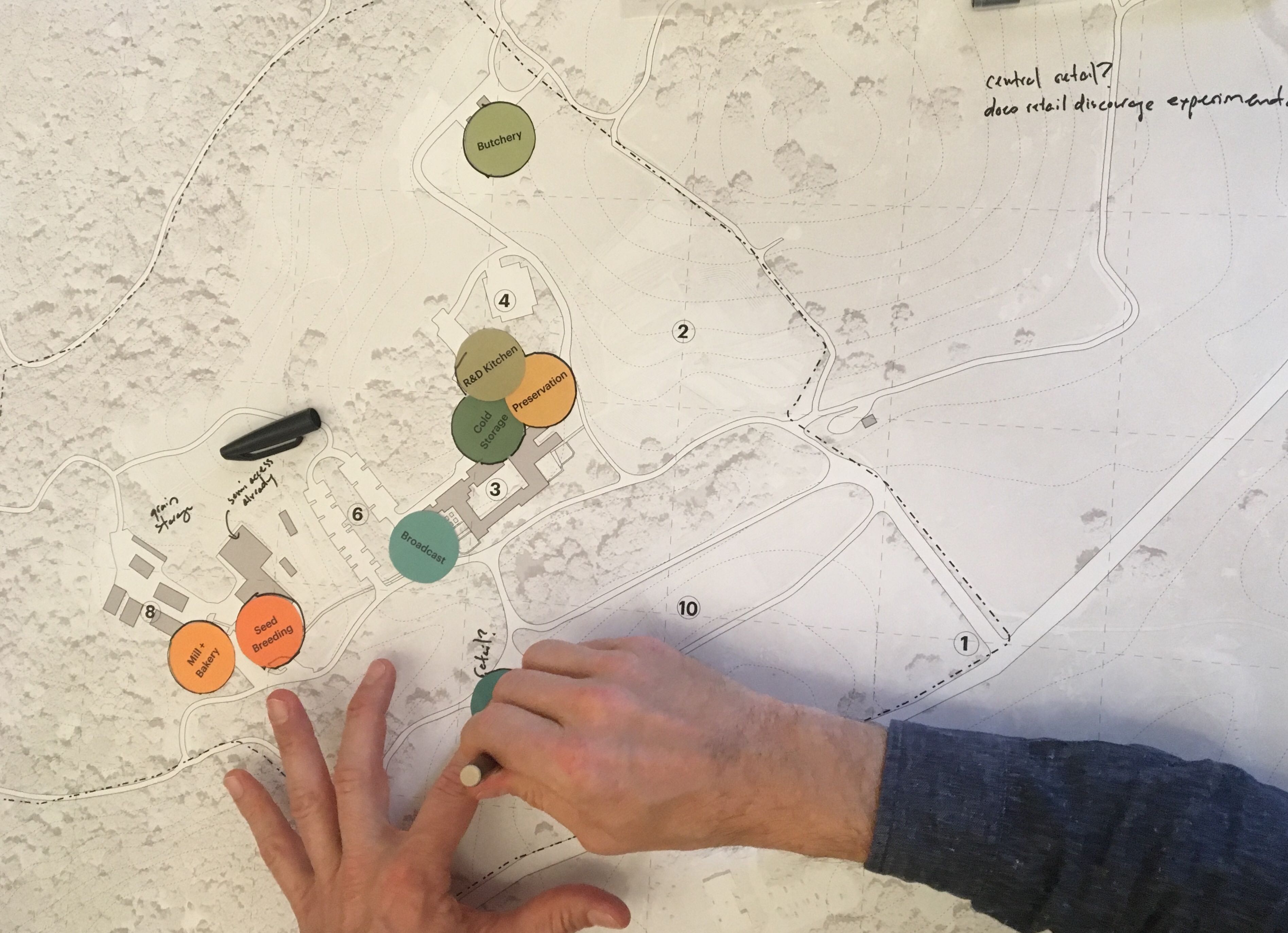
image of a workshop, going over the masterplan

Our team is working closely with the Stone Barns and Blue Hill leaders to imagine the future of the campus. Knowledge drawn from the physical site and its history is captured throughout our ongoing engagement to build a shared vocabulary and vision to drive the project forward. Through an immersion process, we have identified major needs, challenges, and opportunities of current campus programming and operations, and in our masterplan design work aligns solutions with a conceptual design language for emerging strategic initiatives and future infrastructural development on campus.

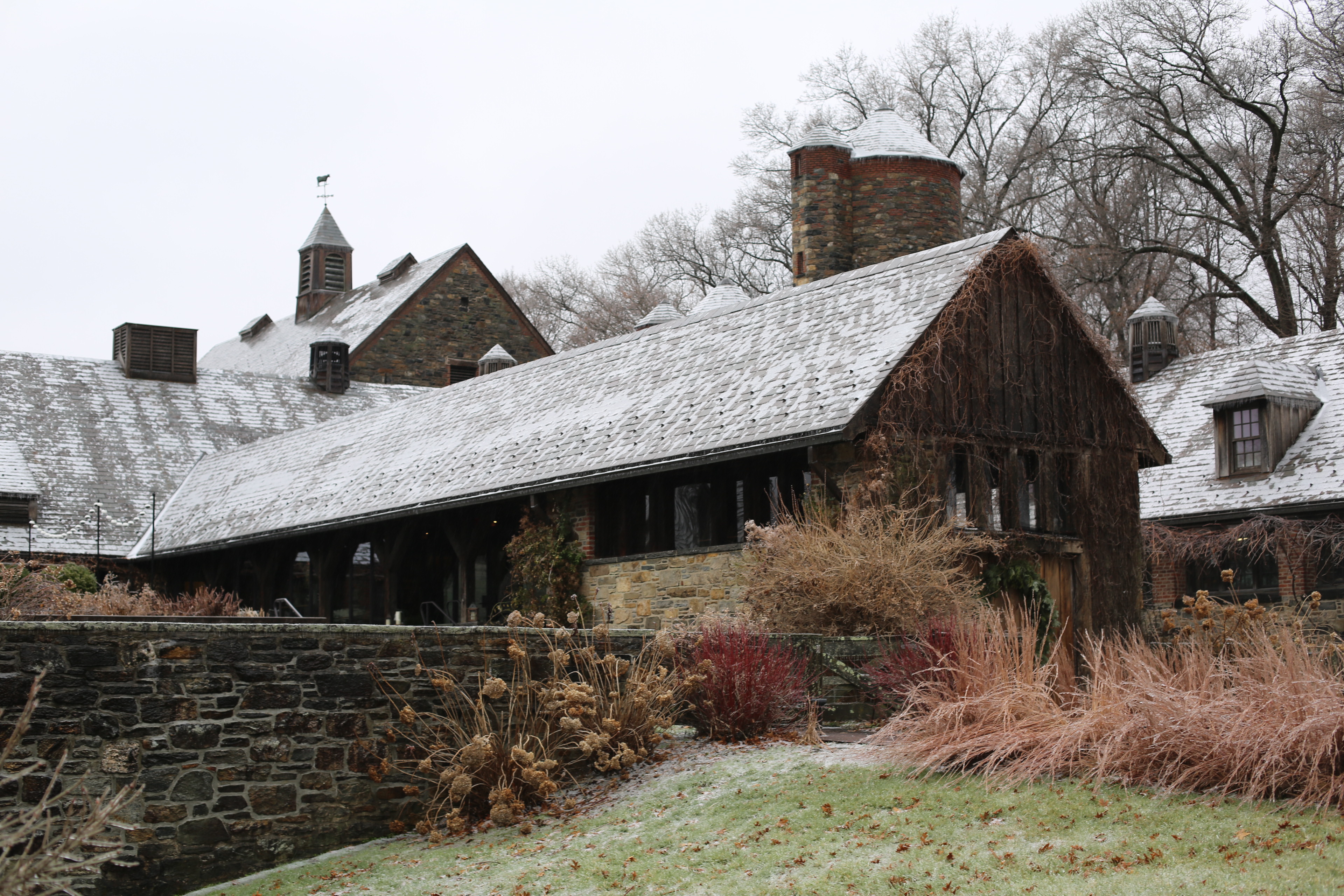
Exterior of the Stone Barns Building