Designing decarceration and investing in restorative justice.
Lab Leadership

Regina Chen
Principal

Regina Chen
Principal — Boston
Regina joined MASS in 2013. While based in the Kigali office, she led MASS’s immersion practices, helping to guide mission-driven design through community engagement and building the firm’s capacity to understand and partner with stakeholders. She moved to the Boston office in 2015 to lead a research project investigating the impact of capital projects, and developing tools to capture and share lessons learned.
Currently, Regina directs MASS’s Research and Publications arm. In this role, she guides and implements impact evaluation initiatives and oversees editorial strategy in publications and exhibitions. Regina guides MASS’s strategies in frontier markets, bringing together philanthropy, partner and project development, research, and advocacy through five subject matter-specific Design Labs. As the Principal leading the Gun Violence Memorial Project and the Restorative Justice Design Lab, she maintains a deep commitment to community engagement and diligent research in her work, and aims to help create space for truth telling, healing, and collective action. Her work helps to hold our work accountable, internally, with our communities, and with our partners. Regina studied Civil Engineering and Architecture at Princeton University and received her Master’s in Urban Planning at Harvard University’s Graduate School of Design.

Annie Kountz
Senior Architect

Annie Kountz
Senior Architect — Boston
Annie is a Senior Associate who joined MASS in 2021. Prior to MASS, Annie designed and managed architectural projects focused on social and racial justice. This ranged from supportive housing, schools, early education centers, community centers and restorative justice centers for non-profits and public agencies in New York City. Her projects received multiple AIA and SARA awards in New York state and nationally.
At MASS, she is currently working on the design of an affordable housing and health care project. She works with the Restorative Justice Design Lab, which leverages architecture to imagines alternatives, highlight spatial injustices, and advocate for decarceration and prison abolition.
She received her Masters in Architecture from the Harvard Graduate School of Design where she was a 4 year Dean’s merit scholar. Annie was awarded President Obama’s National Public Service Award for leadership and public service. As well as the GSD’s Unsung Hero Award, and two Public Service Fellowships for her work in Nairobi, Kenya, and teaching and mentoring youth in Boston. Once upon a time she was a Structural Engineer with full scholarship at the University of Washington and the SOM Traveling Fellow for Art, Architecture and Engineering.
Her work has been published in the UN’s Design for the other 90%, Harvard Prison Studies Project, Baltimore Open City Exhibit, The A4 Exhibit in Tokyo, Japan, and multiple Harvard GSD publications. She has taught at Harvard University GSD’s Career Discovery, Project Link, and Design Initiative for Youth. She has lectured at the Boston Public Library, Community NOW, and the Octavia Project.
She is a licensed architect in New York State and a member of AIA NY’s Architecture for Justice committee.

DaMario Walker-Brown
Designer
DaMario Walker-Brown
Designer
DaMario joined MASS as a Designer in May of 2021. He is currently working in the Restorative Justice Design Lab and on Project Bridgeworks. He is passionate about social justice and understanding architecture’s role when it comes to creative placemaking in marginalized communities and addressing homelessness. Prior to joining MASS, DaMario worked full time for a Lexington-based firm focusing on justice facilities. During graduate school, he held internships at firms based in Cincinnati, Boston, Philadelphia and Lexington.
DaMario received his Master of Architecture degree from the University of Cincinnati. His thesis focused on examining the existing conditions of an all-black town founded by freed African-Americans during Post-Reconstruction. This project proposed a re-imagining of the town through a series of interventions and a main catalyst that would help revitalize and share the rich history of the town. He also received his Bachelor of Science in Architectural Sciences degree from Western Kentucky University.

Elena Baranes
Senior Designer
Elena Baranes
Senior Designer — Santa Fe
Elena joined MASS in January of 2019. Her work with the Sustainable Native Communities Design Lab and the Restorative Justice Design Lab focuses on engagement and design that elevates community voices. Her partnerships and projects seek to address the future of Indigenous sovereignty, healing through the arts and education, and decarceration. Prior to joining MASS, Elena worked as part of a Los Angeles-based design-build team. She received her Masters of Architecture from Yale School of Architecture and her Bachelor of Arts from Boston University.

Brandon Juan Surtain
Conway Design Fellow

Brandon Juan Surtain
Conway Design Fellow
Brandon Surtain lives and works in New Orleans, Louisiana. A native New Orleanian, Brandon attended graduate school at Tulane University, where he received Master’s of Architecture and Master’s of Sustainable Real Estate development degrees. Brandon received his Bachelor’s of Fine Art, with a concentration in painting and drawing, from Louisiana State University. During this time he was also a member of the LSU football team. Brandon’s interests in Architecture, Art and Real Estate Development stem primarily from a place of cultural preservation. Much of his work implicitly responds to life in New Orleans before and after Hurricane Katrina. Focusing on preserving the static and dynamic aspects of the built environment through art and design occupied the bulk of Brandon’s research at Tulane University. Brandon is a former Design Futures student leader, which promotes social and professional equity, as well as design thinking in all aspects of life. He is an exhibiting artist, represented by the Arthur Roger Gallery and a member of the National Organization of Minority Architects.

John Maher
Design Director

John Maher
Design Director — Chicago, IL
John joined MASS in early 2014 and spent two and a half years working in MASS' Kigali office before moving back to Boston, and is now based in Chicago. John has led design teams on two hospital projects currently under construction in Rwanda, Munini and Nyarugenge District Hospitals, and most recently New Redemption Hospital in Caldwell, Liberia. He is currently working on the design of a behavioral health furniture line and construction oversight for New Redemption Hospital. He's worked on projects in East Africa, West Africa, South Asia, and North America. Prior to joining MASS, John was awarded two Public Service Center Fellowships from MIT for water, sanitation, and hygiene projects in Tamale, Ghana. As a Visiting Professor at Washington University in St. Louis in the spring of 2020 John led a studio focusing on the social determinants of health and design interventions in North St. Louis. He is currently pursuing an MBA at University of Chicago’s Booth School of Business as a Neubauer Civic Scholar. John received his Master of Architecture from Massachusetts Institute of Technology and his Bachelor of Arts in Architecture from Washington University in St. Louis.

John Padmore
Senior Designer
John Padmore
Senior Designer — Boston
Having worked as a Designer with Powell Kleinschmidt in Chicago for nine years, John first joined MASS as a designer working on the Liberia MOHSW Design Standards and Redemption Hospital Masterplan projects in 2011. After a 10 year hiatus during which he worked in a lead design role with KGD Architecture and Fox Architects on numerous commercial projects in the DC, Maryland, and Virginia areas, John rejoined MASS in 2021.
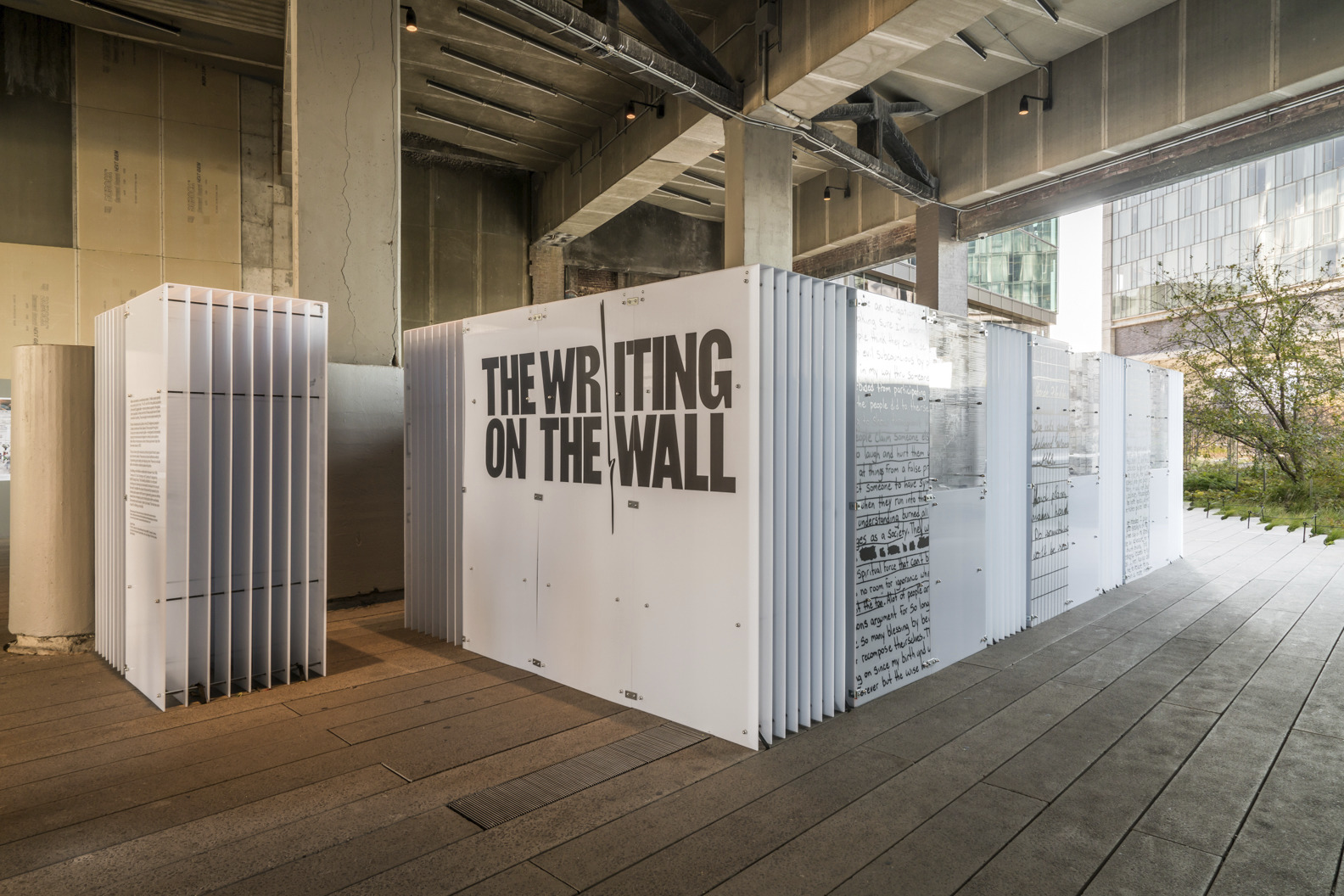
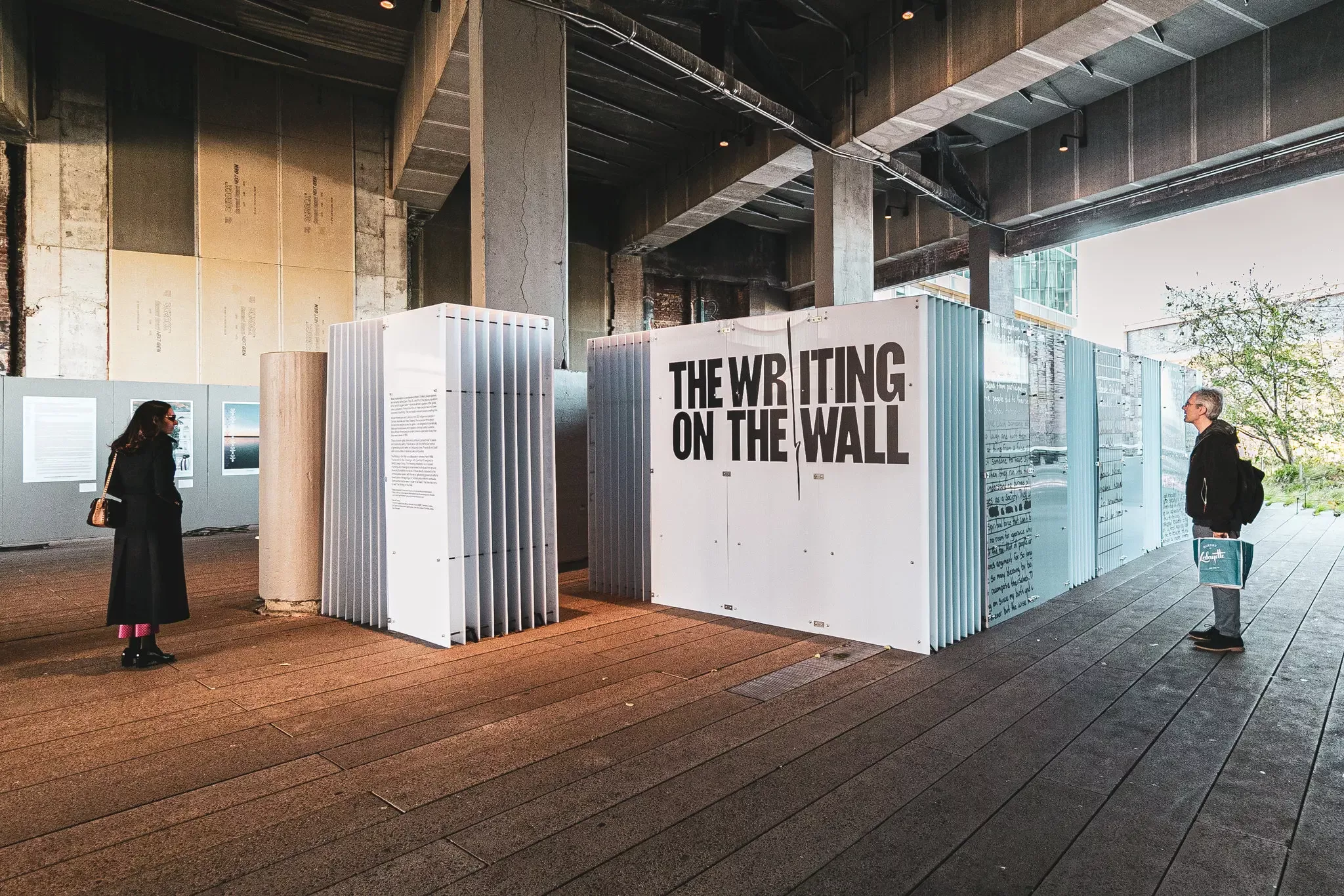
The Writing on the Wall
In the United States today, there are 2.3 million people incarcerated in over 1,800 correctional facilities, forming a vast punitive network that is unparalleled anywhere else in the world. The impact of this landscape is felt far beyond prison walls: from unjust practices of community development to policing, sentencing, and conviction, to incarceration and reentry—every step of our so-called justice system is in need of a re-imagination. What would it look like if we as a society could rethink what true justice means—what it looks like?
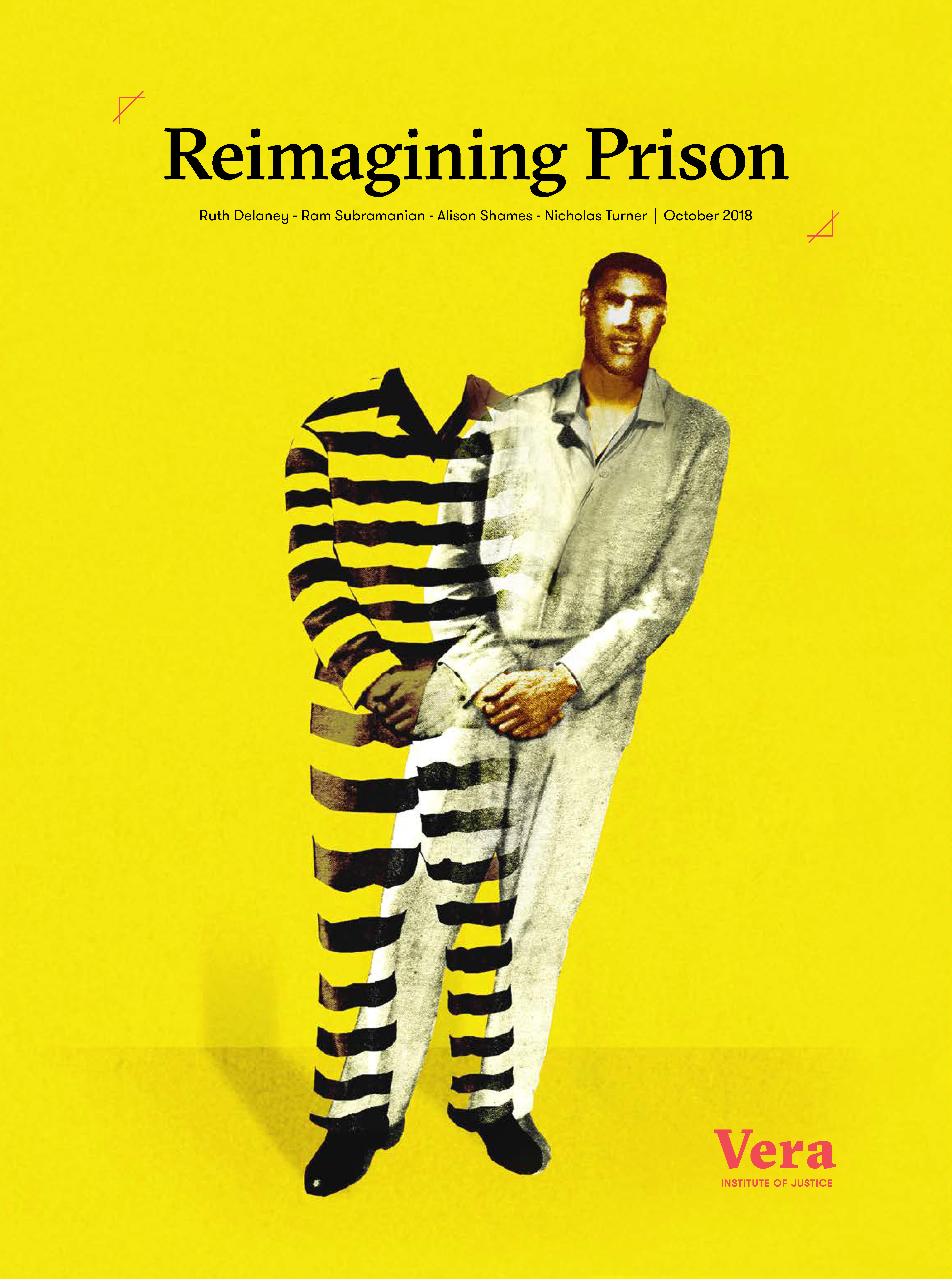
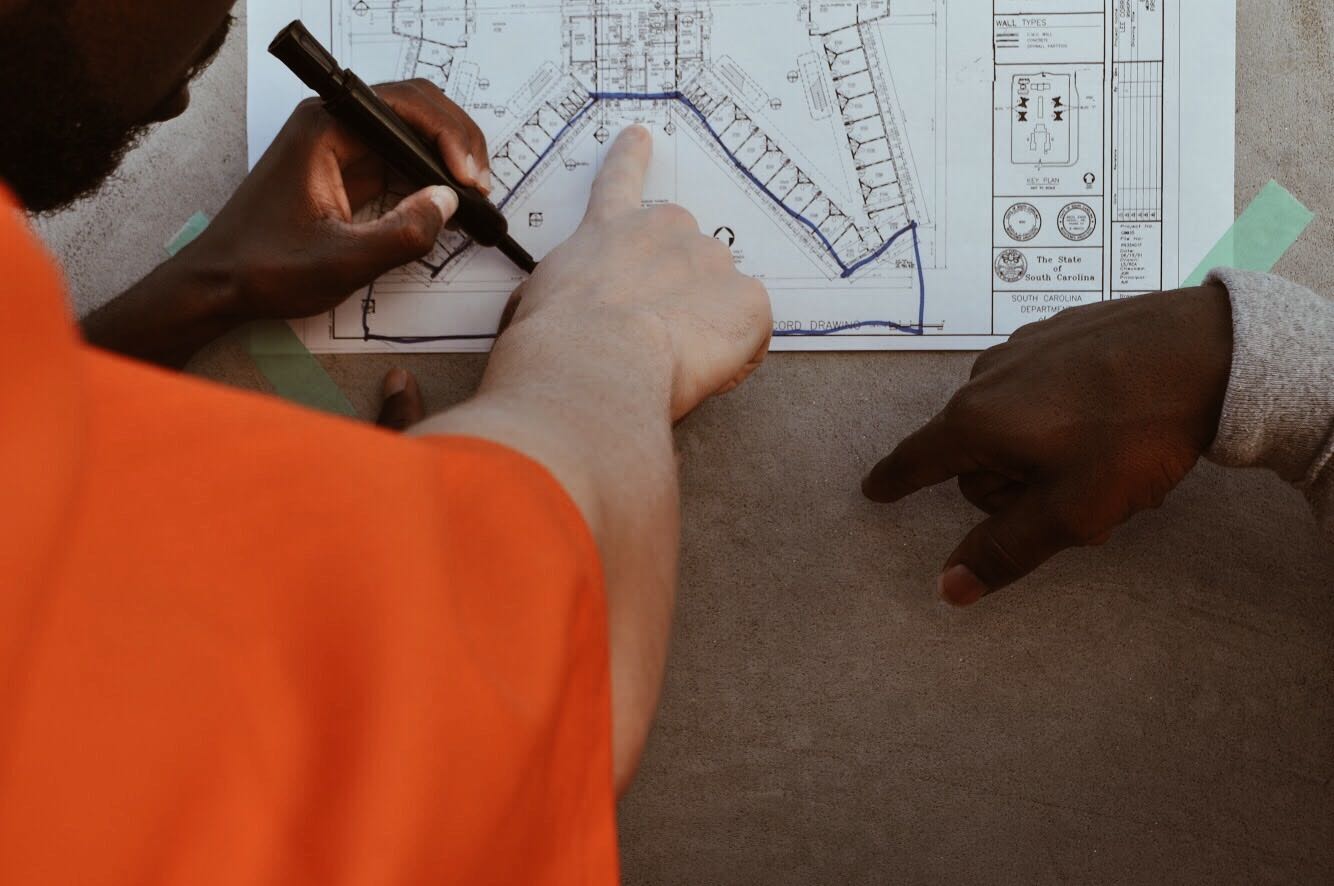
Reimagining Prison Vera Institute of Justice
The Restorative Justice Design Lab (RJDL) creates a platform for cross-sector collaborations that seek to bring design to serve a radically reimagined justice system. The lab supports partners working to end mass incarceration and investing in communities by providing a broad spectrum of design interventions.
The lab focuses on both long-term and short-term interventions: We believe it is essential to build new community justice spaces, expand mental health recovery, support harm reduction infrastructures, and invest in re-entry housing and support structures.
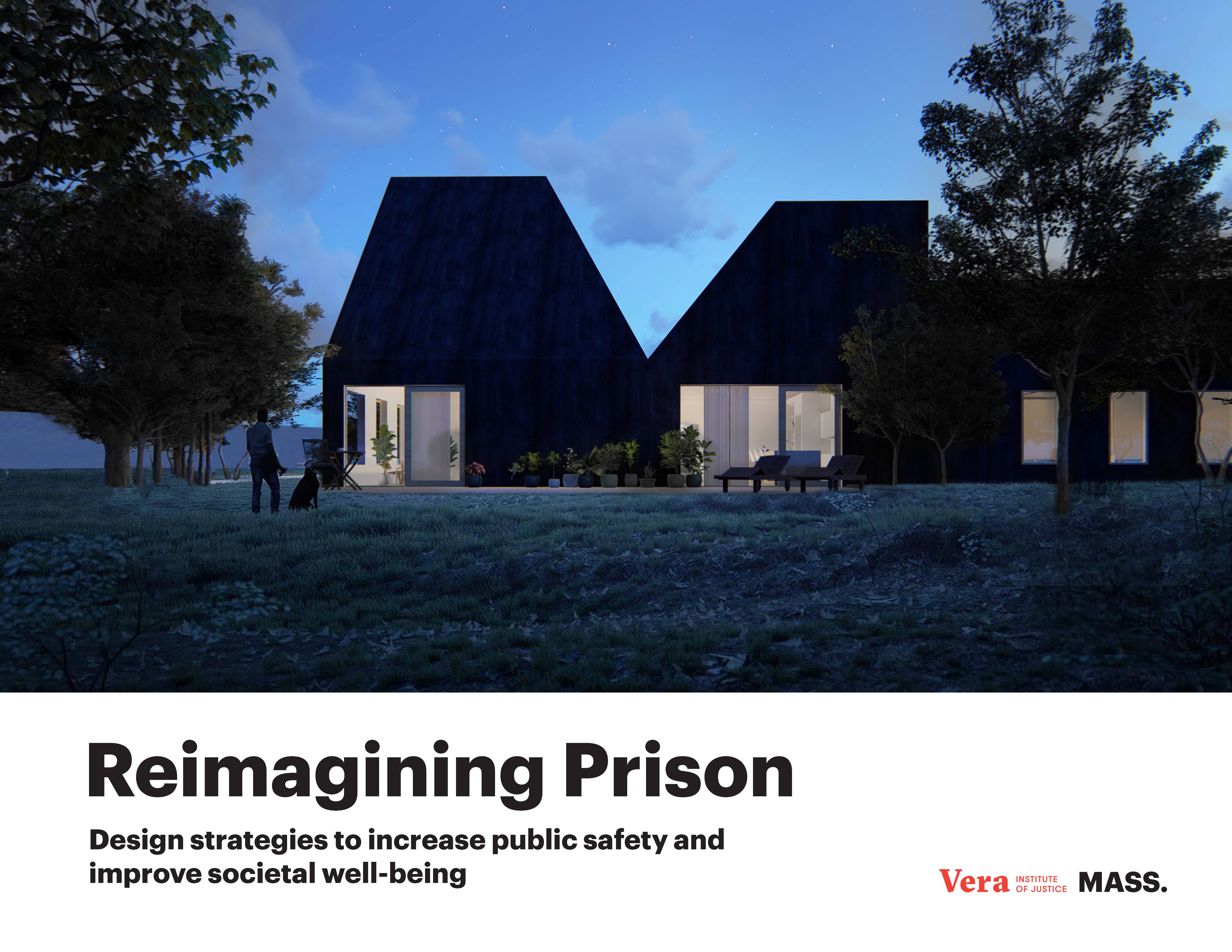
Reimagining Prison
RJDL seeks to promote a community-based restorative approach that invests in dignity and humanity for every member of society. We research, publish, and exhibit materials to challenge and change the narratives.
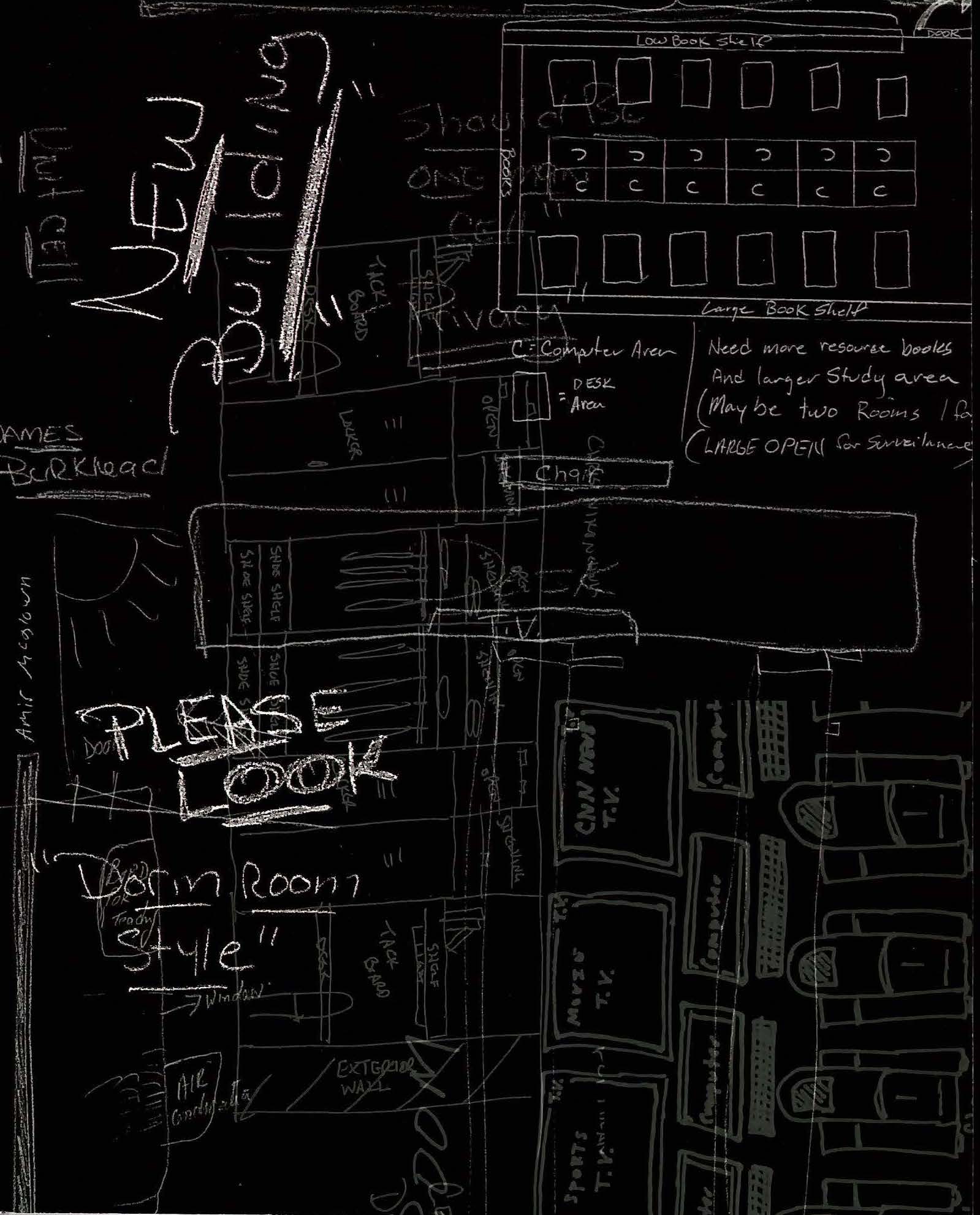
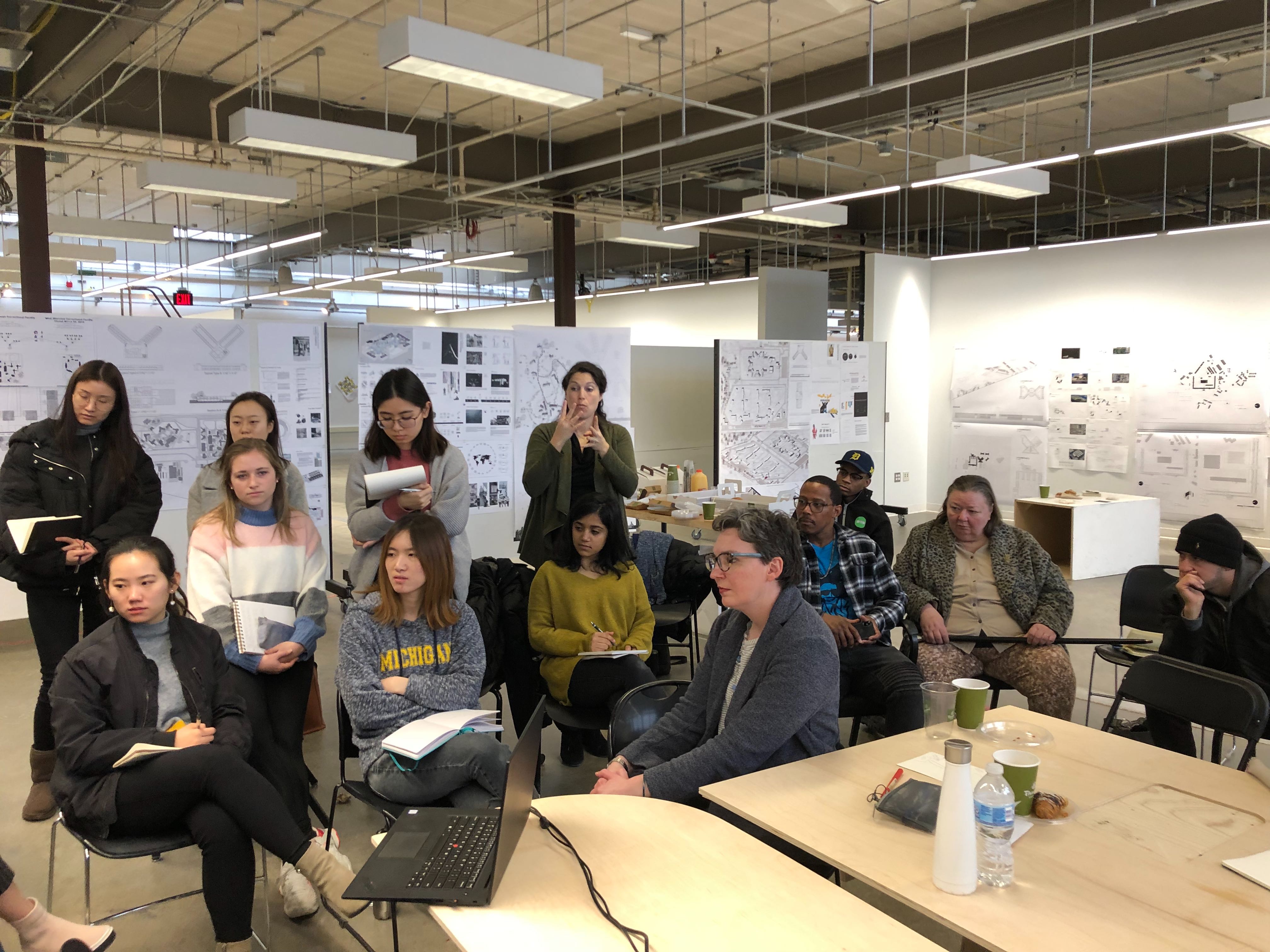
University of Michigan Taubman School of Architecture
We seek to close prison pipelines and divert people from the system through education and innovative courts. We advocate for restorative justice, community investment, and alternatives to incarceration.
Ongoing Projects and Partnerships include:
- Freedom Libraries, a project in partnership with Dwayne Betts, recently awarded the MacArthur fellowship, and the Freedom Reads team seeking to bring access to facilities across the US.
- Restoring Promise, a collaboration with the Vera Institute for Justice and the MILPA Collective where we collectively champion human dignity. The team works to address harm through restorative justice, antiracism and cultural healing.
- A publication on the Architecture of Prisons
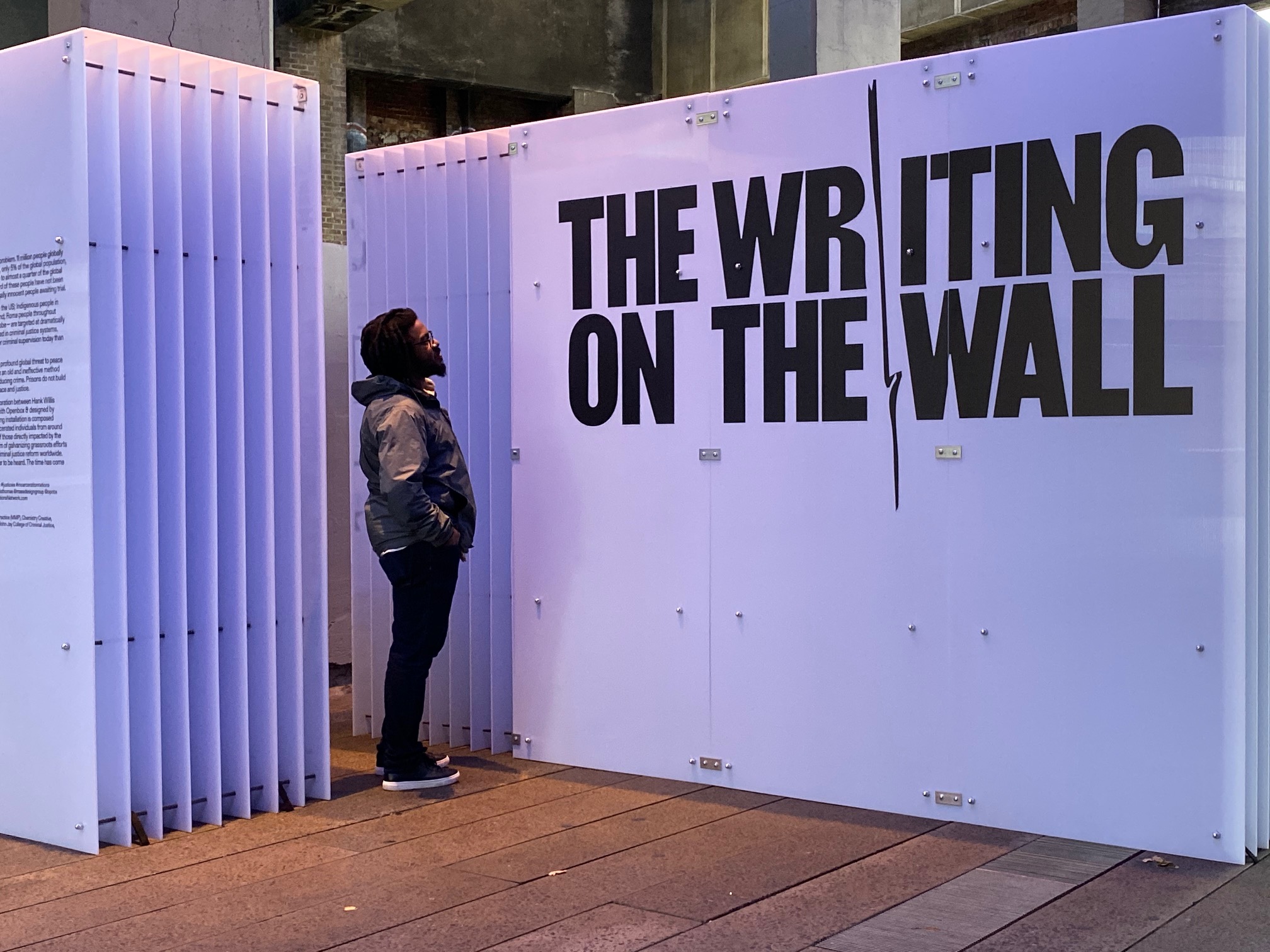
- The Writing on the Wall exhibition
- Carceral Environments and COVID-19