
Size

Exhibit: 1,850 sq. ft. / 172 sq. m.

Year

2020

Status

Completed

Client

Center for Architecture, American Institute of Architects NY

Justin Brown, AIA, LEED AP

Justin Brown, AIA, LEED AP

Principal — Poughkeepsie

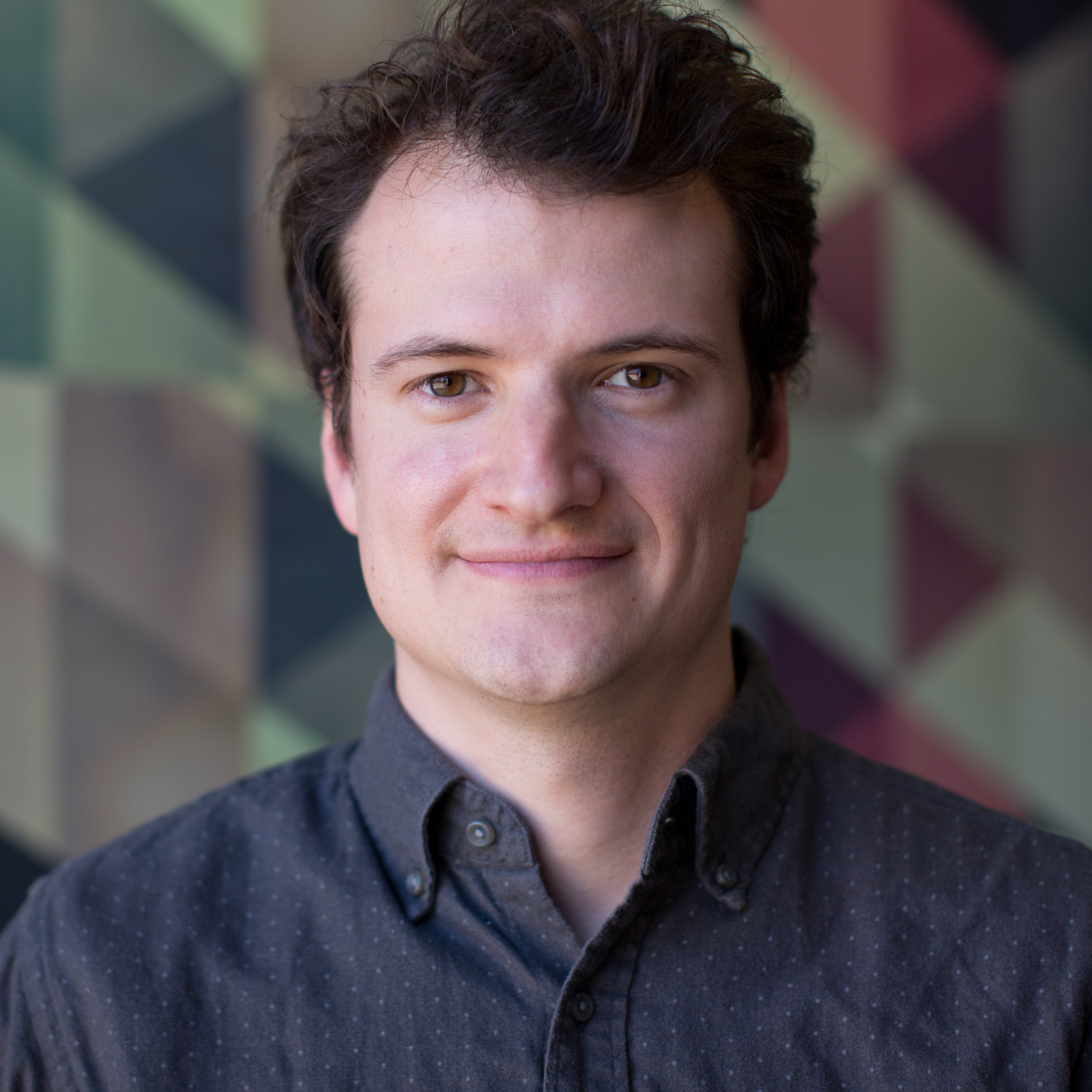
Justin is a co-founder and Principal at MASS focused on expanding architectural work in the U.S. He leads the Hudson Valley Office in Poughkeepsie, NY and is dedicated to the growth of MASS’s Social Justice and Adaptive Re-use portfolios. He was the Project Architect for the Equal Justice Initiative’s National Memorial for Peace and Justice and founder of the Fringe Cities Design Lab, which researches vulnerable American cities and follows community-engaged design practices to unlock upstream capital to transform liabilities into assets.

Prior to MASS, Justin has led award winning projects at Gensler in Washington DC, Perez APC in New Orleans, and Toshiko Mori Architect in New York. He has guest lectured in seminars at Harvard Graduate School of Design, MIT School of Architecture and Planning, University of Toronto, and Dartmouth College. He holds a Master in Architecture from Harvard University and a Bachelor of Arts in Architecture from the University of Pennsylvania.

Morgan O'Hara

Morgan O'Hara

Manager, Advancement

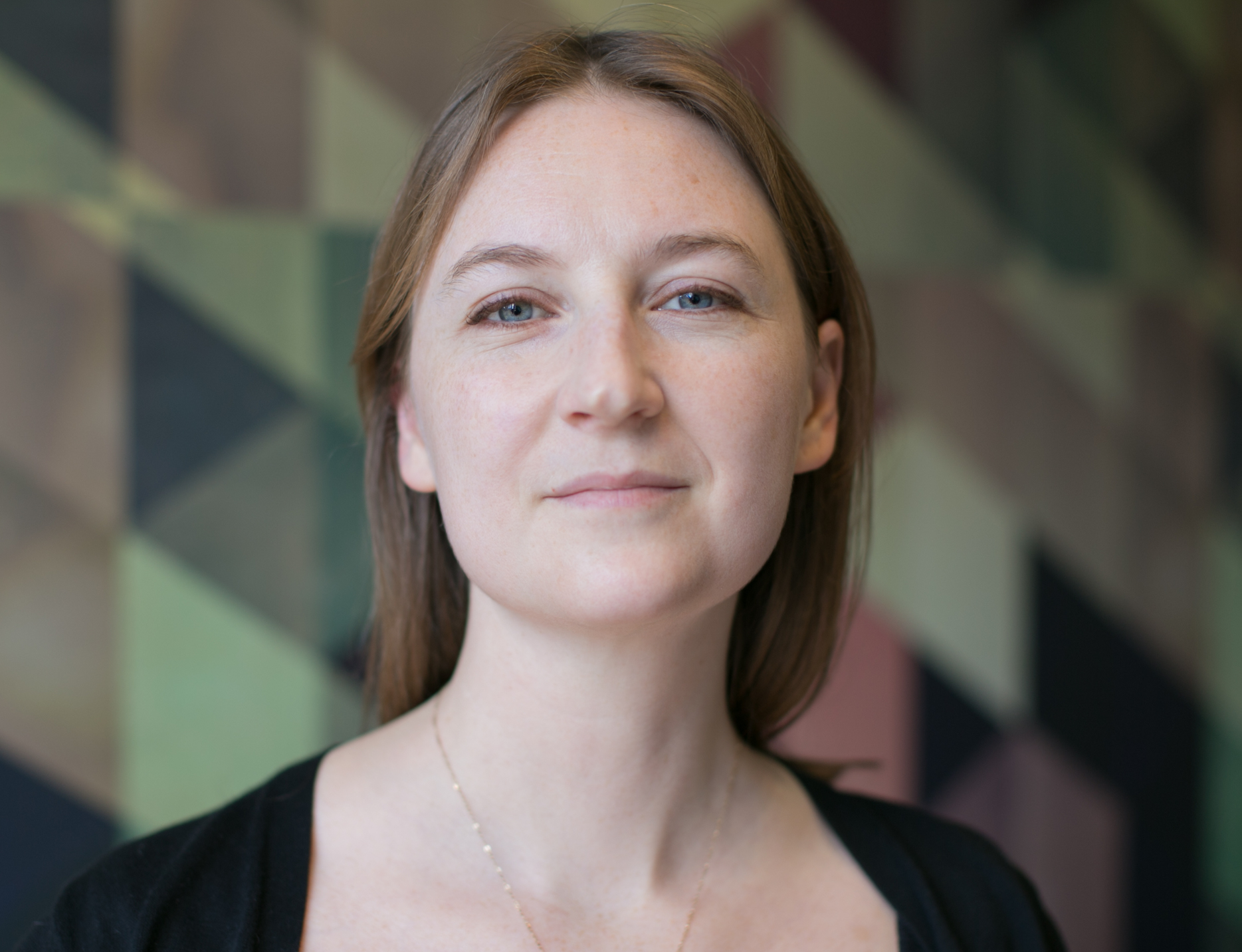
Morgan O’Hara is a cultural historian of cities and the built environment. She has worked at MASS Design Group since 2018, where she conducts research to support built projects and exhibitions, and crafts written work alongside strategy for business development. Her backgrounds in cultural research, public history, and collaborative design have informed her approach to socio-spatial research to develop human-centered histories of urban space and infrastructural systems. For the Fringe Cities project, Morgan conducted longitudinal analyses of small cities in the United States that participated in mid-century urban renewal, and while at the Hudson Valley Office, she was embedded in the public engagement work necessary to craft meaningful community design solutions in Poughkeepsie. Her passion lies in elevating creative and community-driven expressions of lesser-known histories in public space. Morgan studied anthropology at Reed College and graduated from Columbia with a Master's in Historic Preservation. She has served as co-faculty for Studio II in Historic Preservation at Columbia GSAPP since 2021.

Project Team

Justin Brown, Michael Murphy, Morgan O’Hara, Maggie Stern, Caitlin Taylor

Research Interns: Kanna Gibson, Linda Just, Prince Osemwengie, Zhaoyuan Gou

Collaborators

Research, Curation, and Design: MASS Design Group
Graphic Design: Beurskens Projects

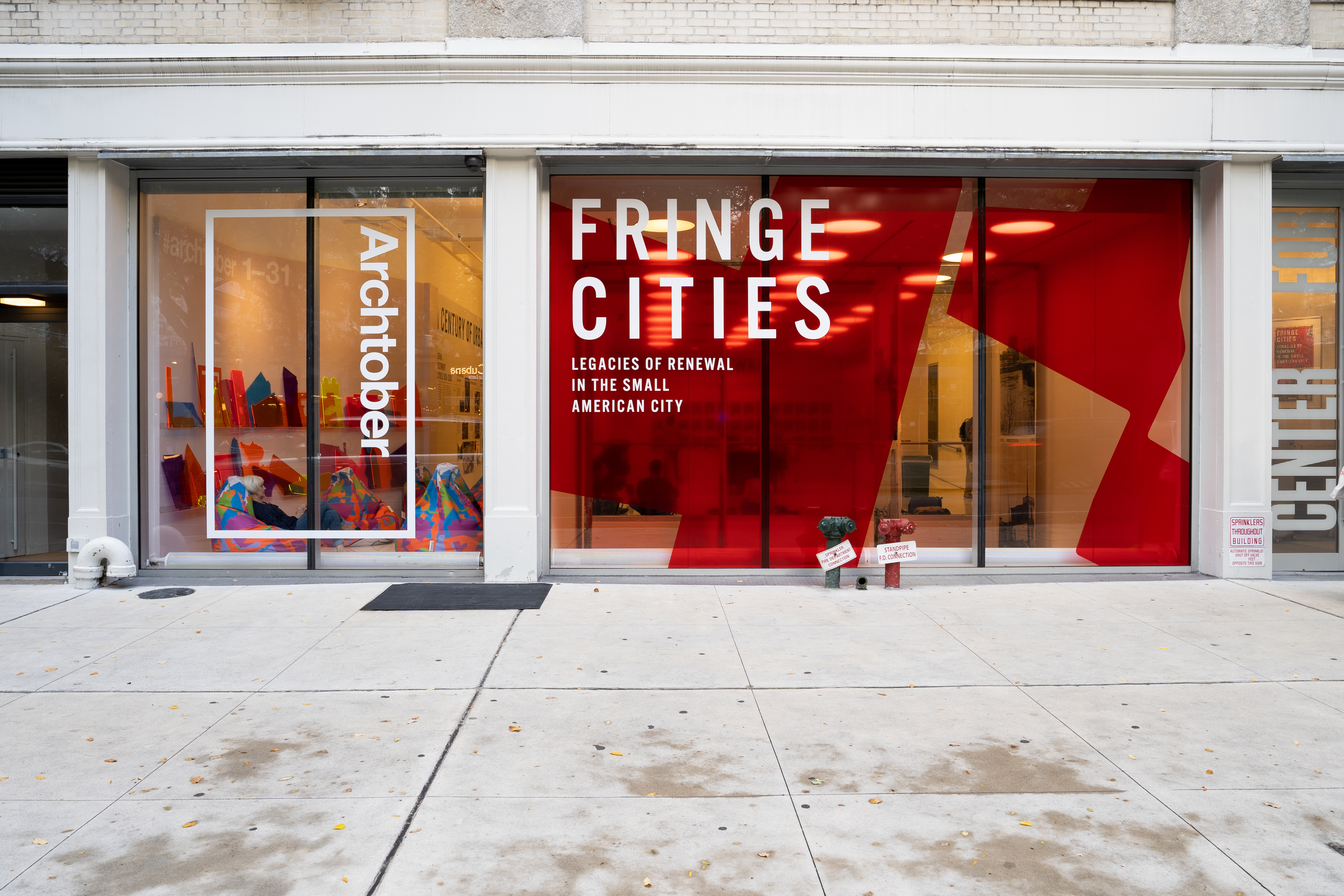
Exterior of the Center for Architecture

© Sam Lahoz

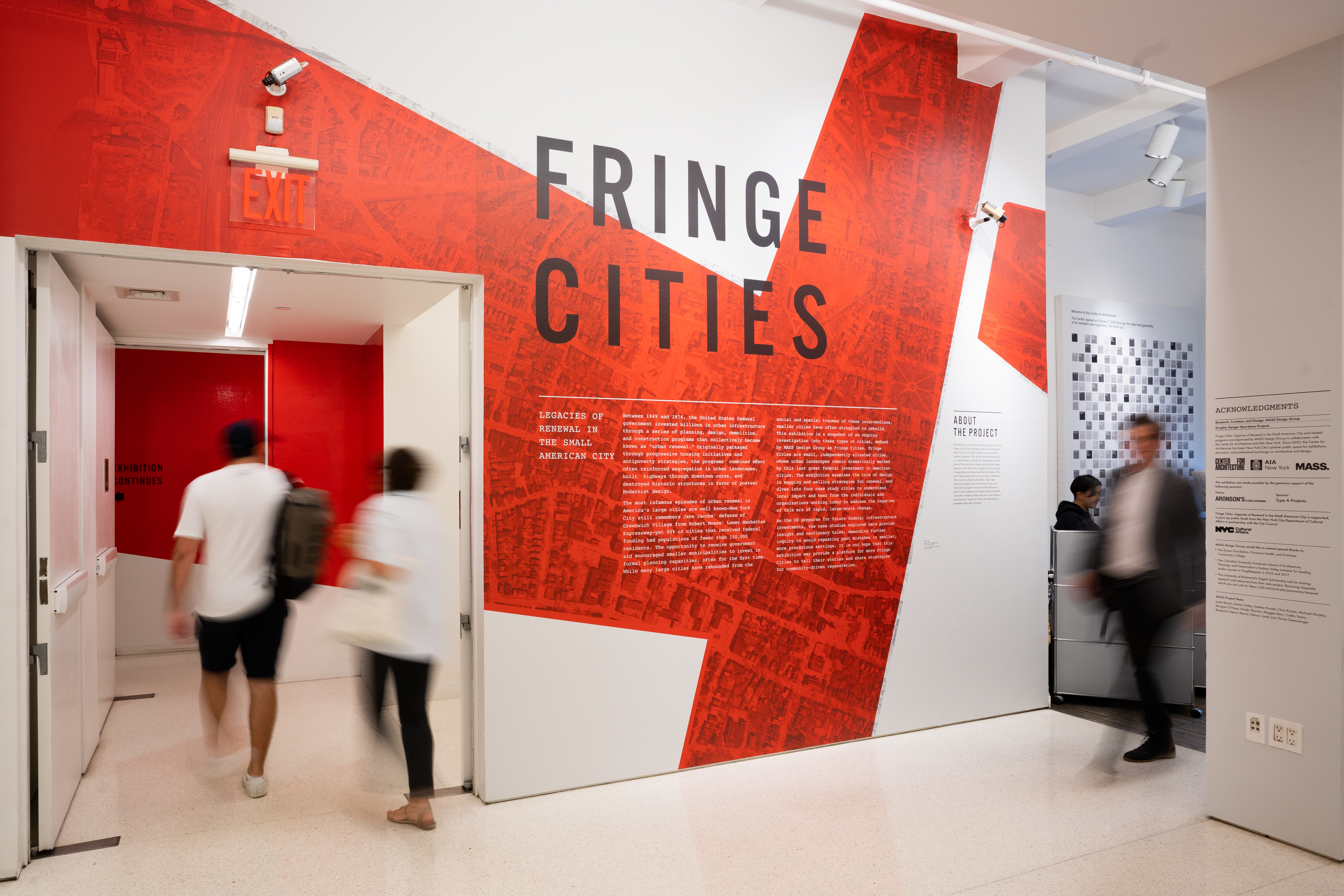
Our exhibition, Fringe Cities: Legacies of Renewal in the Small American City, explores the Fringe City, defined as an independently situated, small city that has been severely impacted by urban renewal. Between 1949 and 1974, the United States federal government invested billions of dollars in urban infrastructure through a series of planning, demolition, and construction programs that are collectively known as “urban renewal.”

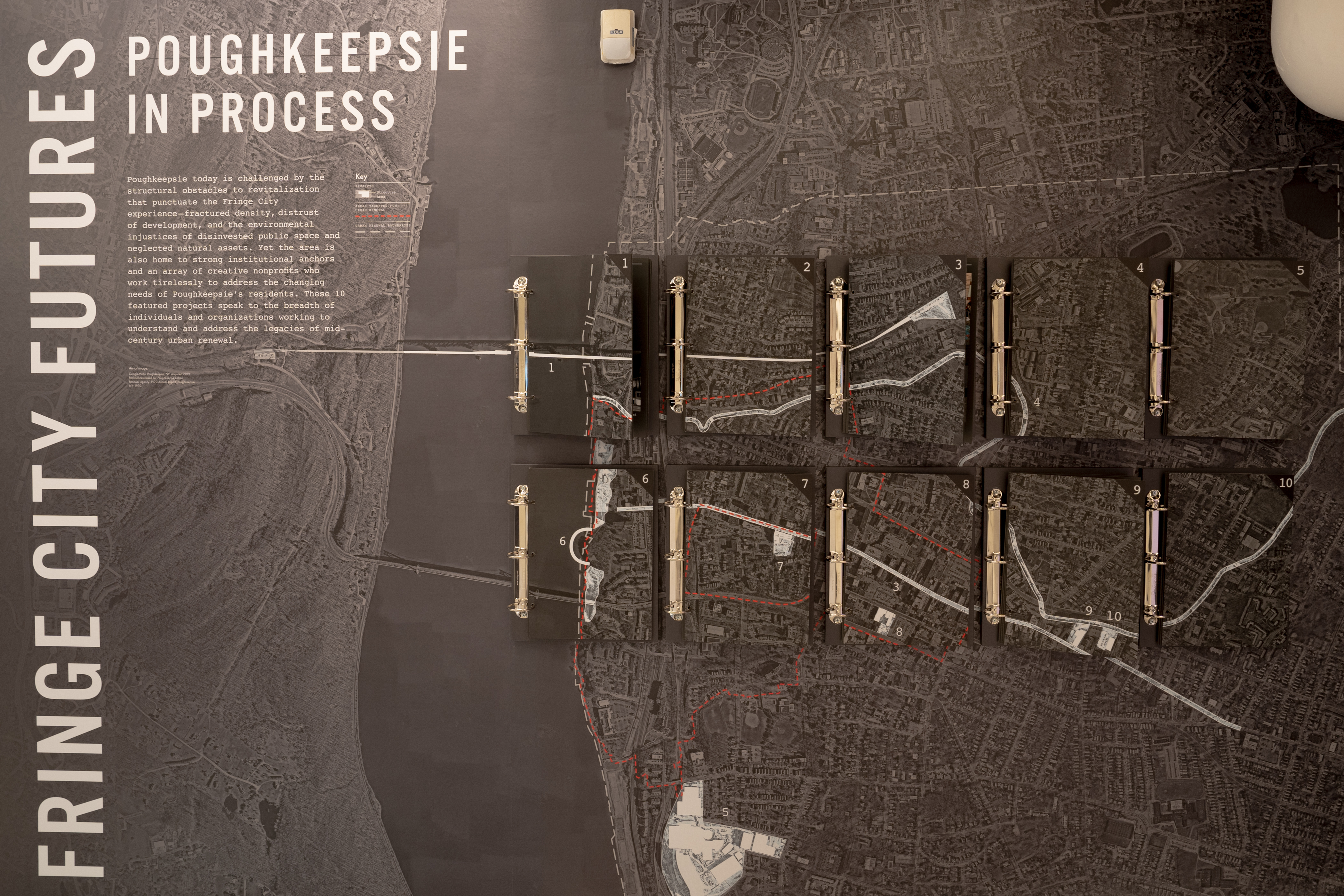
Gallery wall of the Fringe Cities exhibition, showcasing urban renewal in Poughkeepsie New York

© Sam Lahoz

Originally packaged as anti-poverty initiatives, urban renewal often exacerbated existing problems, reinforcing segregation, building highways through downtown cores, and destroying historic structures. While many large cities have rebounded from these social and spatial traumas, smaller cities often continue to struggle with the same problems that urban renewal sought to resolve.

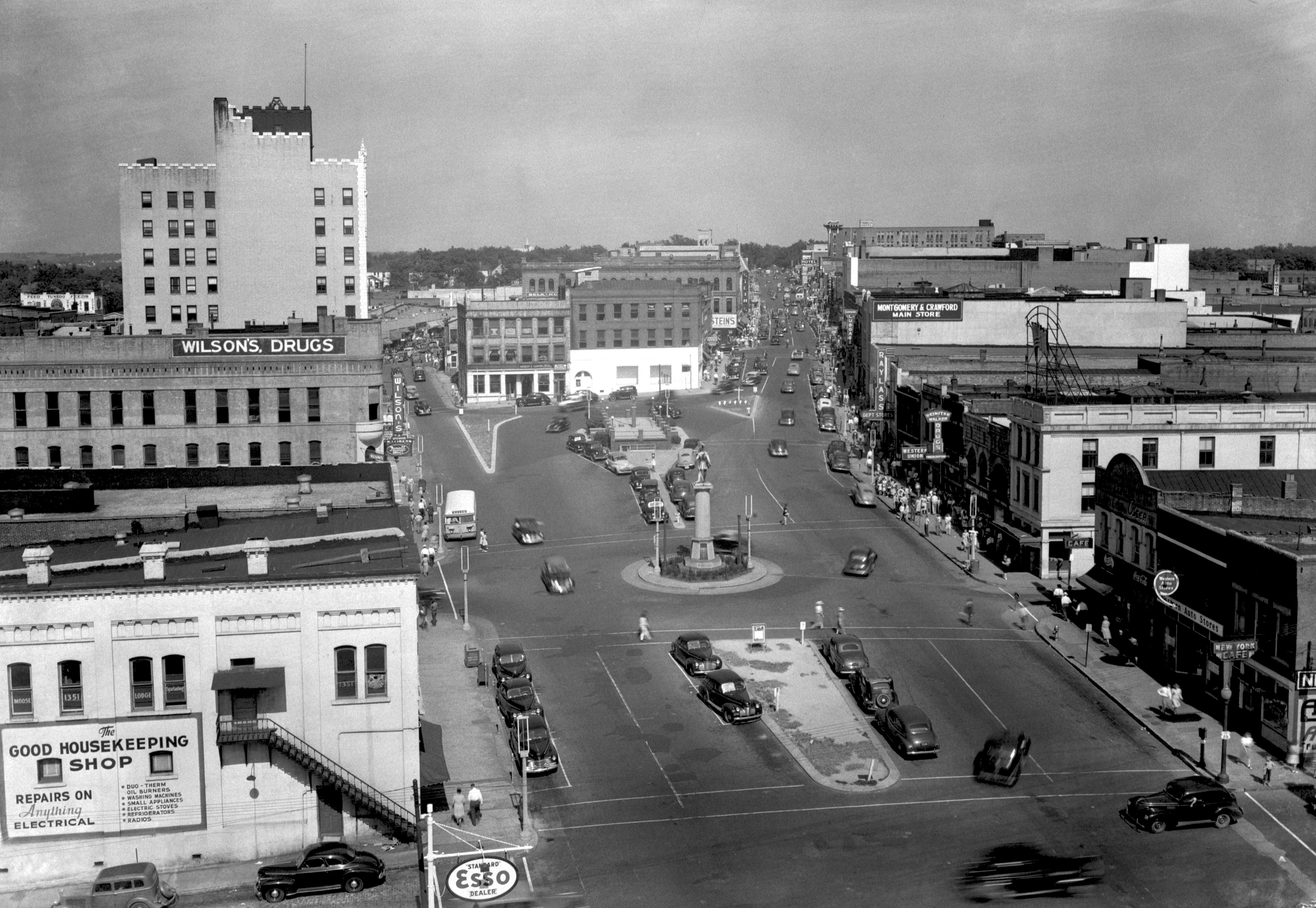
Morgan Square in the 1940s, before demolition and expansion of South Church Street into Route 221.

Morgan Square c.1940 - © Spartanburg County Public Libraries

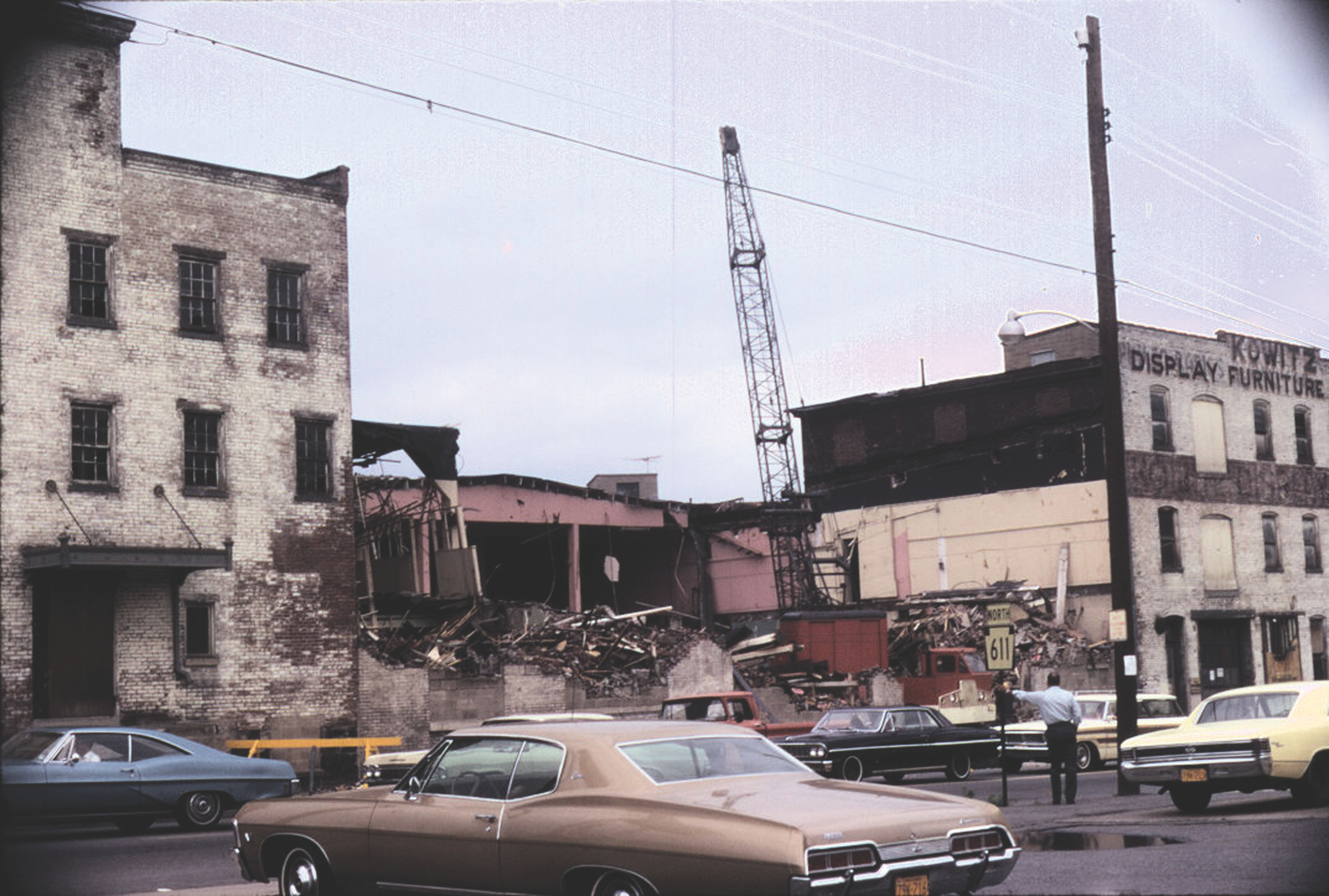
The demolition of the Kowtiz Furniture Store building at 3rd and Riverside Drive to make way for the Riverside Drive Development.

© J. Walter McCracken, courtesy of Easton Public Library

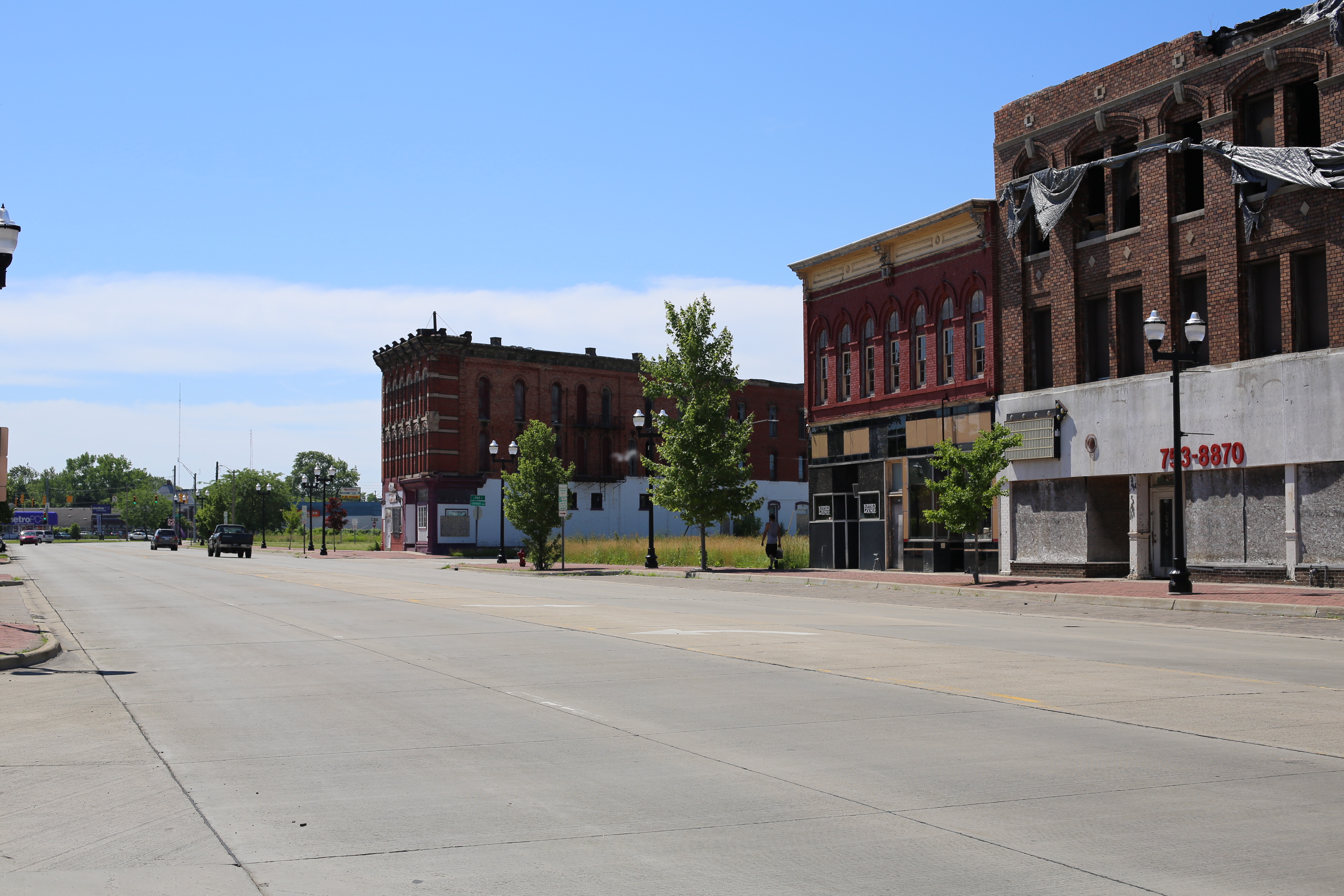
Present day photo of Saginaw, MI

Present day Saginaw, MI - © MASS Design Group

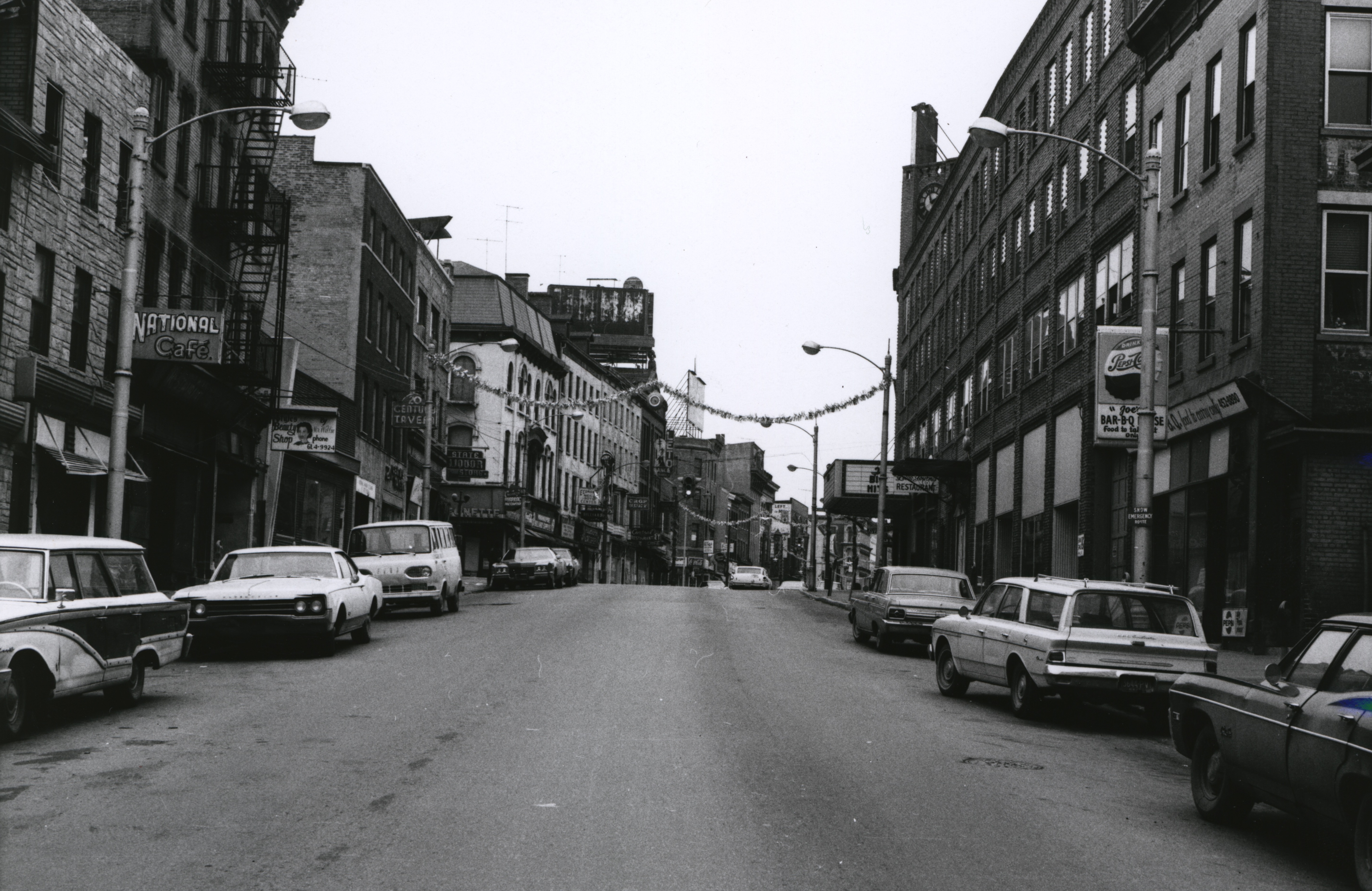
Poughkeepsie Before Urban Renewal, 1970, Main St. and Vassar looking east.

Poughkeepsie, c.1970's - © Poughkeepsie Library District

This exhibition presents a snapshot of our ongoing investigation into the Fringe City, examining the role of design in mapping and selling strategies for renewal, taking a deep dive into four cities—Easton, PA; Saginaw, MI; Spartanburg, SC; and Poughkeepsie, NY—to understand local impact and hear from the organizations working today to address the legacies of this era of rapid, large-scale change.

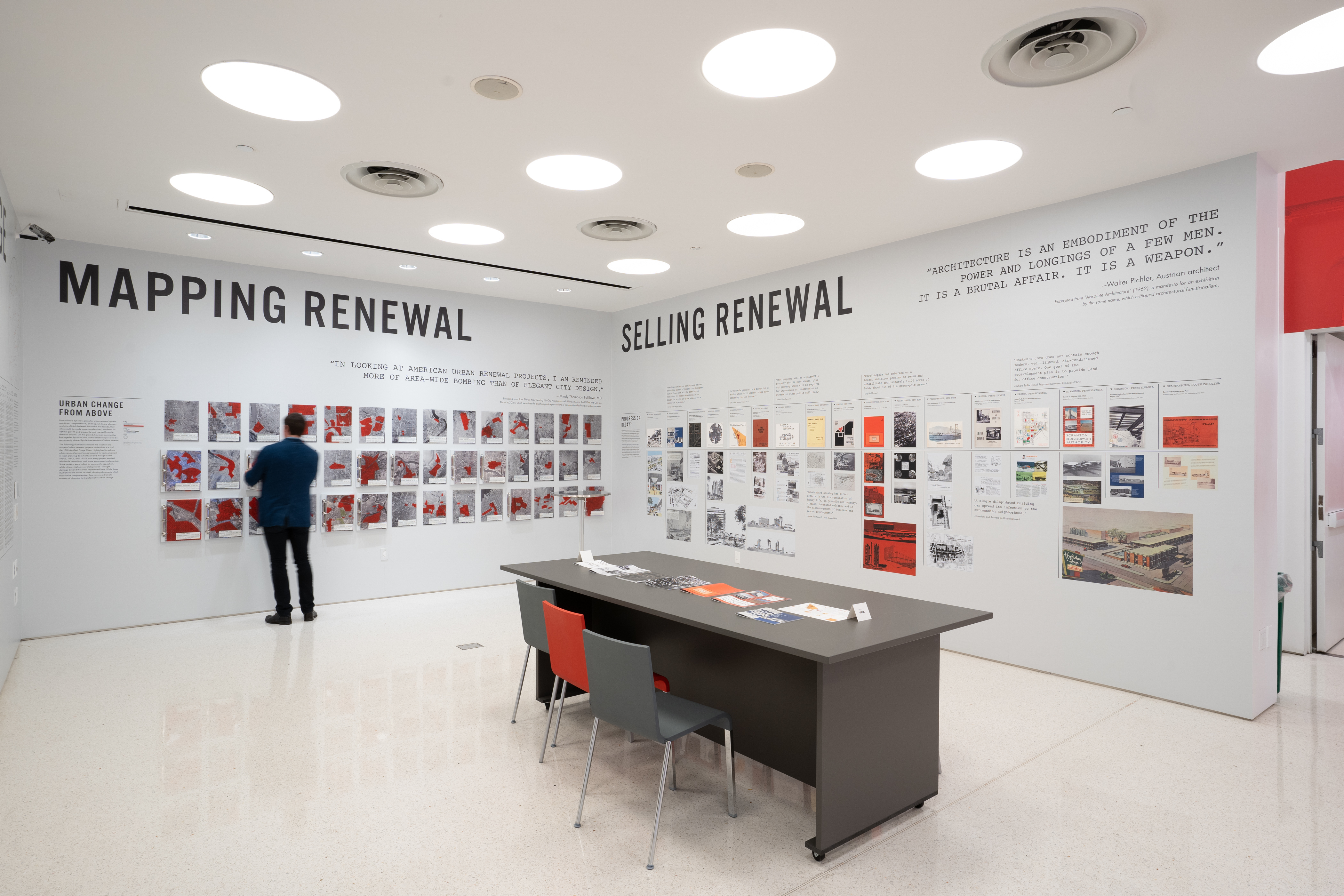
Gallery of the Fringe Cities exhibit

Fringe Cities Exhibition. © Sam Lahoz

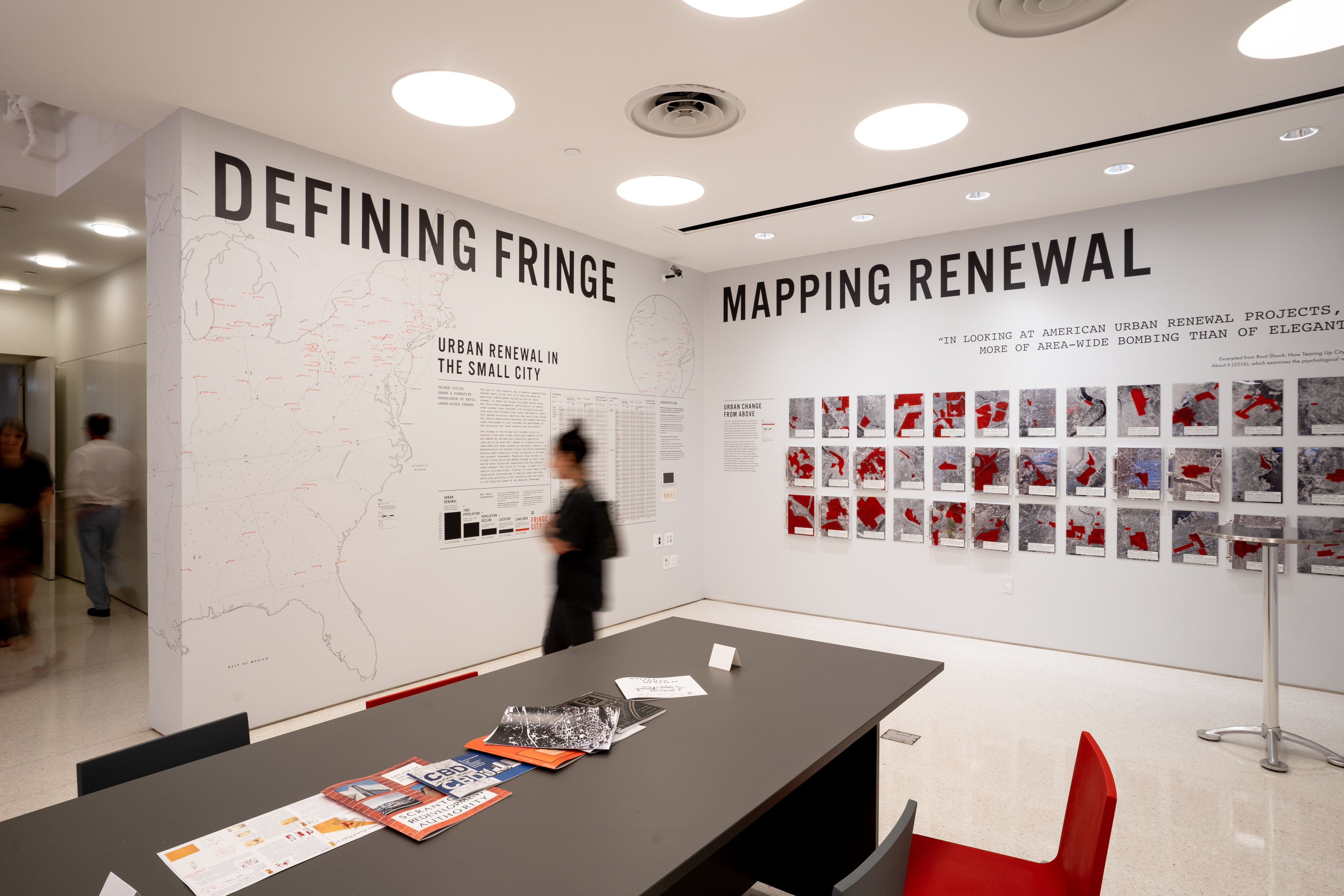
The first floor of the exhibition provides context for defining the Fringe City. A timeline documents the social, economic, and political dimensions of urban transformations in America from 1920 to 2020. A selection of planning documents from this era of urban investment explores the role of designers in selling renewal, through enticing renderings, diagrams, and illustrations of possible futures, many of which would never be realized. Aerial images of 42 of the 100 identified Fringe Cities indicate the location and scope of Urban Renewal projects across small American cities.

Gallery of the Fringe Cities exhibit

© Sam Lahoz

On the lower level, the exhibition examines the four case study cities, providing unique accounts of the Fringe City experience. While Fringe Cities share common narratives of spatial transformation, the impact of these interventions varies across context, from a growing distrust of development in Easton to environmental injustice in Spartanburg and a condition of fractured density in Saginaw. As the site of our Hudson Valley office, and the city we're most familiar with, Poughkeepsie receives the deepest dive. A map of projects led by local agents of change to address the legacies of urban renewal is complemented by original photography of the city by Iwan Baan. While serving as cautionary tales, urging us to avoid repeating past mistakes, these case studies also shed a light on strategies for local, community-driven regeneration.