
Size

Site: 44,000 sq. ft.
Built: 35,000 sq. ft.

Year

2019

Status

Unbuilt

Client

onePulse Foundation

Partners

Little Diversified Architectural Consulting, Ralph Appelbaum Associates, Sasaki, Sanford Biggers, Richard Blanco, Porsha Olayiwola

Alan Ricks, AIA, Int FRIBA

Alan Ricks, AIA, Int FRIBA

Founding Principal & Chief Design Officer

Alan is a Founding Principal and the Chief Design Officer of MASS Design Group. He leads strategy and design of the 100-person firm, which has projects in over a dozen countries that range from design to research to policy—a portfolio that continues to expand the role of design in advancing a more just world.

In 2017 Alan and MASS were awarded the National Design Award for Architecture from the Cooper Hewitt, Smithsonian Design Museum. First launched at the White House in 2000 as an official project of the White House Millennium Council, the annual Awards program celebrates design as a vital humanistic tool in shaping the world, and seeks to increase national awareness of the impact of design through education initiatives.

In 2018 he and MASS received the Arts and Letters Award for Architecture from the American Academy of Arts and Letters. Each year the Academy honors over 70 composers, artists, architects, and writers with awards and prizes. Recipients must be nominated by an Academy member and this year the jury included Annabelle Seldorf, James Polshek, Tod Williams, Billie Tsien, Steven Holl, Kenneth Frampton, and Thom Mayne.

Alan is a member of The Forum of Young Global Leaders with the World Economic Forum, a community of over 800 men and women selected under the age of 40, who operate as a force for good to overcome barriers that elsewhere stand in the way of progress. The community is made up of leaders from all walks of life, from every region of the world, and from every stakeholder group in society.

Currently, he is the William B. and Charlotte Shepherd Davenport Visiting Professor at the Yale School of Architecture and has previously taught at the Harvard Graduate School of Design. He regularly speaks, writes, and creates films focused on the role of architecture in catalyzing social change. Chris Anderson, chief curator of TED, described his TED talk as “a different language about what architecture can aspire to be.”

He has a Bachelor of Arts from Colorado College and a Master of Architecture from the Harvard Graduate School of Design.

Jha D Amazi

Jha D Amazi

Principal — Boston

Jha D is the Director of the Public Memory and Memorials Lab which is an initiative that advances research, training, and built work around a central thesis: spatializing memory can heal us and inspire collective action for generations to come. Projects in the Lab’s portfolio include the Sugar Land 95 Cemetery Revitalization Project, Harris County Remembrance Project and several initiatives with the National Trust for Historic Preservation.

At MASS, Jha D has also contributed to the Gun Violence Memorial Project, Franklin Park Action Plan, and the Louise B. Miller Memorial and Freedom Garden at Gallaudet University. Previously, she worked as a Designer at Sasaki Associates. She received her Bachelor of Science in Architecture from Northeastern University and her Master of Architecture I from the University of Pennsylvania.

Prior to pursuing her graduate degree, she taught design studios at the Boston Architectural College. Outside of architecture, Jha D is a spoken word artist, event producer, and SpaceMaker for the LGBTQ+ communities of color.

Photo of Michael Murphy, Co-founder and CEO of MASS Design Group.

Michael Murphy

Founding Principal & CEO — Boston

Michael Murphy, Int FRIBA, is the Founding Principal and Executive Director of MASS Design Group, an architecture and design collective that leverages buildings, as well as the design and construction process, to become catalysts for economic growth, social change, and justice. Since MASS's beginnings, their portfolio of work has expanded to over a dozen countries and span the areas of healthcare, education, housing, urban development. MASS’s work has been published in over 900 publications and awarded globally. Most recently, MASS has been recognized as the winners of the national Arts and Letters Award for 2017 and the 2017 Cooper Hewitt National Design Award. Michael’s 2016 TED talk has reached over a million views, and was awarded the Al Filipov Medal for Peace and Justice in 2017. MASS's project, the National Memorial for Peace and Justice was named the single greatest work of American architecture in the 21st century. Michael has taught at the Harvard Graduate School of Design, University of Michigan, and Columbia University’s Graduate School of Architecture Planning and Preservation. Michael is from Poughkeepsie, NY, and holds a Master of Architecture from Harvard Graduate School of Design and a Bachelor of Arts from the University of Chicago.

Design Team

Chris Kroner, Gabriel Hernandez Solano, Claire Coletti, David Mutabazi, Nadia Perlepe, Youssef Renzaho, Emma Colley, Thatcher Bean, Victor Iyakermye

Team Roles

Michael Murphy - Principal in Charge
Alan Ricks - Principal / Project Architect
Jha D Amazi - Project Manager
Chris Kroner - Architect
Gabrielle Hernandez Solano - Designer
Claire Coletti - Designer
Thatcher Bean - Film Producer
David Mutabazi - Film Editor

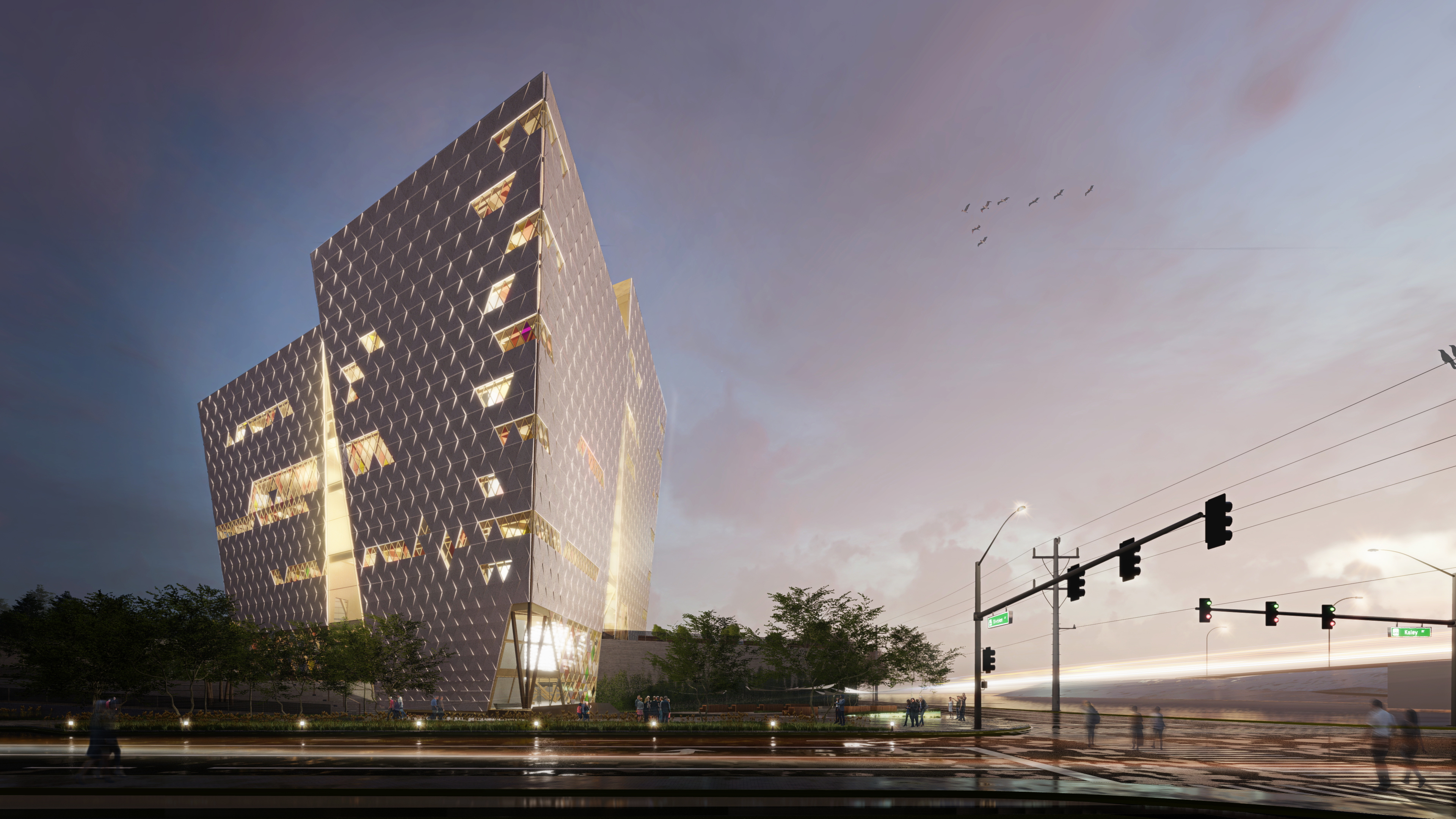
No thing, no tribute, no space will replace the 49 lives lost on June 12, 2016 at the Pulse nightclub. And yet, in tragedy we become something new, we transform. The Pulse community teaches the public what it is to become. To become is not simply to transform from one to another, but to hold a state of multiple identities together in tension. The Pulse Memorial signals a sense of radical hope, honoring the victims, survivors, and first responders of the Pulse nightclub tragedy. A half mile down the street is the Museum for Equality, focused on catalyzing action towards a more just and equal society.

Pulse memorial

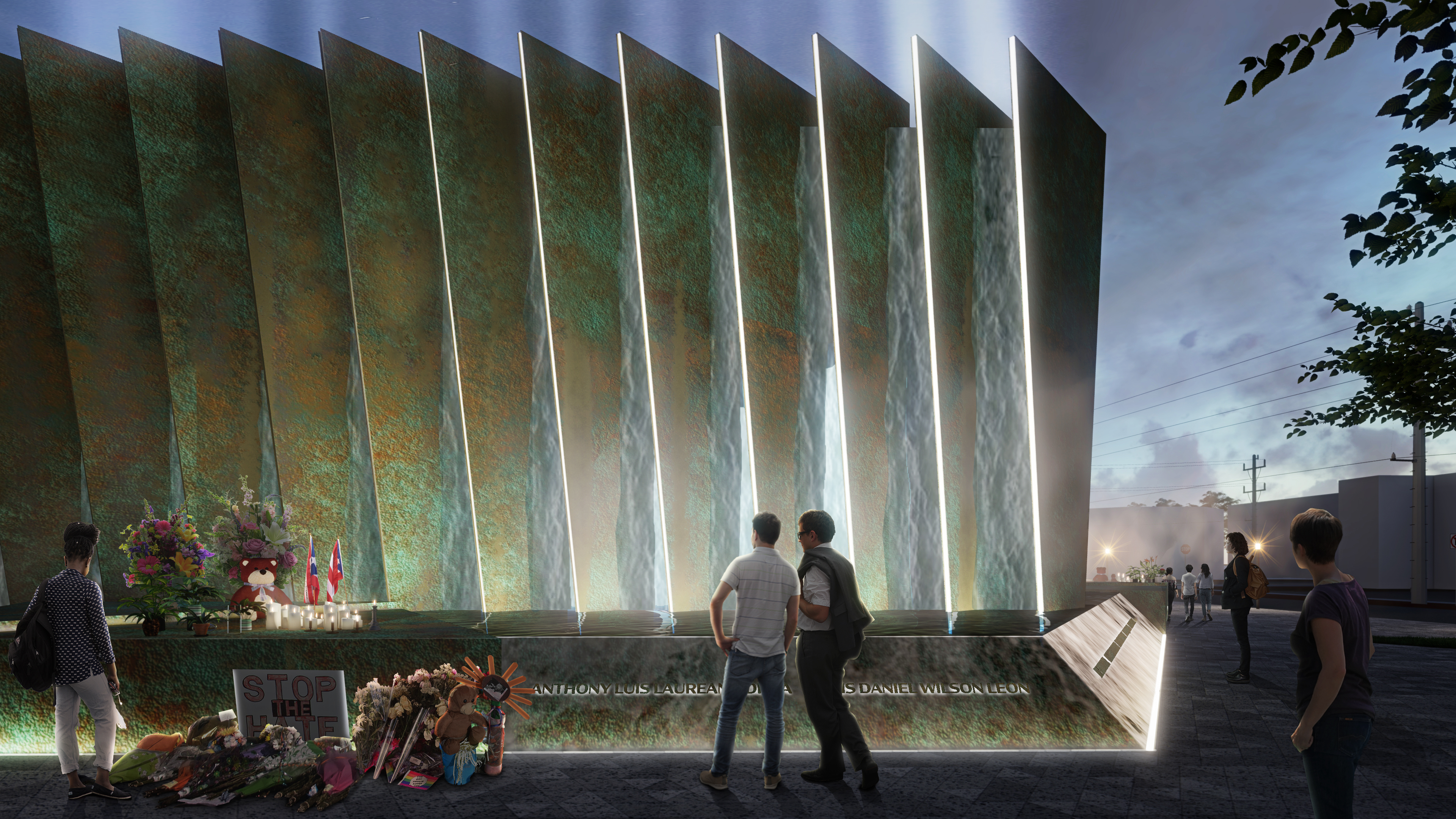
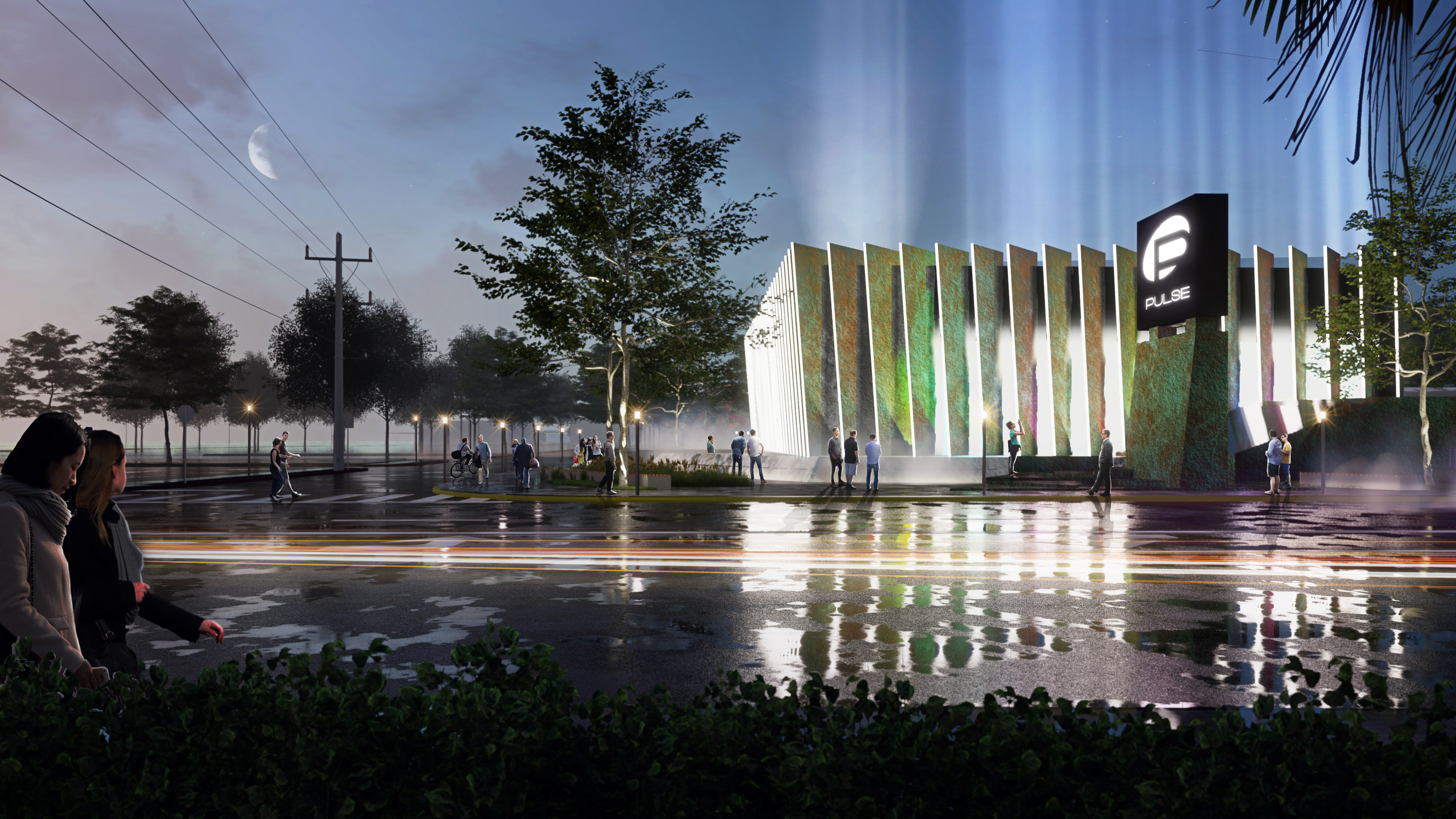
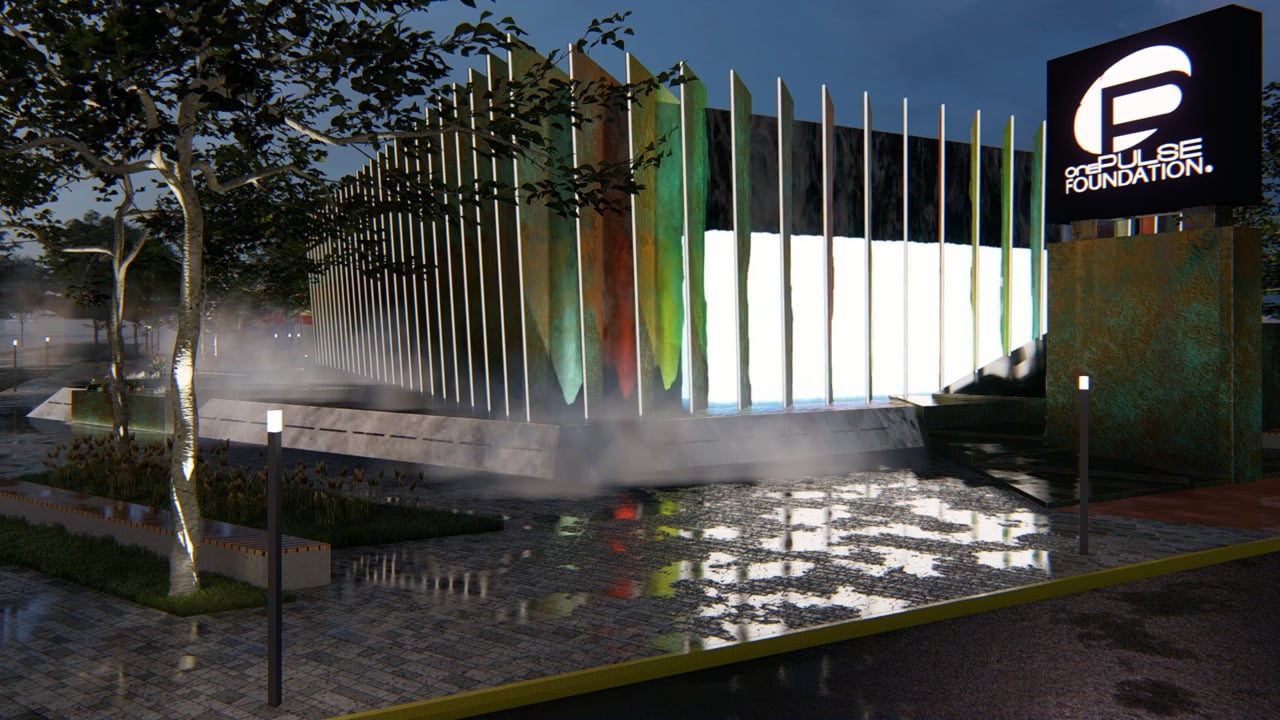
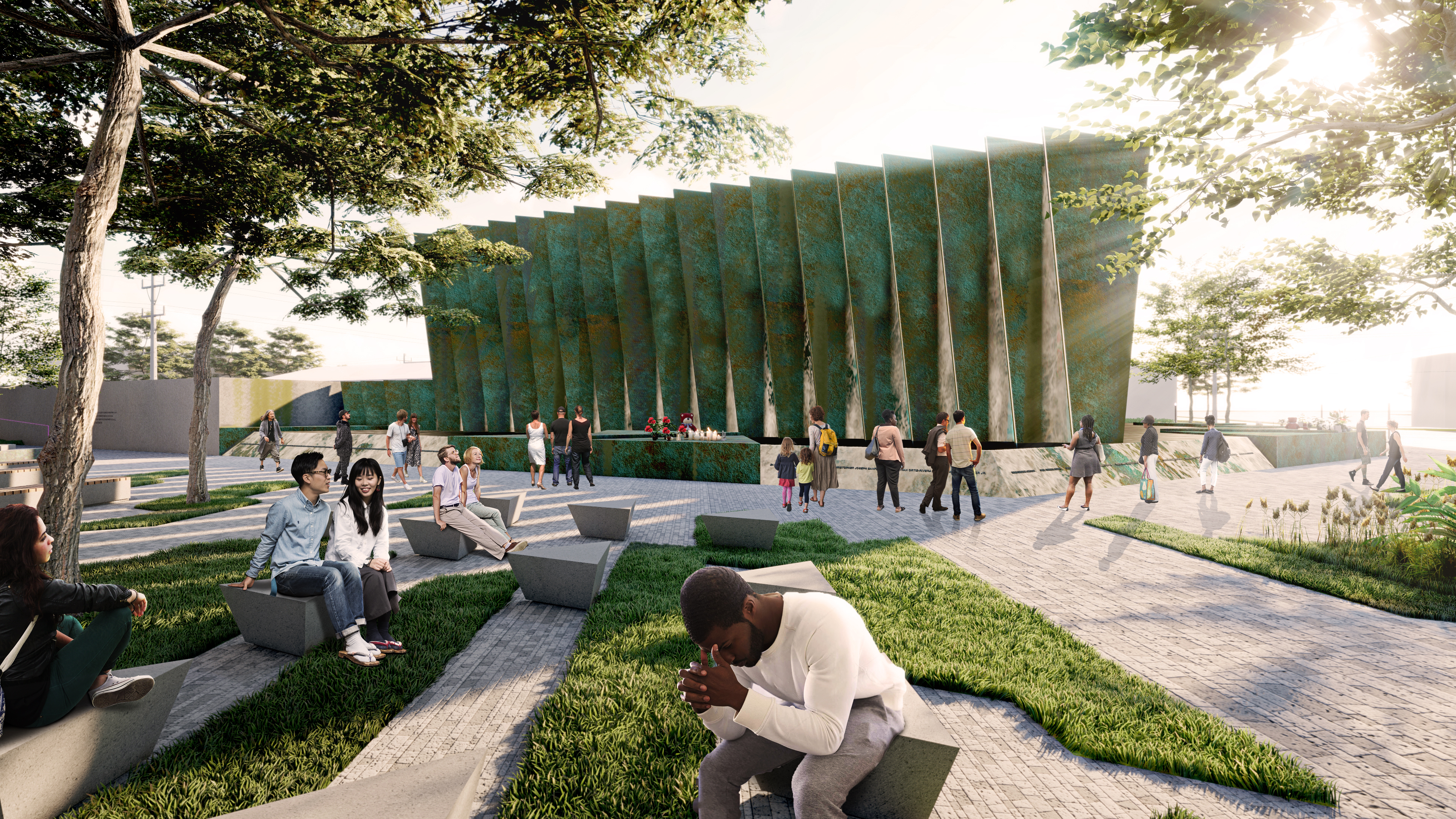
Following the tragedy at the Pulse nightclub, thousands of tributes were left, holding with them the memory of the victims. Committed to protecting these talismans and to honoring the ongoing healing process of the Pulse community, we decided to protect the nightclub structure, and leave it untouched as decisions around what to do with the structure continue to be debated. Thus, our memorial is a shroud of pillars around the nightclub, over which water rains down and the names stand on the chamfered edge of an elevated plinth. We are not convinced that an elaborate gravesite with names and dates does justice to these victims, so these are altars, spaces to welcome and receive tributes.

Pulse memorial

Water washes down around these altars, and beneath the names of the 49. The water cools the air and blocks the sound of traffic on Orange Avenue. The pillars are made of weathering copper, intentionally selected for its changing quality. 49 of these pillars light up at night. The nightclub is also illuminated, visible through the water, we see and feel its volume and presence but cannot engage it.

Pulse memorial

On key dates, beacons of light, visible from the pulse district, are emitted honoring victims, survivors, and first responders. Sound artists will create a piece that is not only audible, but physical, we will literally feel the Pulse, the cadence of 150 beats per minute. In many traditions, that which is obscured or enshrouded is ultimately the most powerful, sacred, and revered.

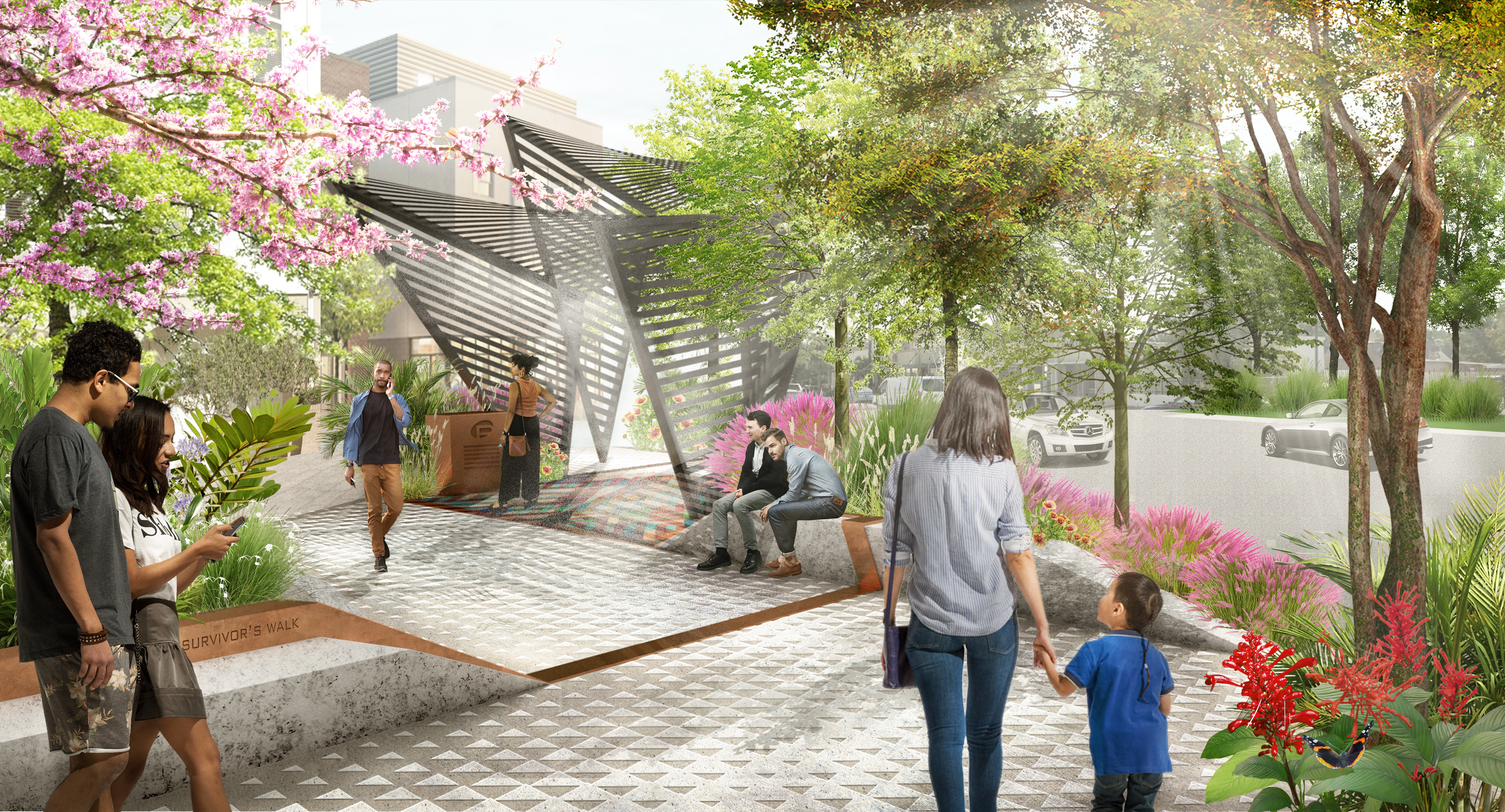
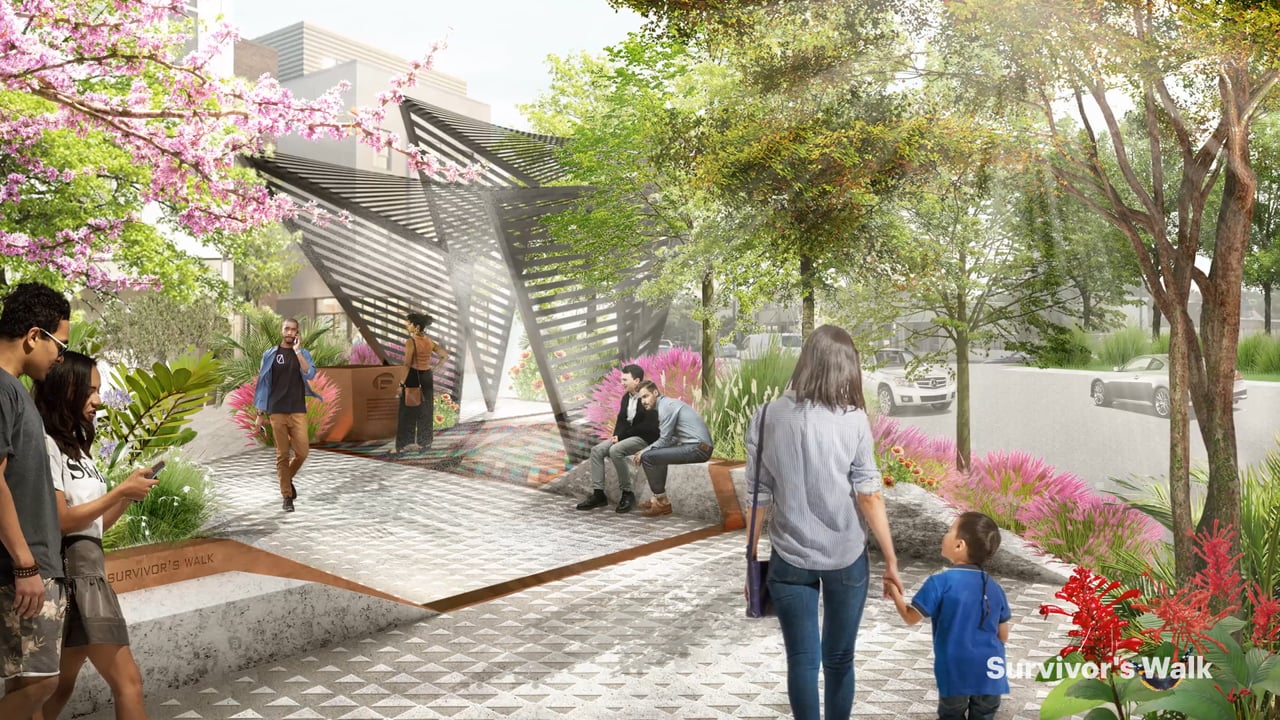
The broader site is a contemplative public realm. An amphitheater can hold space to celebrate and convene. It lifts above a comfort station working as an acoustical buffer to Kaley Street, creating a sacred ground for first responders. The survivor's garden offers a space of respite and reflection with seating amongst the canopy of existing trees. We imagine at times of the year, specifically on June 12th, this space can be inhabited by survivors to imagine themselves together with the angels, paying tribute to them. We believe these victims deserve a public place of ritual and memory, and a place for their stories to live on and to incite us to action.

As Pulse survivor Brandon Wolf says: “Honor them with action, instead of shrinking with fear, we must rise to the challenge. Empower young people. Protest injustice. Live proudly and unashamed. Now is the time for us to honor the ones we’ve lost too soon not with words, but with courage, strength, and action.”