

Year

2016

Status

Completed

Client

Malawi Ministry of Health, The Presidential Initiative for Safe Motherhood, University of North Carolina - Malawi

Services

Research

Patricia Gruits, RA, LEED AP

Patricia Gruits, RA, LEED AP

Senior Principal & Managing Director — Boston

"I believe that the built environment impacts our lives and we can design the process to create positive social change."

Patricia Gruits is a Senior Principal with MASS Design Group leading both design and research projects in health, education, and equity. Since joining MASS in 2013, she has led the design of the Maternity Waiting Village in Malawi with the Malawi Ministry of Health, the African Leadership University, a series of primary schools in East Africa with the African Wildlife Foundation and the MSquared Foundation, and the development the Ellen DeGeneres Campus of the Dian Fossey Gorilla Fund.

Currently, Patricia leads design and research initiatives at MASS with a focus on planning, design, and evaluation. Her work is aimed at engaging and empowering stakeholders in the design process; supporting and substantiating the impact of design on health, social, and environmental outcomes; and translating research into design strategies and decision-making. She has coordinated the creation of the Purpose Built series— a set of tools for creating impact-driven design— and has implemented this approach in the design of affordable housing, healthcare, and urban design projects around the globe. Patricia has also managed a range of design projects aimed at proving the impact of the built environment on individual and community health in the United States, including a collaboration with the mayor’s working group to address issues of homelessness, addiction and recovery in Boston and partnered with community development corporations to create affordable and supportive housing.

Patricia collaborated with the Joint Center of Housing Studies at Harvard to create guidelines for Safe Interaction in Senior Affordable Housing in response to COVID-19, and has lectured at the Harvard School of Public Health as a part of the USAID sponsored Airborne Infection Control course. She has taught design studios focusing on social impact at the Boston Architectural College and RISD. Her work has been published in journals of architecture and health and was recently awarded the “Top 40 under 40” for Sustainable Design by Impact Design Hub.


Amie Shao

Amie Shao

Principal

Amie Shao is a Principal with MASS Design Group, where she oversees research focusing on health infrastructure planning, design, and evaluation. Amie also leads the MASS.Made team in interior design, including space planning, testing and fabrication, and furniture design for office and healthcare spaces. Her work is aimed at engaging and empowering stakeholders in the design process; creating human-centered environments that are functional, adaptable, and mission-driven; supporting and substantiating the impact of design on health, social, and environmental outcomes; and and translating research into guidelines that can be used to advocate for policy change.

Currently, Amie is supporting the firm’s COVID-19 research and leading Maternal Health projects with IHI and PATH in Africa and South Asia. Blending human-centered design practices with evidence-based research, Amie has collaborated with Ariadne Labs and the Robert Wood Johnson Foundation to investigate the Impact of Design on Clinical Care in Childbirth, worked with the Cincinnati Children’s Hospital to design for the spatial needs of children with Cerebral Palsy, and coordinated the production of National Health Infrastructure Standards for the Liberian Ministry of Health.

Prior to joining MASS, Amie worked for the Office for Metropolitan Architecture in Beijing, WORK Architecture Company in New York City, and EnSitu, S.A. in Panama. Amie received her Master of Architecture and a Certificate in Urban Policy & Planning from Princeton University.

Measuring design’s influence on user satisfaction

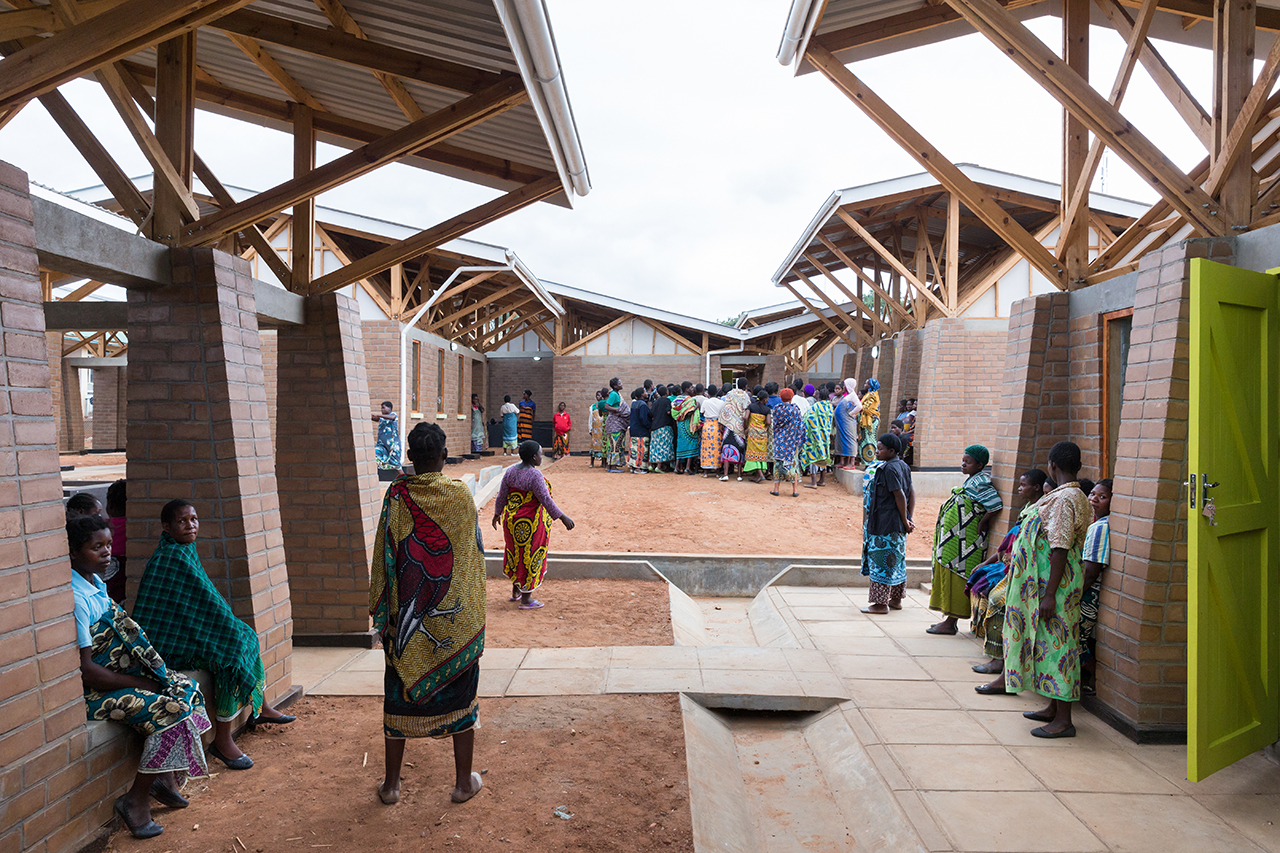
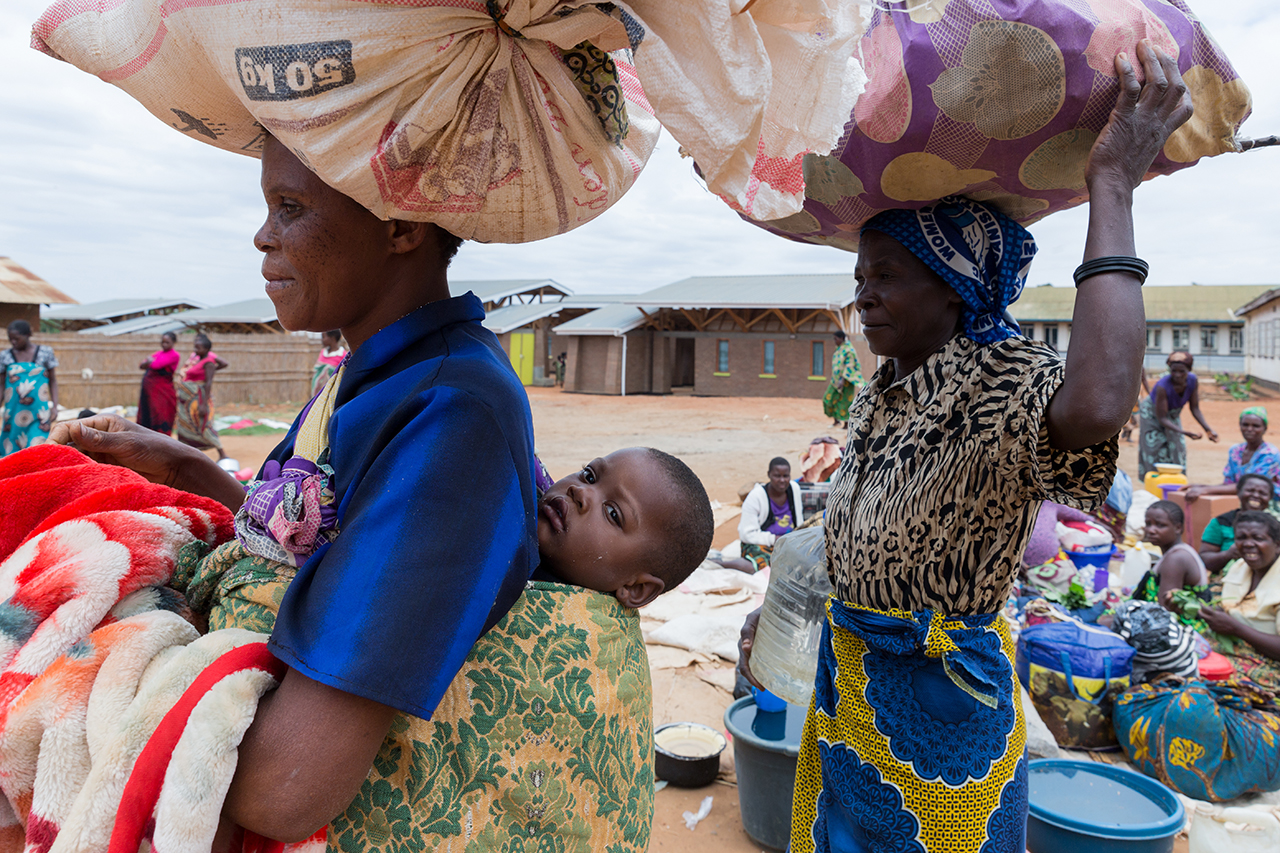
Maternity Waiting Homes (MWHs), which seek to encourage safer, facility-based deliveries by housing high-risk and near-term pregnant mothers near health facilities that provide obstetrical care, are becoming a common strategy to reduce maternal and infant mortality, meaning that many are being built throughout sub-Saharan Africa at a rapid pace.

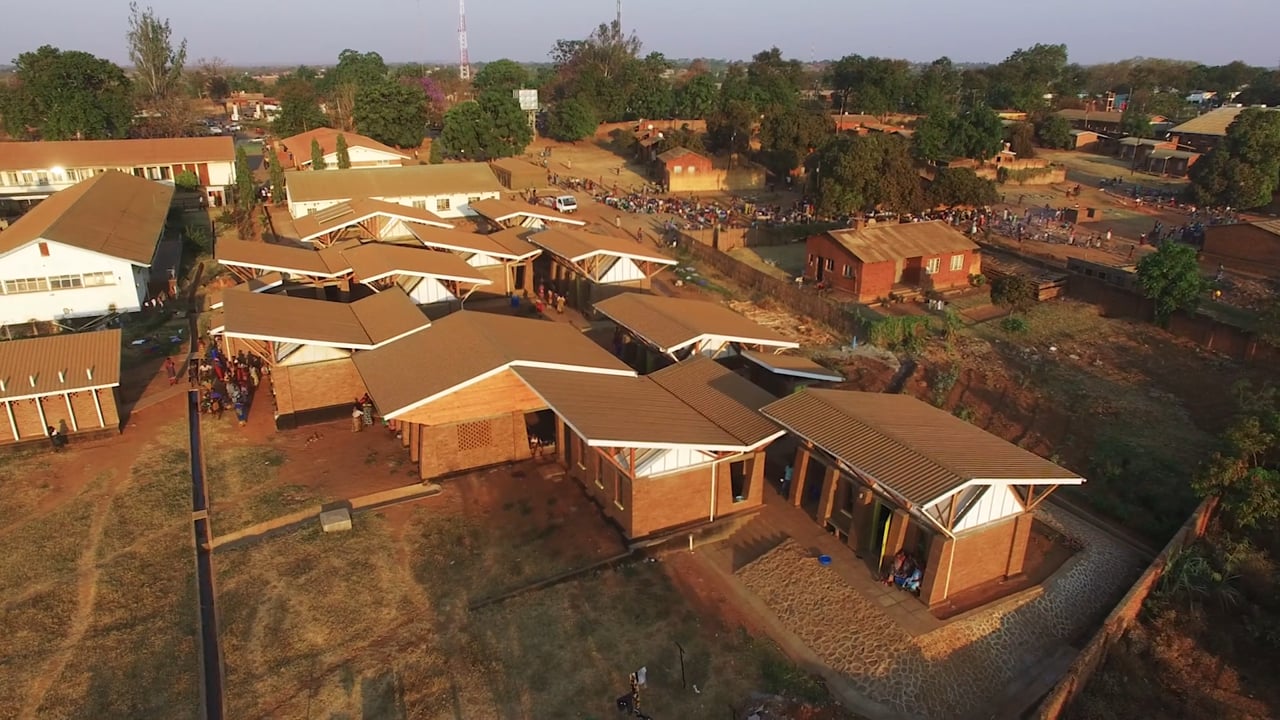
The Maternity Waiting Village in Kasungu, Malawi—designed by MASS and completed in fall 2015—provides a unique opportunity to evaluate how the design of a MWH influences user satisfaction and use. MASS is conducting a quantitative research study to compare the Kasungu Maternity Waiting Village with the standard Ministry of Health prototype, to determine how design performance measures (like comfort, privacy, and attractiveness) create an improved experience for mothers, leading to increased use and subsequent deliveries, ultimately resulting in improved maternal and neonatal outcomes.

Results will contribute to the literature regarding how building design impacts patient satisfaction and use. Additionally, results will provide policymakers and leaders with valuable information to help them make informed decisions about MWH design so as to maximize their use.

The results of this research were published in Midwifery (Vol. 62), pp. 96-103
.