

Size

Build: 7,212 sq. ft. / 670 sq. m.

Year

2015

Status

Completed

Client

Malawi Ministry of Health, The Presidential Initiative for Safe Motherhood, University of North Carolina - Malawi

Partners

Malawi Ministry of Health, The Presidential Initiative for Safe Motherhood, University of North Carolina - Malawi, The Gates Foundation, The Autodesk Foundation

Christian Benimana

Christian Benimana, RA

Senior Principal & Managing Director — Kigali

Christian Benimana joined MASS Design Group as a Global Health Corps Design Fellow in 2010. Today, Christian works as one of the firm's Senior Principals and Managing Directors, and is Director of the African Design Centre, a field-based apprenticeship that is set to empower leaders who will design a more equitable, just, and sustainable world. At MASS, he has been involved with design/build projects, development initiatives, operational and administration leadership. Christian has been listed among 10 architects and designers that are championing Afrofuturism and 2017 Quartz Africa Innovators. He has authored articles and book chapters including Re-Thinking the Future of African Cities in The African Perspective Magazine and Creating Design Leaders: The African Design Centre in Public Interest Design Education Guidebook.

Christian has taught at the Architecture School of the former Kigali Institute of Science and Technology (KIST) and his goal is to develop the next generation of African designers with socially-focused design principles. Before joining MASS, he worked with LongiLat Architecture and Research in Shanghai assisting with the Porsche Center in Shanghai and the Netherlands Pavilion in the 2010 International Expo. Christian holds a Bachelor of Science in Architecture from the School of Architecture and Urban Planning (CAUP) of Tongji University in Shanghai, China (2008), and has served as the Secretary General of the East Africa Institute of Architects.

Patricia Gruits, RA, LEED AP

Patricia Gruits, RA, LEED AP

Senior Principal & Managing Director — Boston

"I believe that the built environment impacts our lives and we can design the process to create positive social change."

Patricia Gruits is a Senior Principal with MASS Design Group leading both design and research projects in health, education, and equity. Since joining MASS in 2013, she has led the design of the Maternity Waiting Village in Malawi with the Malawi Ministry of Health, the African Leadership University, a series of primary schools in East Africa with the African Wildlife Foundation and the MSquared Foundation, and the development the Ellen DeGeneres Campus of the Dian Fossey Gorilla Fund.

Currently, Patricia leads design and research initiatives at MASS with a focus on planning, design, and evaluation. Her work is aimed at engaging and empowering stakeholders in the design process; supporting and substantiating the impact of design on health, social, and environmental outcomes; and translating research into design strategies and decision-making. She has coordinated the creation of the Purpose Built series— a set of tools for creating impact-driven design— and has implemented this approach in the design of affordable housing, healthcare, and urban design projects around the globe. Patricia has also managed a range of design projects aimed at proving the impact of the built environment on individual and community health in the United States, including a collaboration with the mayor’s working group to address issues of homelessness, addiction and recovery in Boston and partnered with community development corporations to create affordable and supportive housing.

Patricia collaborated with the Joint Center of Housing Studies at Harvard to create guidelines for Safe Interaction in Senior Affordable Housing in response to COVID-19, and has lectured at the Harvard School of Public Health as a part of the USAID sponsored Airborne Infection Control course. She has taught design studios focusing on social impact at the Boston Architectural College and RISD. Her work has been published in journals of architecture and health and was recently awarded the “Top 40 under 40” for Sustainable Design by Impact Design Hub.

Jean Paul Sebauhayi Uwase

Jean Paul Sebuhayi Uwase

Principal — Kigali

"I am a believer that everyone deserves beautiful Architecture, and it is my duty as an Architect to best serve the community."

Jean Paul Sebuhayi joined MASS in 2013 and currently serves as a Principal in the Kigali office. He holds a Bachelor of Architecture from the Kigali Institute of Science and Technology and is a registered architect with the Rwanda Institute of Architects. Having been educated in the first class of architects in Rwanda where the numbers are still quite small, he believes that everyone deserves to experience beautiful design. Thus, he strives to best serve the community through consultation and engagement early in the design process.
At MASS, Jean Paul has led multidisciplinary teams to create sustainable designs for the Regional Centre of Excellence in Biomedical Engineering and eHealth, the Rwanda Institute for Conservation Agriculture in Rwanda, and Samajik Health Science Institute & Research Centre in Dhaka, Bangladesh. He has also supported design teams as an Architect for various other projects such as the Kigali Genocide Memorial, Masaka Affordable Housing, Butaro Doctors’ Sharehousing, and the Butaro Cancer Center of Excellence. Currently, Jean Paul is also supporting the team to carry out construction administration of the Regional Centre of Excellence in Biomedical Engineering and eHealth and Munini District Hospital, the first implementation of National design standards designed by MASS for Rwanda’s Ministry of Health in 2014.

Project Team

Kyle Barker, Christian Benimana, Patricia Gruits, John Maher, Michael Murphy, Alan Ricks, Jean Paul Sebuhayi Uwase, Matt Swaidan

Collaborators

Architect of Record: Sam Ngoma
Landscape Design: MASS Design Group
Structural Engineers: MASS Design Group with Tim White from Arup and Peace Misinde
MEP Engineers: Aaron Chikuse and Mazzetti

Maternal mortality due to complications during childbirth remains a major global problem. In 2010 in Malawi, about one in thirty-six women had a lifetime risk of dying during pregnancy or delivery, largely from preventable causes. Maternal waiting homes have been used to increase access to skilled professionals located adjacent to health centers. These facilities provide a monitored space for expectant mothers starting from their thirty-sixth week until their delivery. The president of Malawi initiated an effort in 2012 to build 130 such facilities across the country.

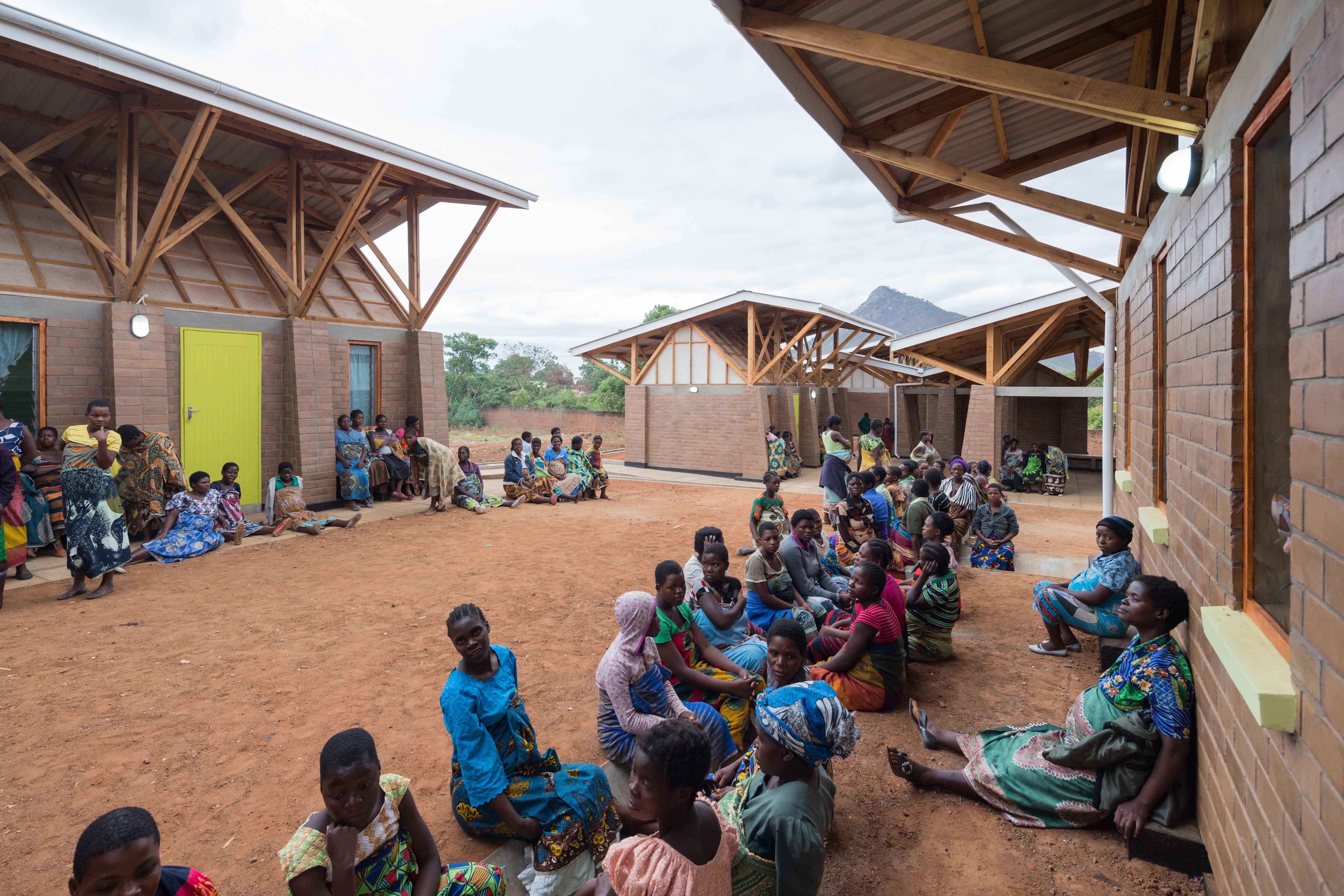
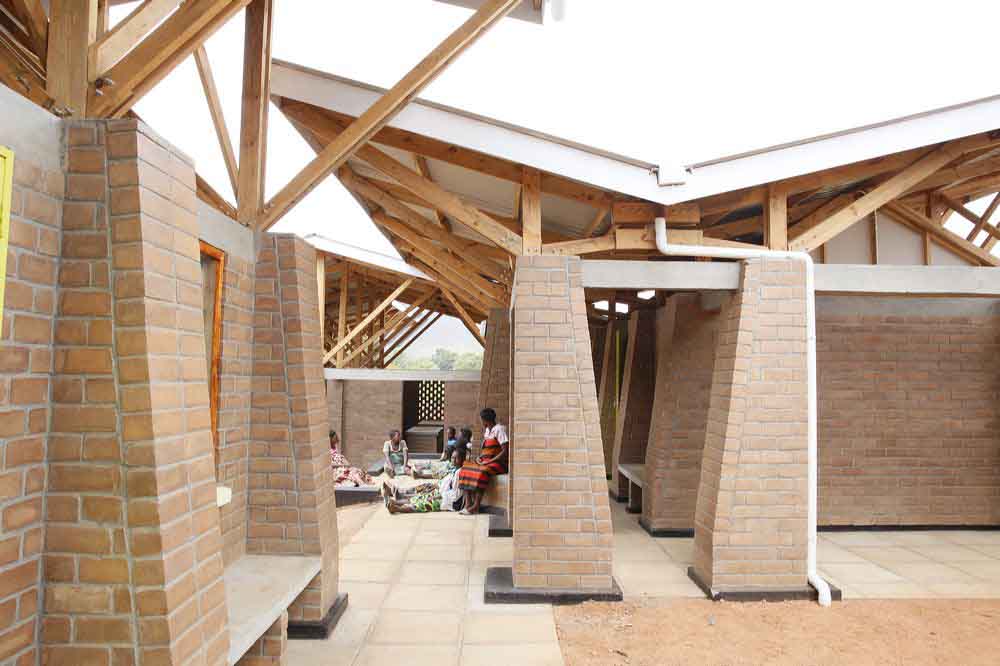
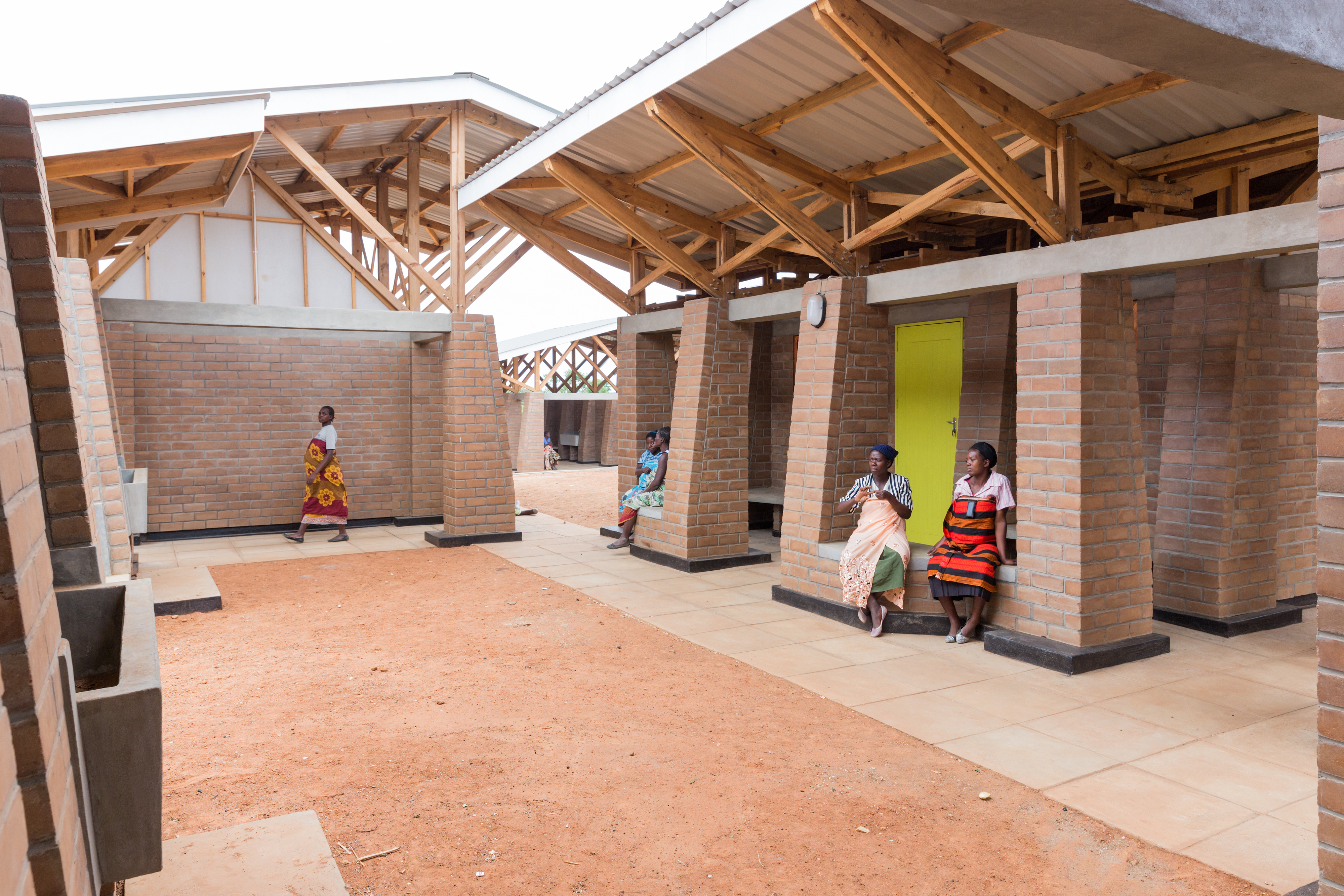
Photo of Maternity Waiting Village, Photo by Iwan Baan, Courtyard and gathering space

© Iwan Baan

The University of North Carolina Project-Malawi had been supporting a hospital in Kasungu, Malawi. As part of their partnership with the ministry, the initiative committed to building two new homes and invited MASS to partner in the country.

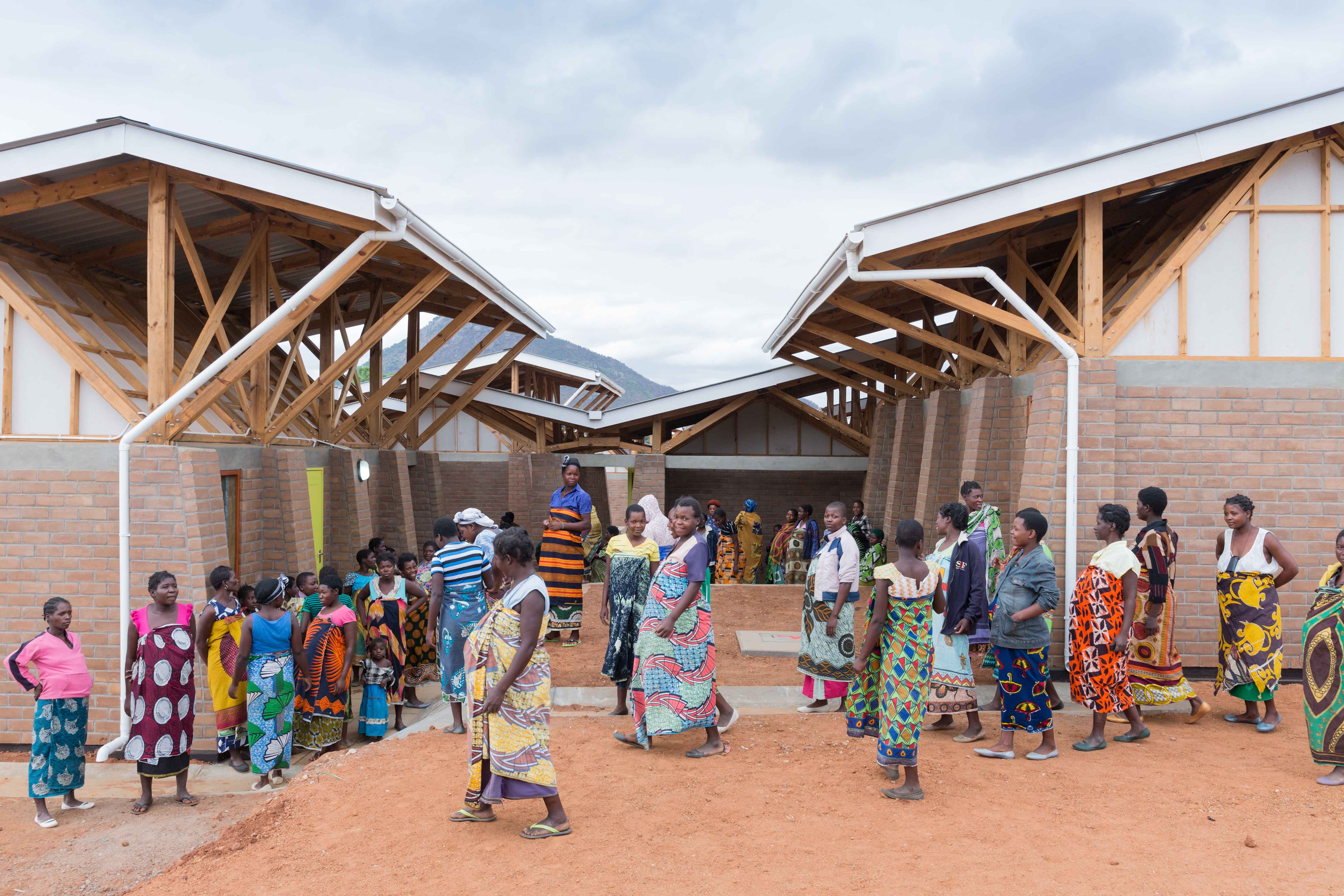
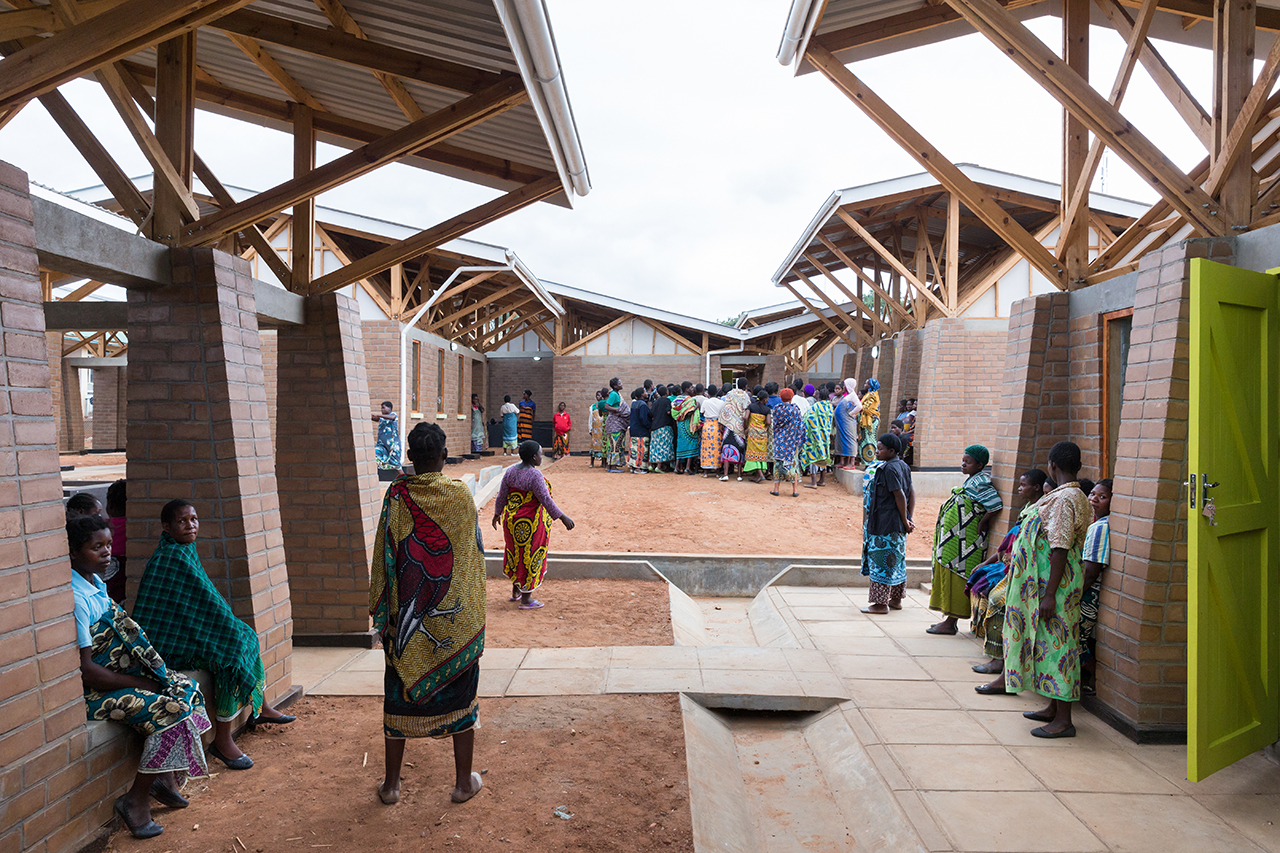
Photo of Maternity Waiting Village, Photo by Iwan Baan, Mothers gather in a courtyard

© Iwan Baan

The existing prototype was a single-room, barrack-like structure that did not provide adequate daylight, ventilation, or sanitation. Additionally, it could not accommodate patient attendants who traveled with the mothers, and its lack of programming failed to provide prenatal and daily living care. As a result, many women were leaving and going back to their own homes, rather than completing their pregnancy at the facility.

Photo of Maternity Waiting Village, Photo by Iwan Baan, Maternity Waiting Village

© Iwan Baan

Photo of Maternity Waiting Village, Photo by Iwan Baan, Maternity Waiting Village

© Iwan Baan

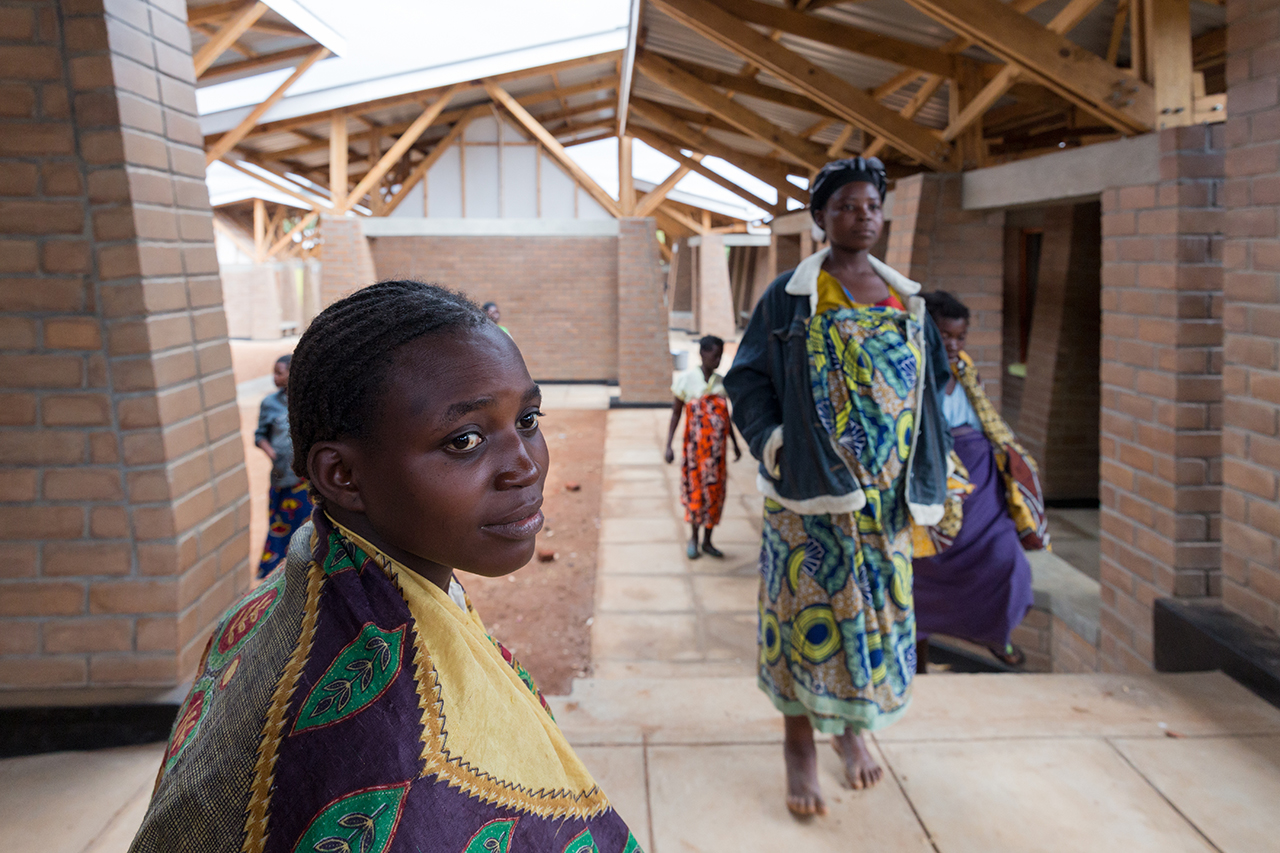
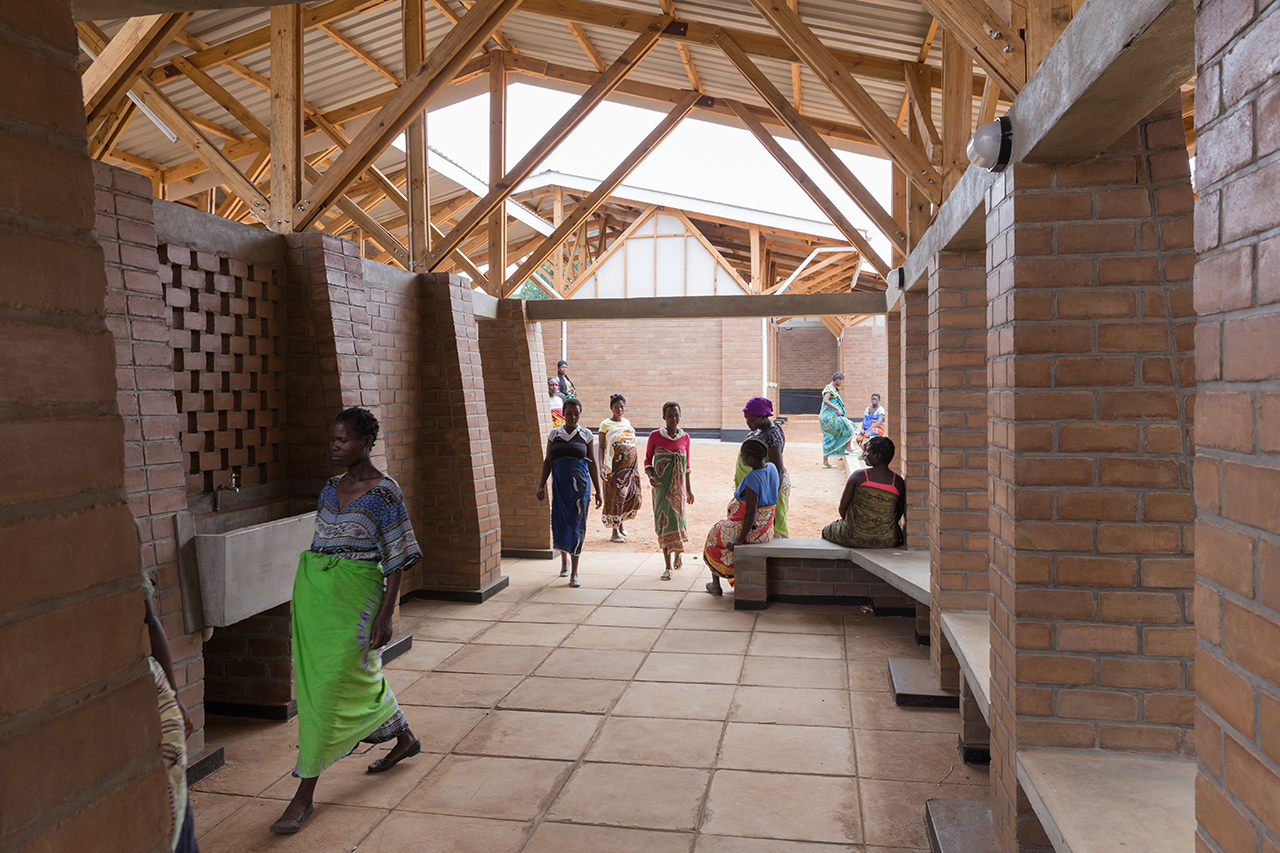
Photo of Maternity Waiting Village, Photo by Iwan Baan, Maternity Waiting Village hallway

© Iwan Baan

MASS worked with doctors, nurses, and expectant mothers at the Kasungu facility to propose a new prototype: the Maternity Waiting Village.

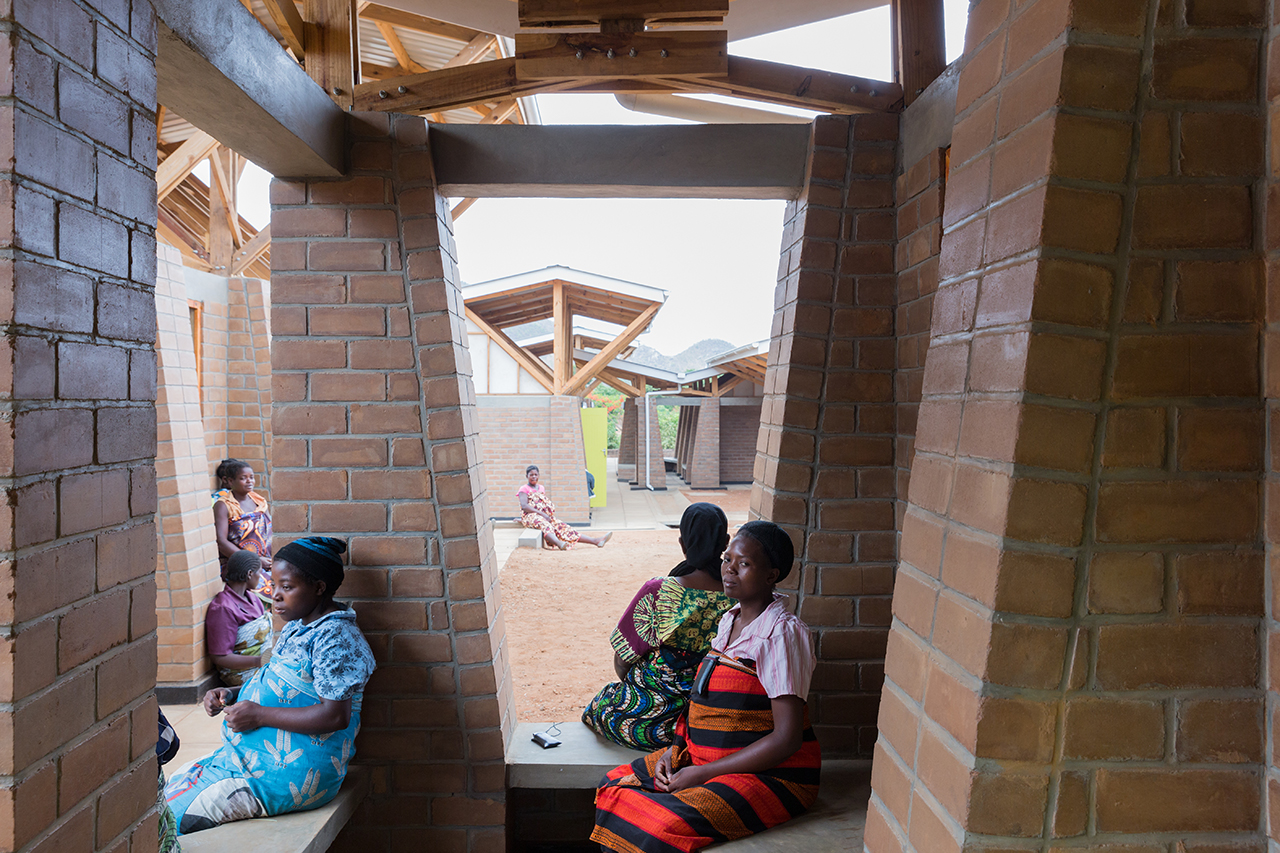
Photo of Maternity Waiting Village, Photo by Iwan Baan, Mothers sit with each other

© Iwan Baan

Photo of Maternity Waiting Village, Photo by Iwan Baan, Maternity Waiting Village

© Iwan Baan

Photo of Maternity Waiting Village, Photo by Iwan Baan, Maternity Waiting Village

© Iwan Baan

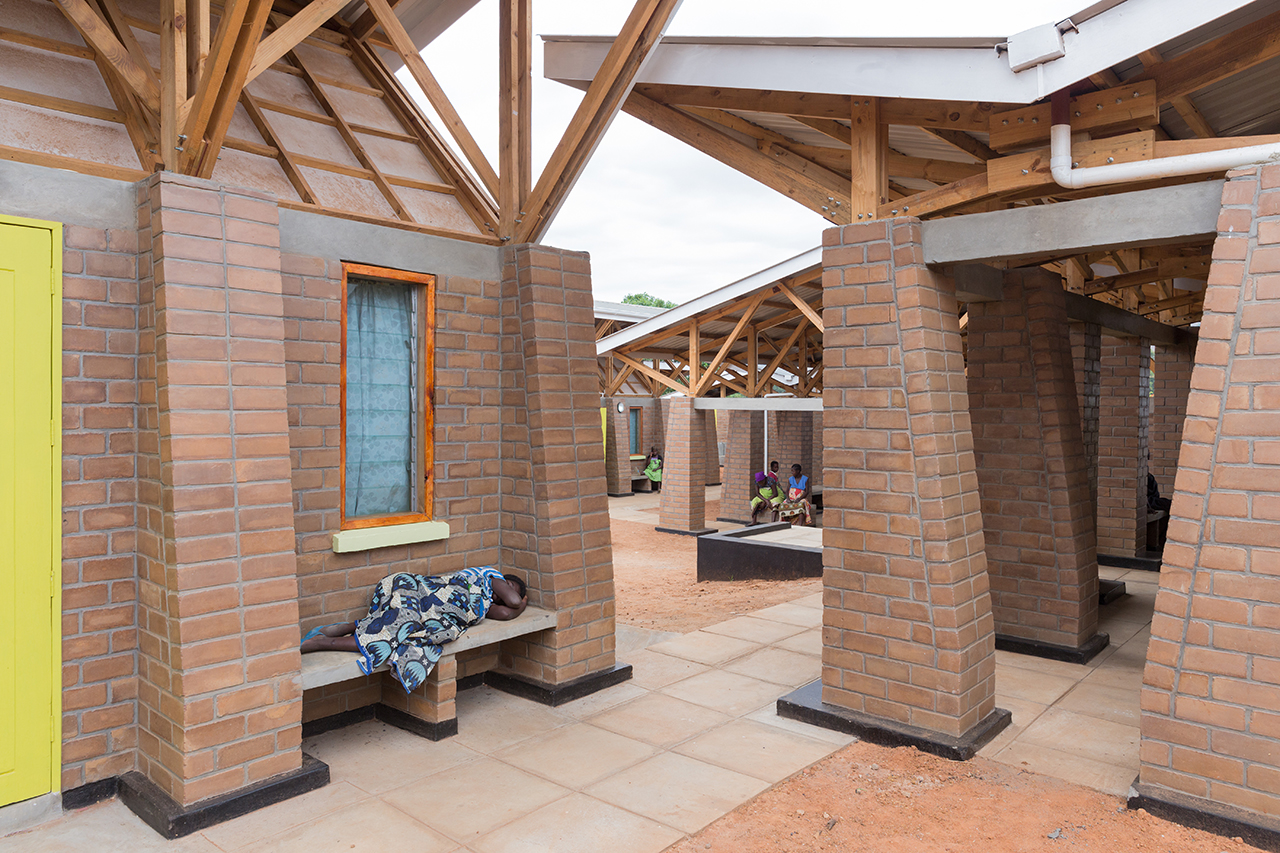
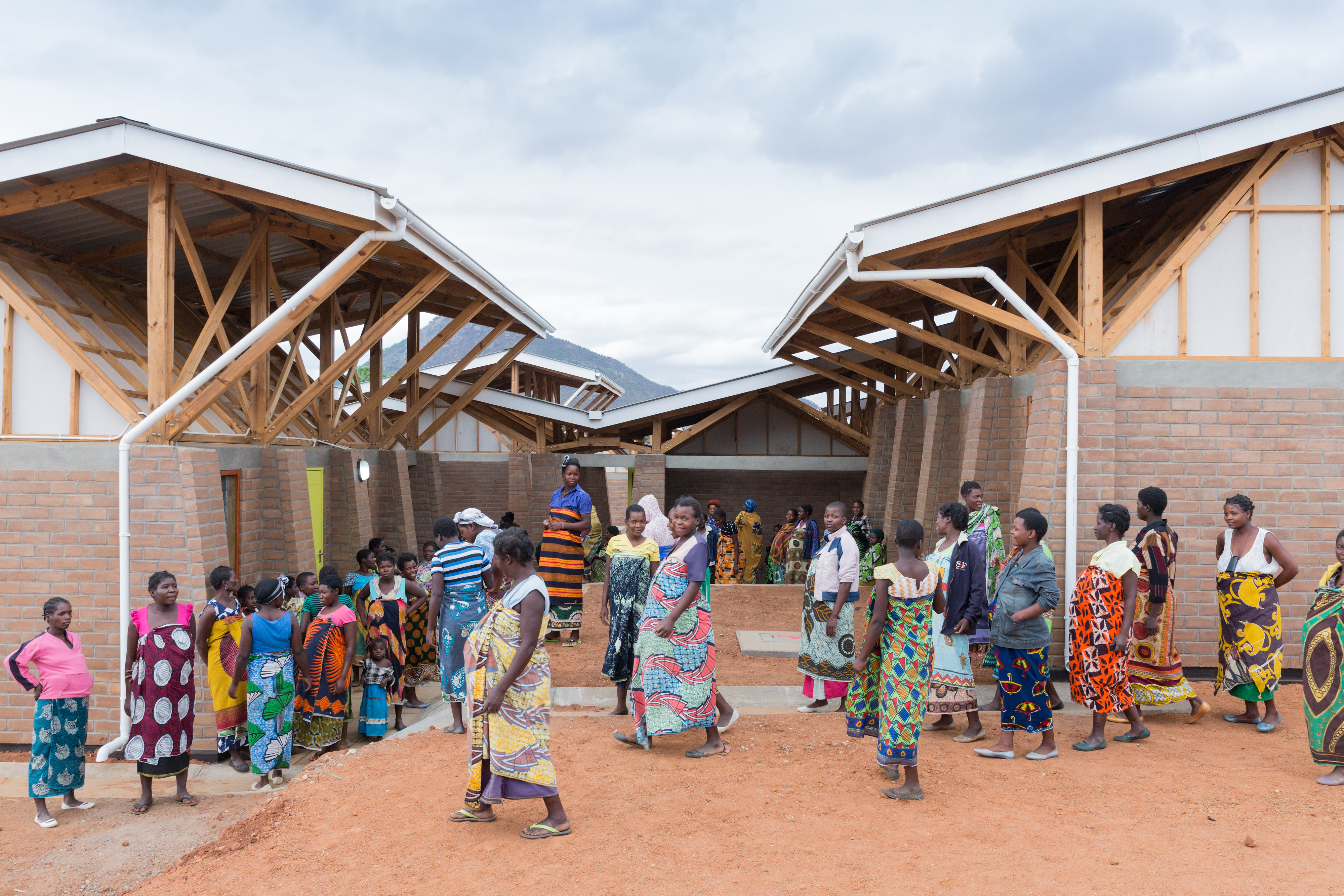
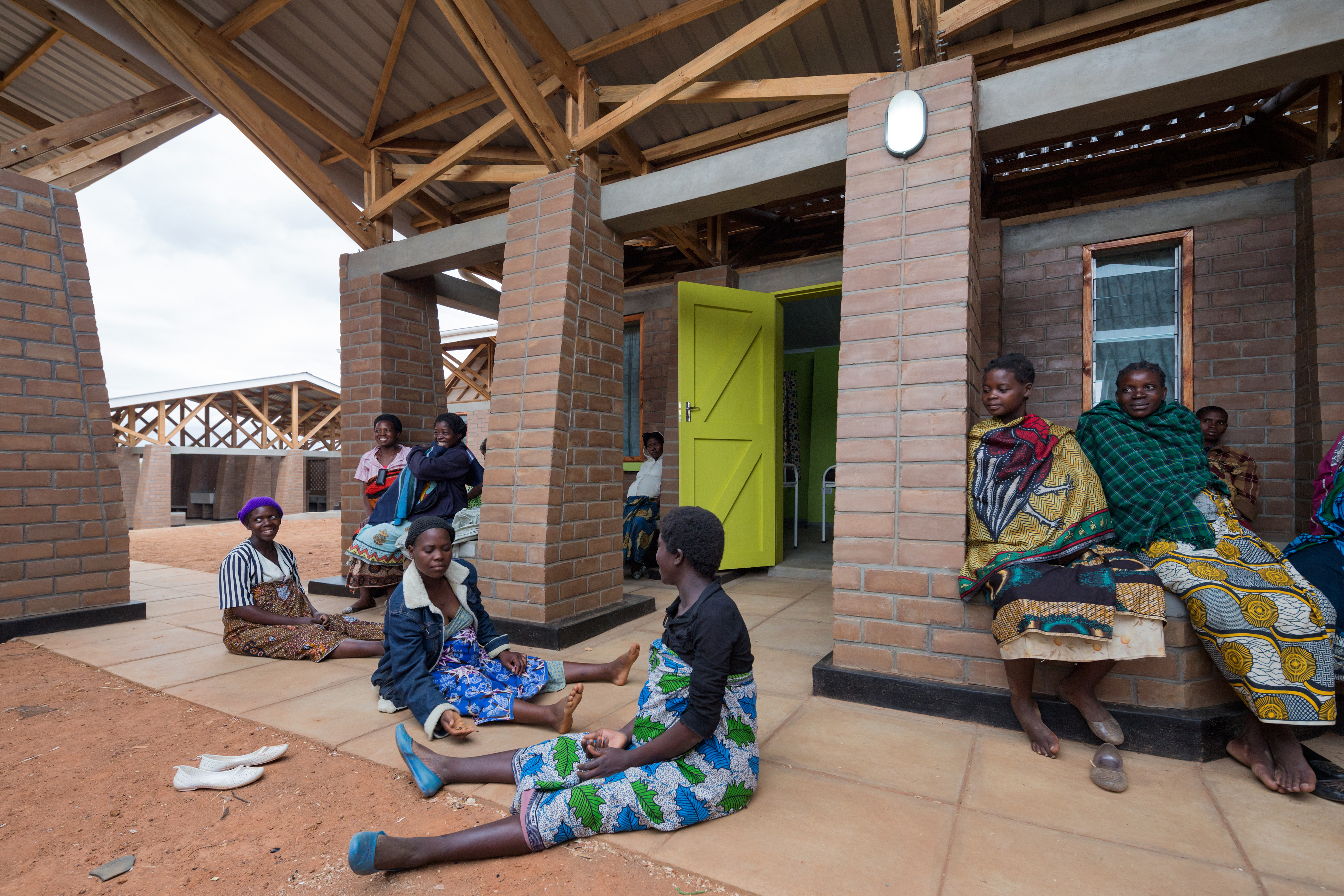
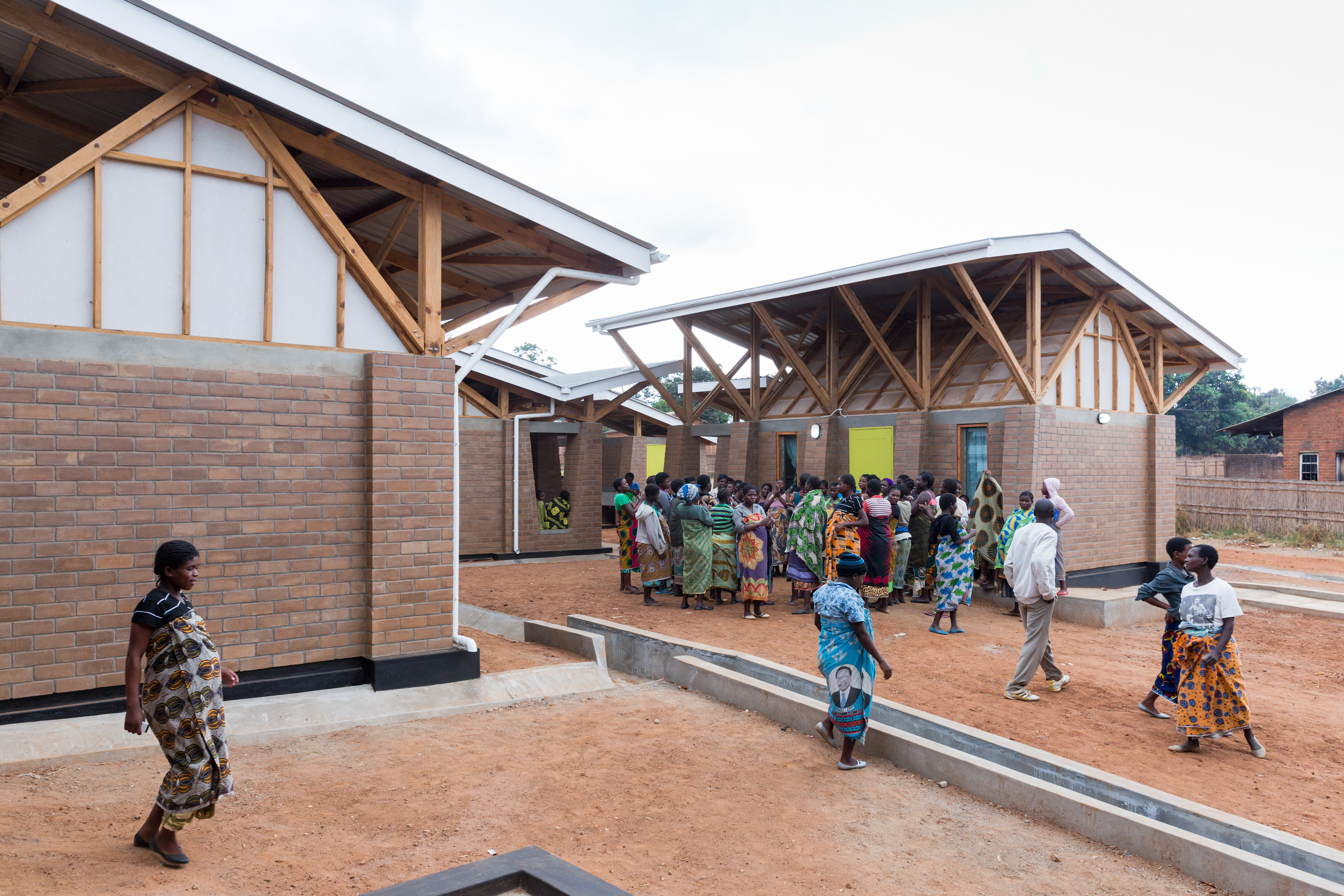
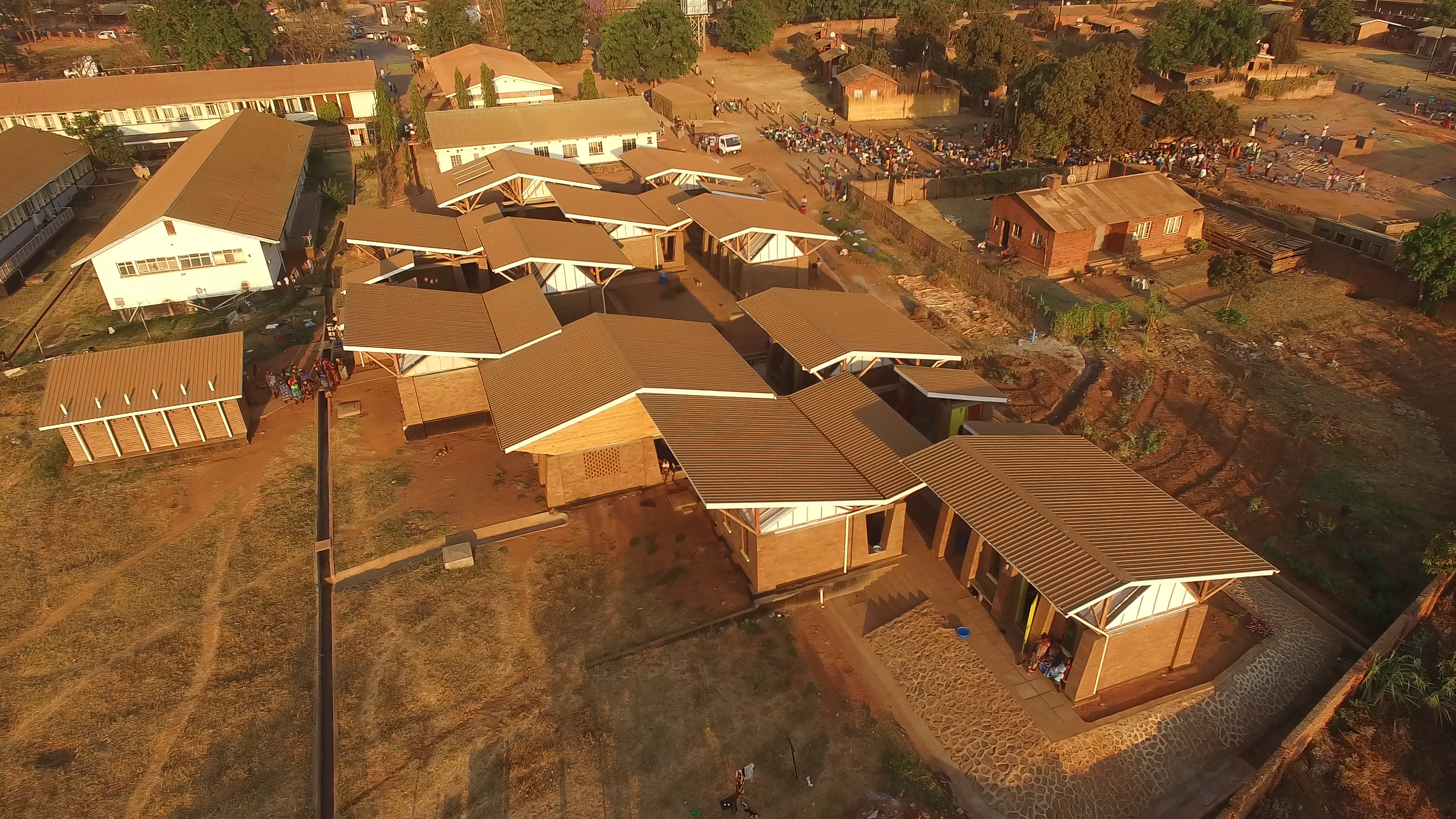
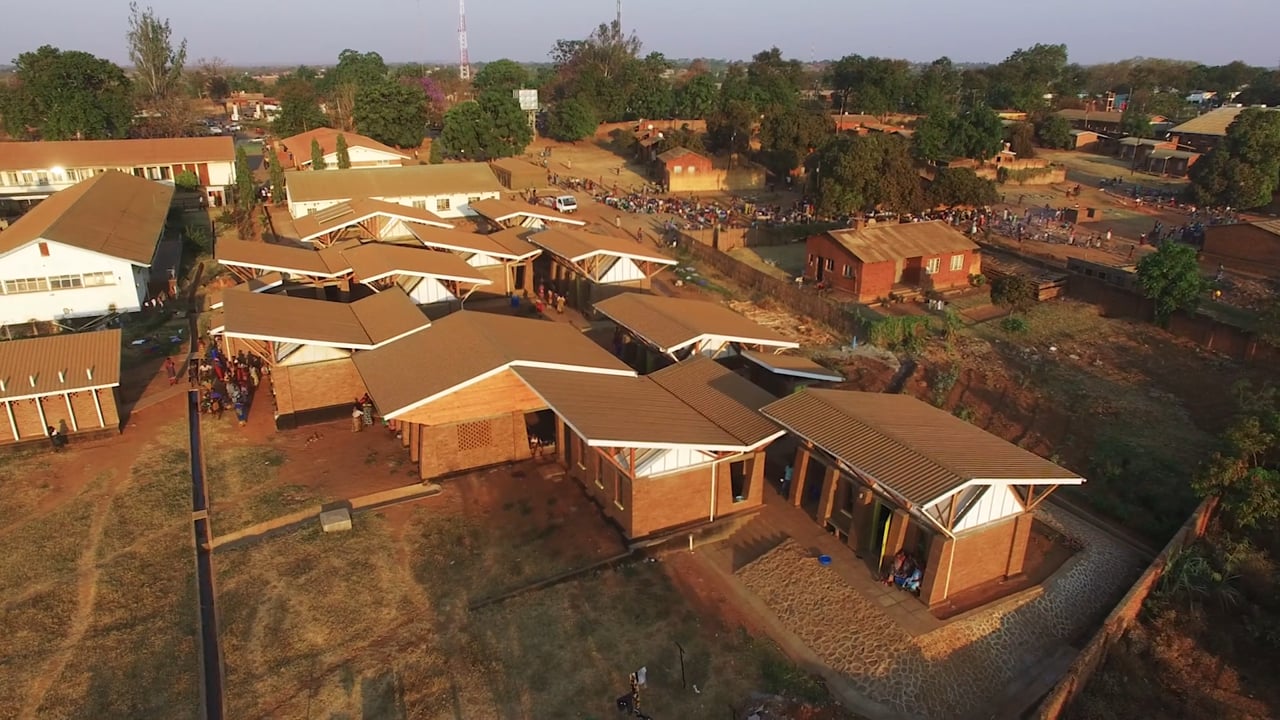
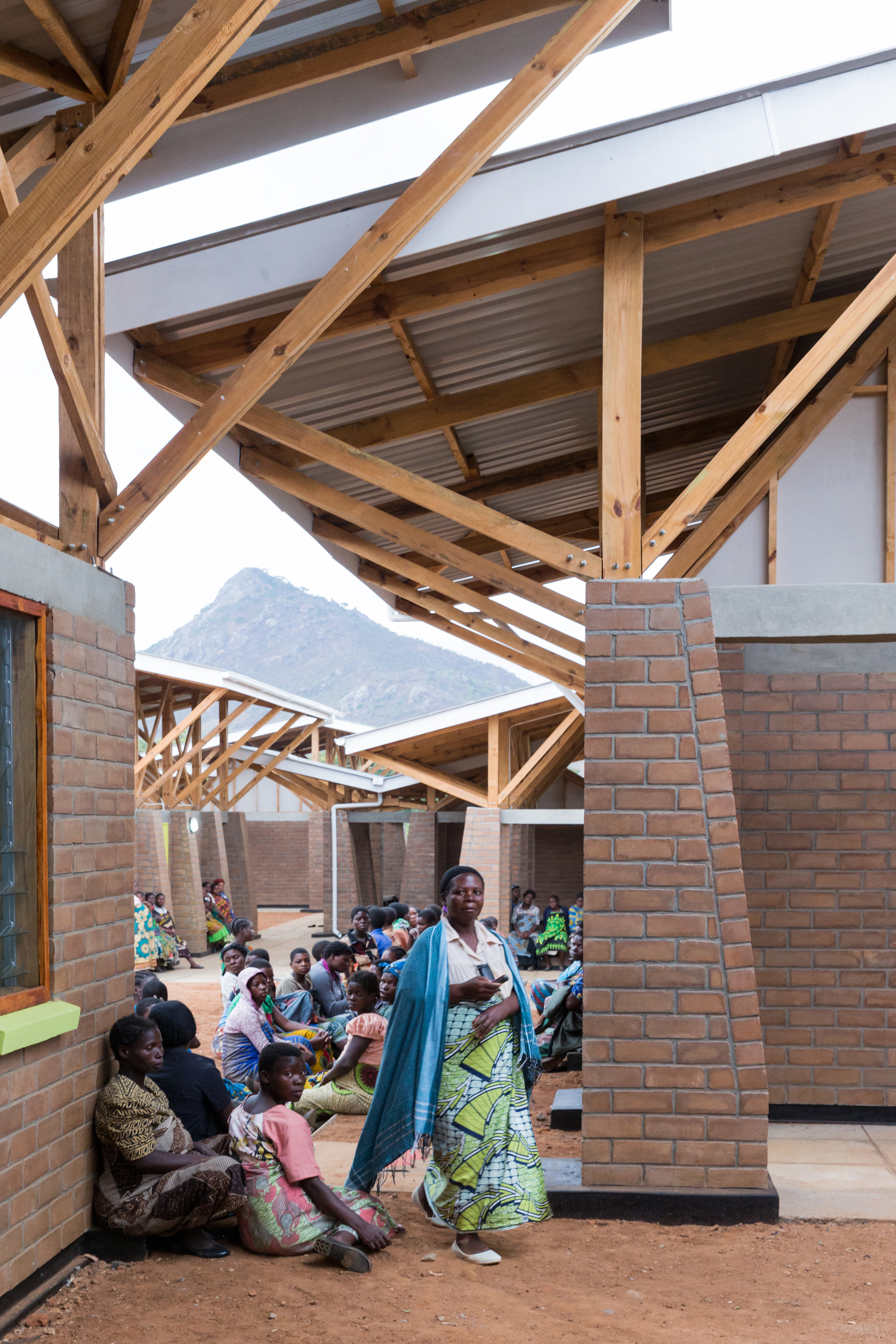
The new design broke the singular block concept of the existing prototype into a series of smaller compounds clustered around small courtyards.

Photo of Maternity Waiting Village, Photo by Iwan Baan, Maternity Waiting Village

© Iwan Baan

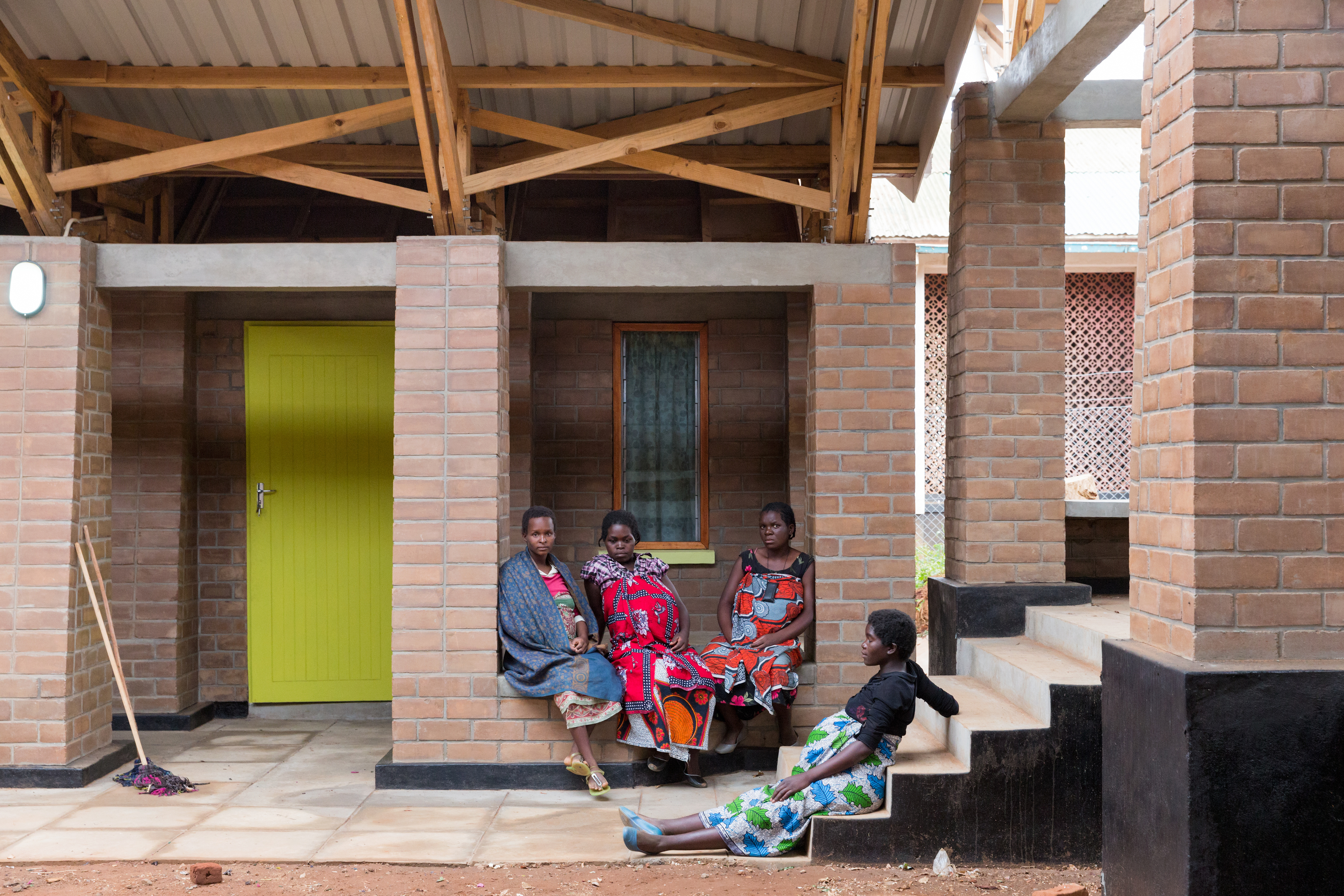
This plan borrowed design cues from the vernacular layout of Malawian villages, where family compounds are composed of several small buildings housing branches of an immediate family. The smaller-sized housing blocks create communities that encourage knowledge sharing between experienced and first-time mothers.

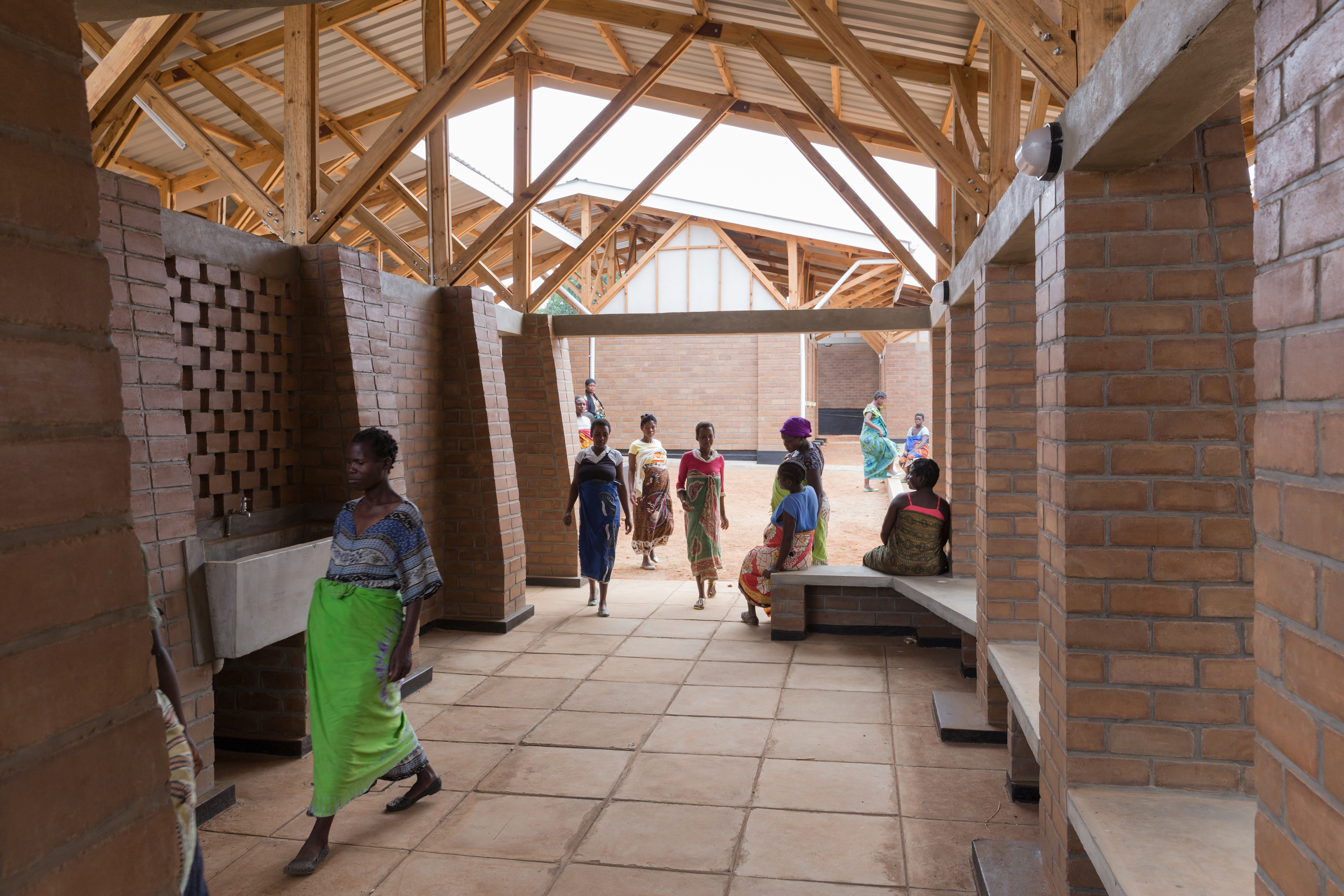
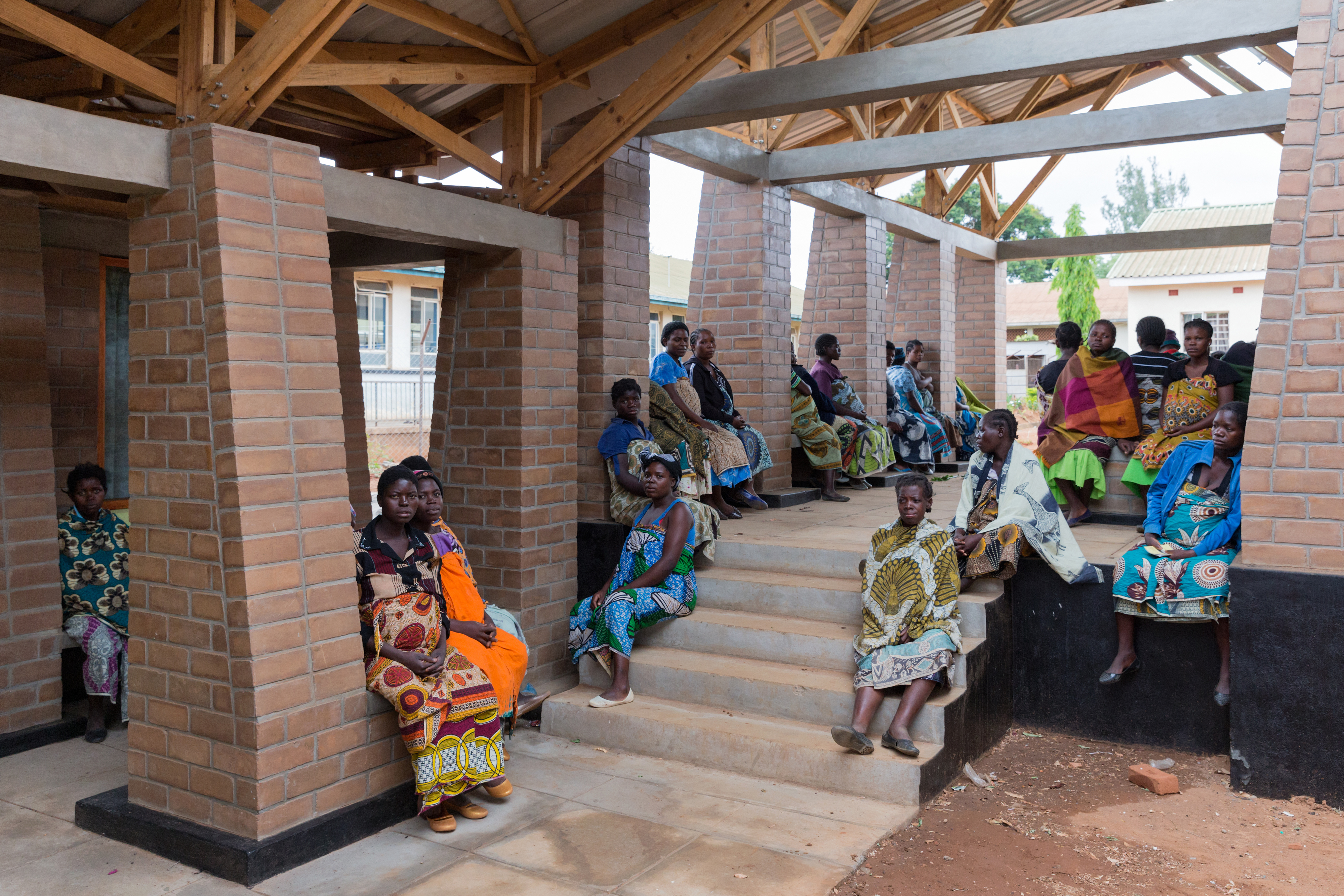
To accommodate outdoor activity during both rainy and dry seasons, large roof overhangs provide shade and shelter to the village’s courtyards, where mothers can gather and socialize.

Photo of Maternity Waiting Village, Photo by Iwan Baan, Maternity Waiting Village

© Iwan Baan

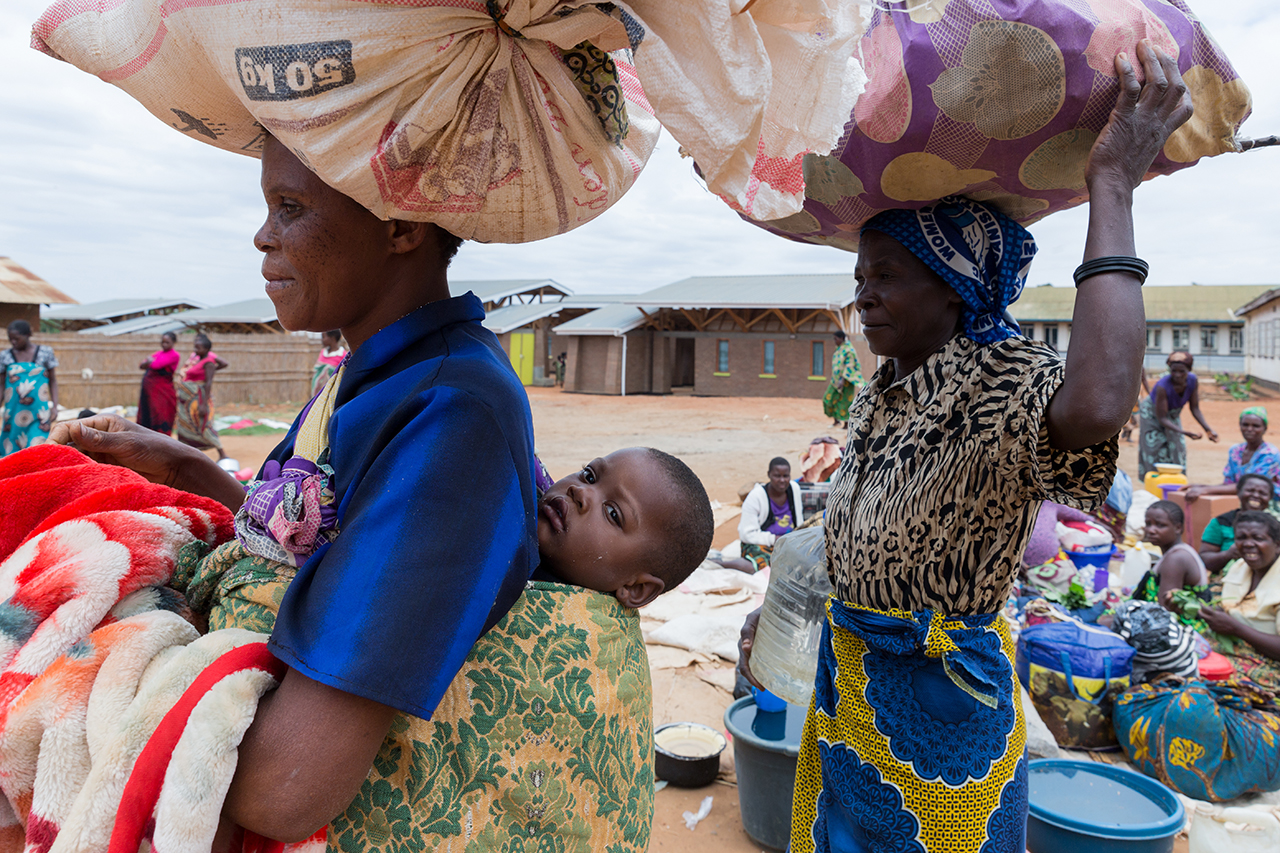
These spaces were also designed to accommodate family members and attendants who travel with expectant mothers. Dedicated education areas support workshops around pre- and postnatal care and handicraft trainings to help mothers earn income while away from home, making up for the wage loss that is a significant impediment to widespread use of maternity waiting facilities. The shared spaces have become centers of activity and learning.

Photo of Maternity Waiting Village, Photo by Iwan Baan, Mothers gather in a courtyard

© Iwan Baan

Photo of Maternity Waiting Village, Photo by Iwan Baan, mothers socializing

© Iwan Baan

Photo of Maternity Waiting Village, Photo by Iwan Baan, mothers socializing

© Iwan Baan

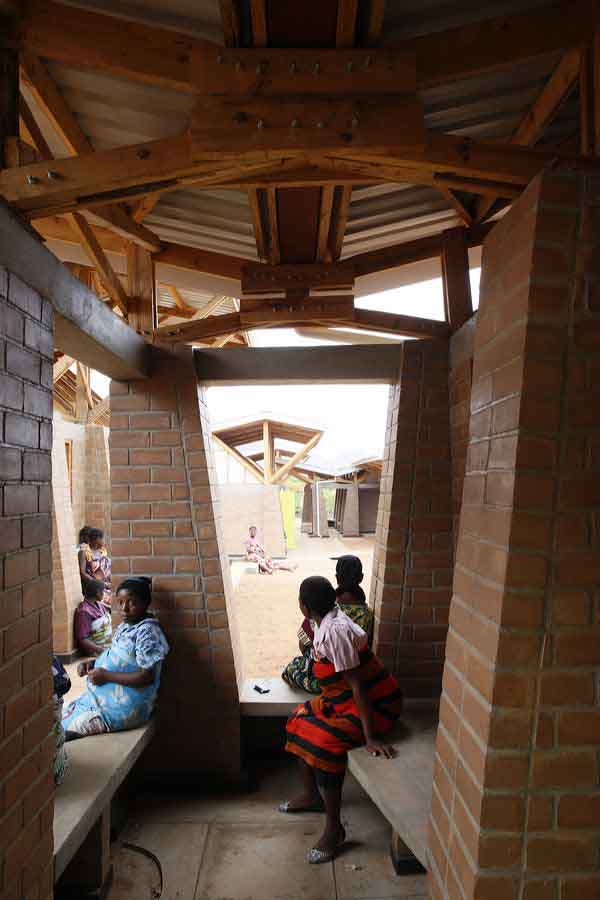
Optimized for daylighting and natural ventilation, each sleeping unit is designed to reduce the risk of infectious diseases spreading and provides privacy and comfort.

Photo of Maternity Waiting Village, Photo by Iwan Baan, Maternity Waiting Village

© Iwan Baan

Photo of Maternity Waiting Village, Photo by Iwan Baan, Maternity Waiting Village

© Iwan Baan

Photo of Maternity Waiting Village, Photo by Iwan Baan, Maternity Waiting Village

© Iwan Baan

Compressed stabilized earth block walls absorb solar rays during the day and radiate heat during the colder nights.

Photo of Maternity Waiting Village, Photo by Iwan Baan, Maternity Waiting Village

© Iwan Baan

Designed around replicable modules built of locally sourced materials, the new prototype is more readily scalable and adaptable to other sites. Post-occupancy studies have shown that this new village prototype has been more comfortable and felt safer for expectant mothers.

Photo of Maternity Waiting Village, Photo by Iwan Baan, Aerial view of the Maternity Waiting Village

Read more about the Maternity Waiting Village at The Plan