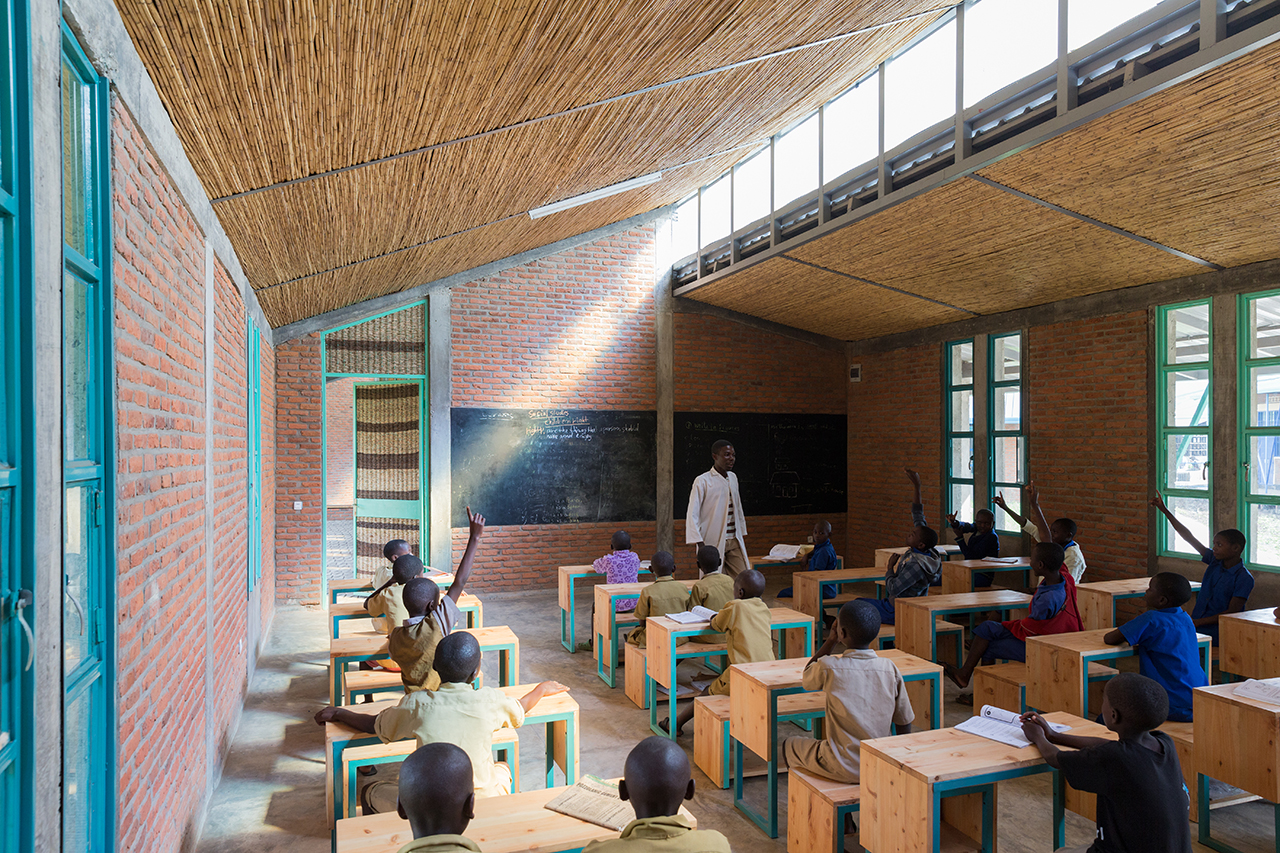
Building is our methodology. But our reason – the what that binds us to something greater – is the profound impact we have on the planet, places and people with which we live.
Service Team
Regina Chen
Principal

Regina Chen
Principal — Boston
Regina joined MASS in 2013. While based in the Kigali office, she led MASS’s immersion practices, helping to guide mission-driven design through community engagement and building the firm’s capacity to understand and partner with stakeholders. She moved to the Boston office in 2015 to lead a research project investigating the impact of capital projects, and developing tools to capture and share lessons learned.
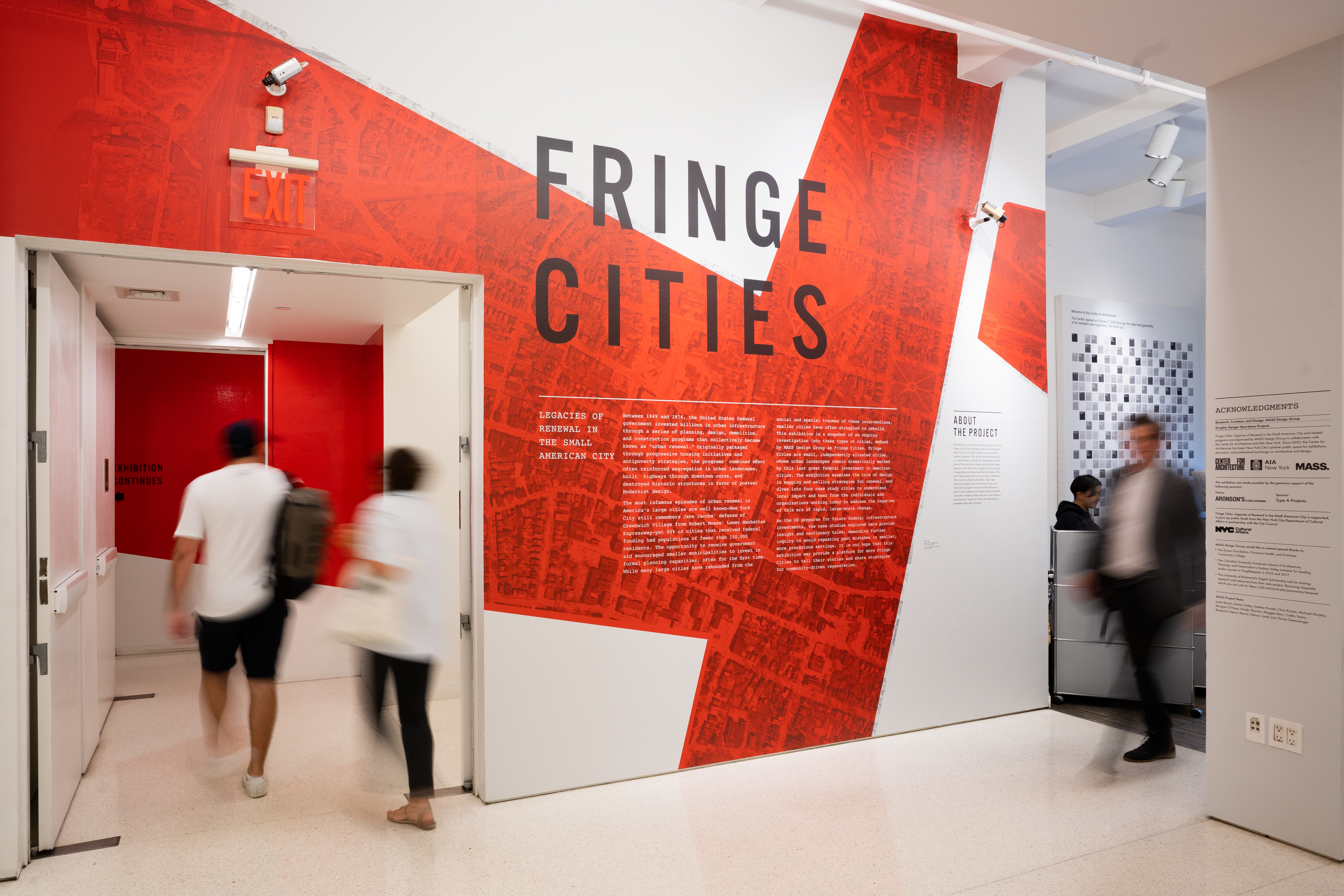
Currently, Regina directs MASS’s Research and Publications arm. In this role, she guides and implements impact evaluation initiatives and oversees editorial strategy in publications and exhibitions. Regina guides MASS’s strategies in frontier markets, bringing together philanthropy, partner and project development, research, and advocacy through five subject matter-specific Design Labs. As the Principal leading the Gun Violence Memorial Project and the Restorative Justice Design Lab, she maintains a deep commitment to community engagement and diligent research in her work, and aims to help create space for truth telling, healing, and collective action. Her work helps to hold our work accountable, internally, with our communities, and with our partners. Regina studied Civil Engineering and Architecture at Princeton University and received her Master’s in Urban Planning at Harvard University’s Graduate School of Design.
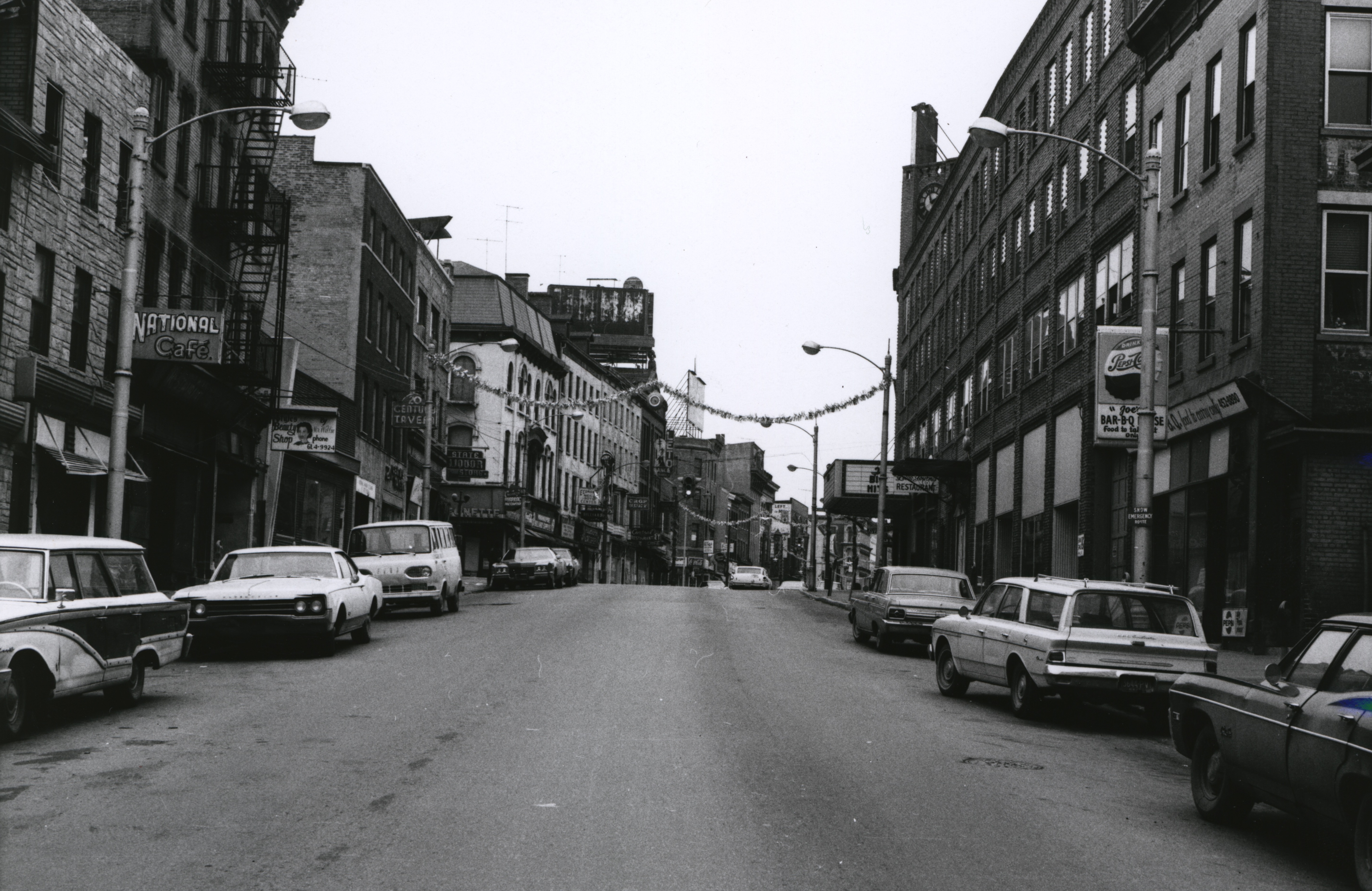
Poughkeepsie, c.1970's - © Poughkeepsie Library District
Spaces shape behavior, and evaluating projects over time can highlight how design decisions affect users. Definitive proof of the impact of design choices is difficult to measure, but this does not mean we should not try to do so. Continued evaluation is in service of a better design process and can influence and effect systemic change in the built environment.
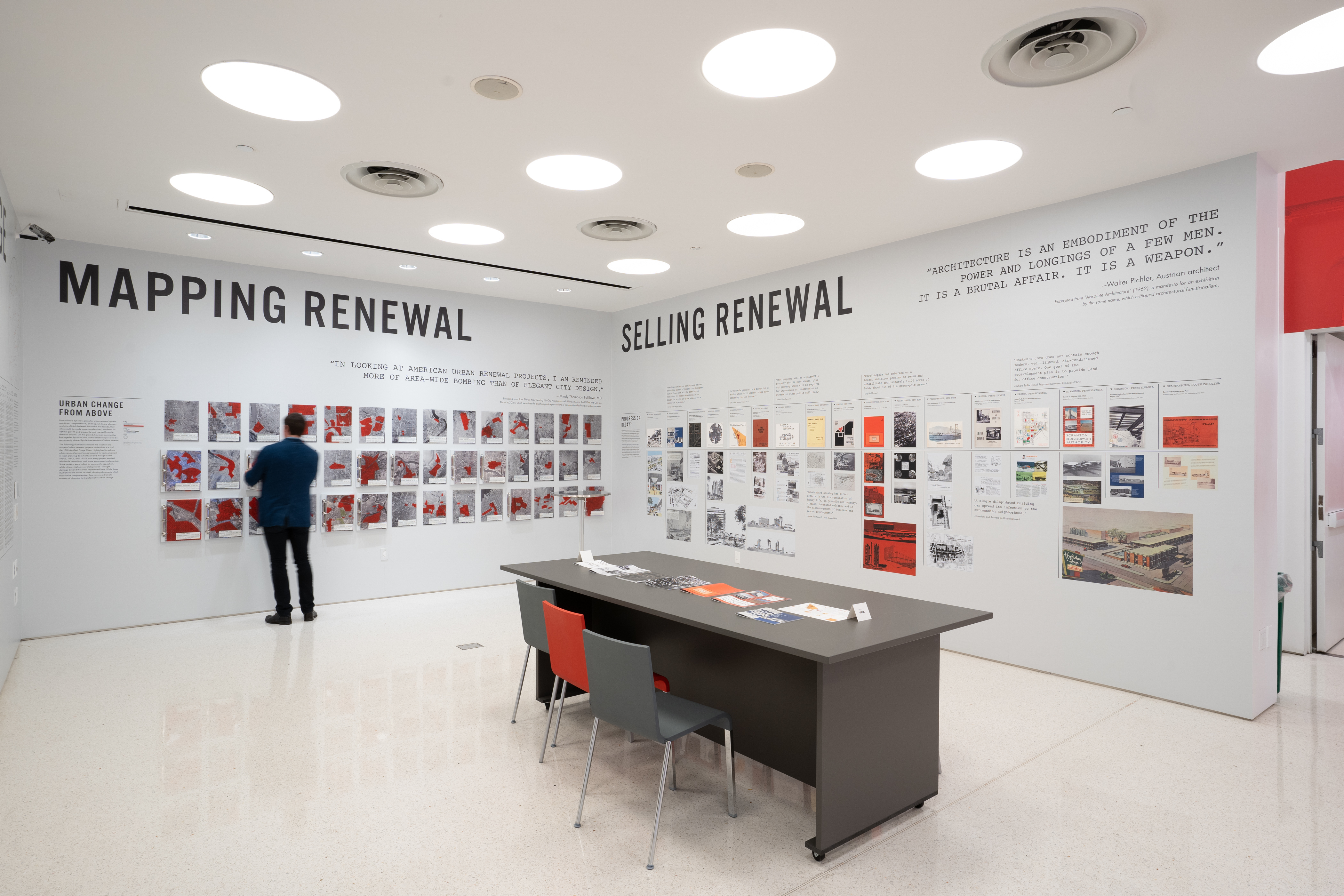
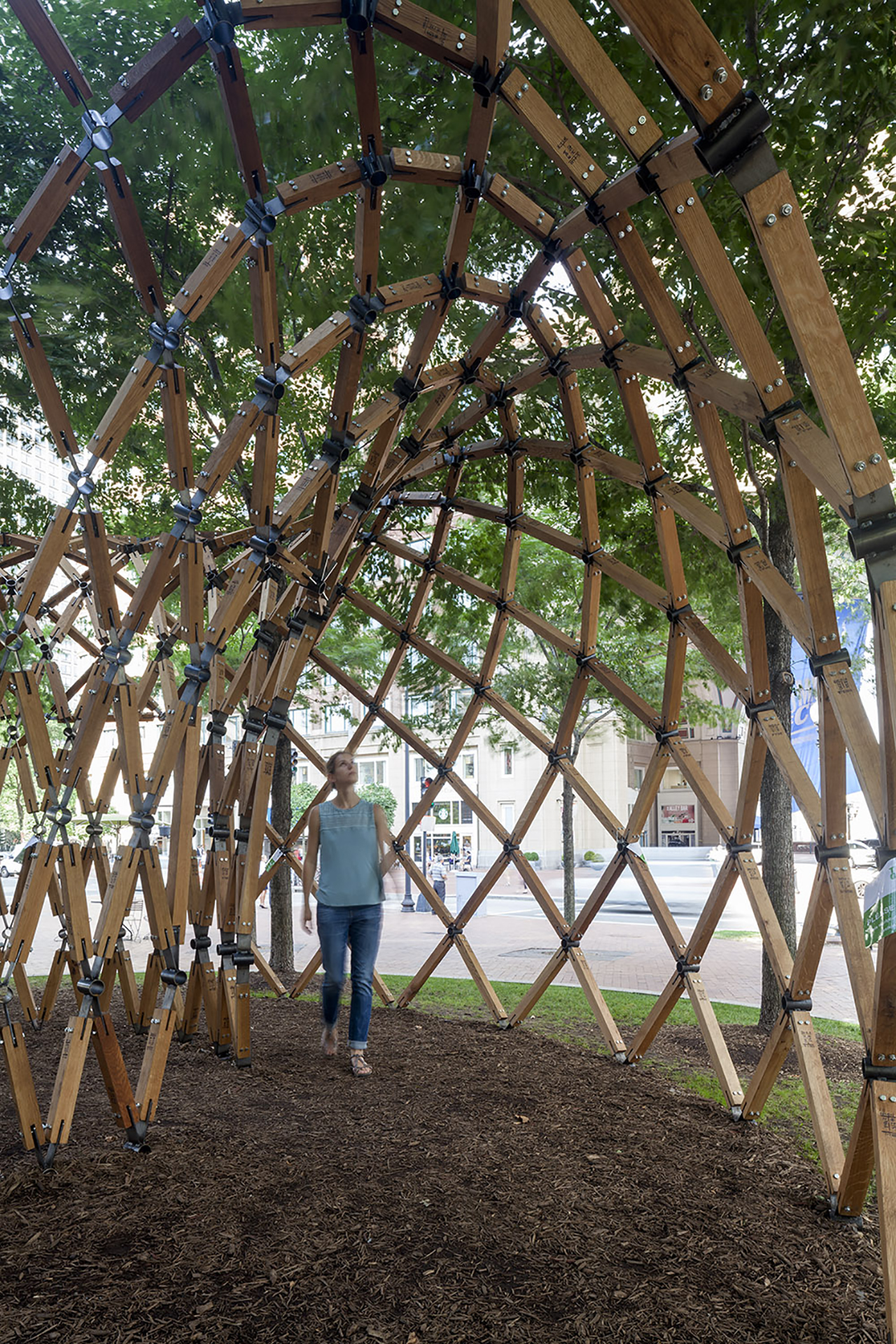
Fringe Cities Exhibition. © Sam Lahoz
Messinger
SUBHEADLINE NEEDED
Projects affect an organization’s ability to achieve its mission—signaling its values, shaping interaction with its constituents, influencing its work processes and culture, and creating new financial realities. Using an impact-based design methodology, we help our partners identify mission-driven goals at the outset of a project that are used to track and measure impact through the design and construction process. After project completion, we work with our partners to devise post-occupancy evaluations that measure how well those goals were achieved, as well as broader impacts over the life cycle of a project. In addition to hard figures like carbon accounting, we consider factors relating to education, economy, equity, emotion, and environment.Design is a continuous learning process. We develop impact metrics that better measure a building’s impact on the planet, on people, and on a place. It is how we contribute to the design of a built environment that heals rather than hurts.