
Year

2015

Status

Completed

Client

Boston Society of Architects

Services

Construction, Design

Partners

Boston Society of Architects Biennial, Autodesk, Virginia Tech School of Architecture + Design – Center for Design Research, Rudabega, The United Nathans

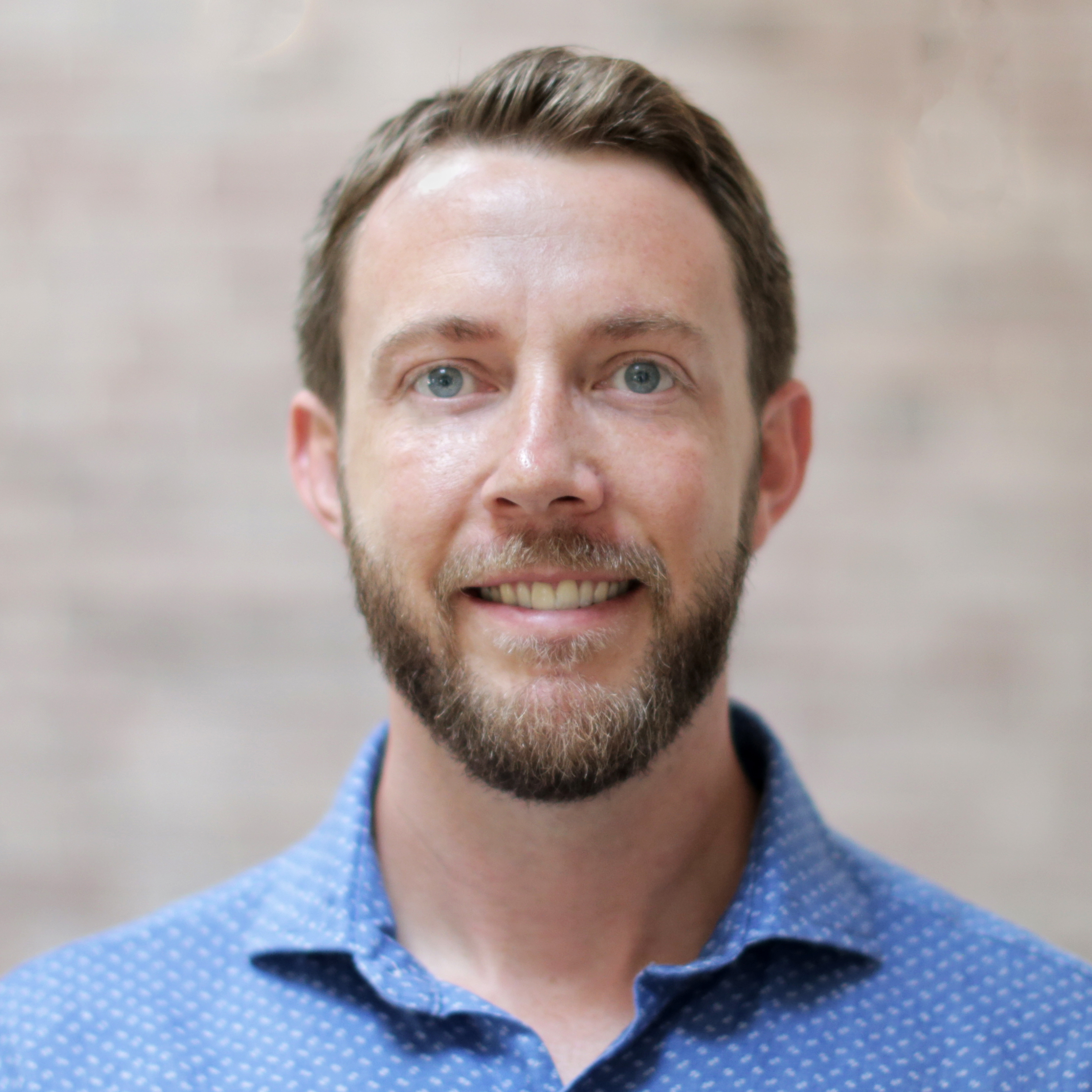
Alan Ricks, AIA, Int FRIBA

Alan Ricks, AIA, Int FRIBA

Founding Principal & Chief Design Officer

Alan is a Founding Principal and the Chief Design Officer of MASS Design Group. He leads strategy and design of the 100-person firm, which has projects in over a dozen countries that range from design to research to policy—a portfolio that continues to expand the role of design in advancing a more just world.

In 2017 Alan and MASS were awarded the National Design Award for Architecture from the Cooper Hewitt, Smithsonian Design Museum. First launched at the White House in 2000 as an official project of the White House Millennium Council, the annual Awards program celebrates design as a vital humanistic tool in shaping the world, and seeks to increase national awareness of the impact of design through education initiatives.

In 2018 he and MASS received the Arts and Letters Award for Architecture from the American Academy of Arts and Letters. Each year the Academy honors over 70 composers, artists, architects, and writers with awards and prizes. Recipients must be nominated by an Academy member and this year the jury included Annabelle Seldorf, James Polshek, Tod Williams, Billie Tsien, Steven Holl, Kenneth Frampton, and Thom Mayne.

Alan is a member of The Forum of Young Global Leaders with the World Economic Forum, a community of over 800 men and women selected under the age of 40, who operate as a force for good to overcome barriers that elsewhere stand in the way of progress. The community is made up of leaders from all walks of life, from every region of the world, and from every stakeholder group in society.

Currently, he is the William B. and Charlotte Shepherd Davenport Visiting Professor at the Yale School of Architecture and has previously taught at the Harvard Graduate School of Design. He regularly speaks, writes, and creates films focused on the role of architecture in catalyzing social change. Chris Anderson, chief curator of TED, described his TED talk as “a different language about what architecture can aspire to be.”

He has a Bachelor of Arts from Colorado College and a Master of Architecture from the Harvard Graduate School of Design.

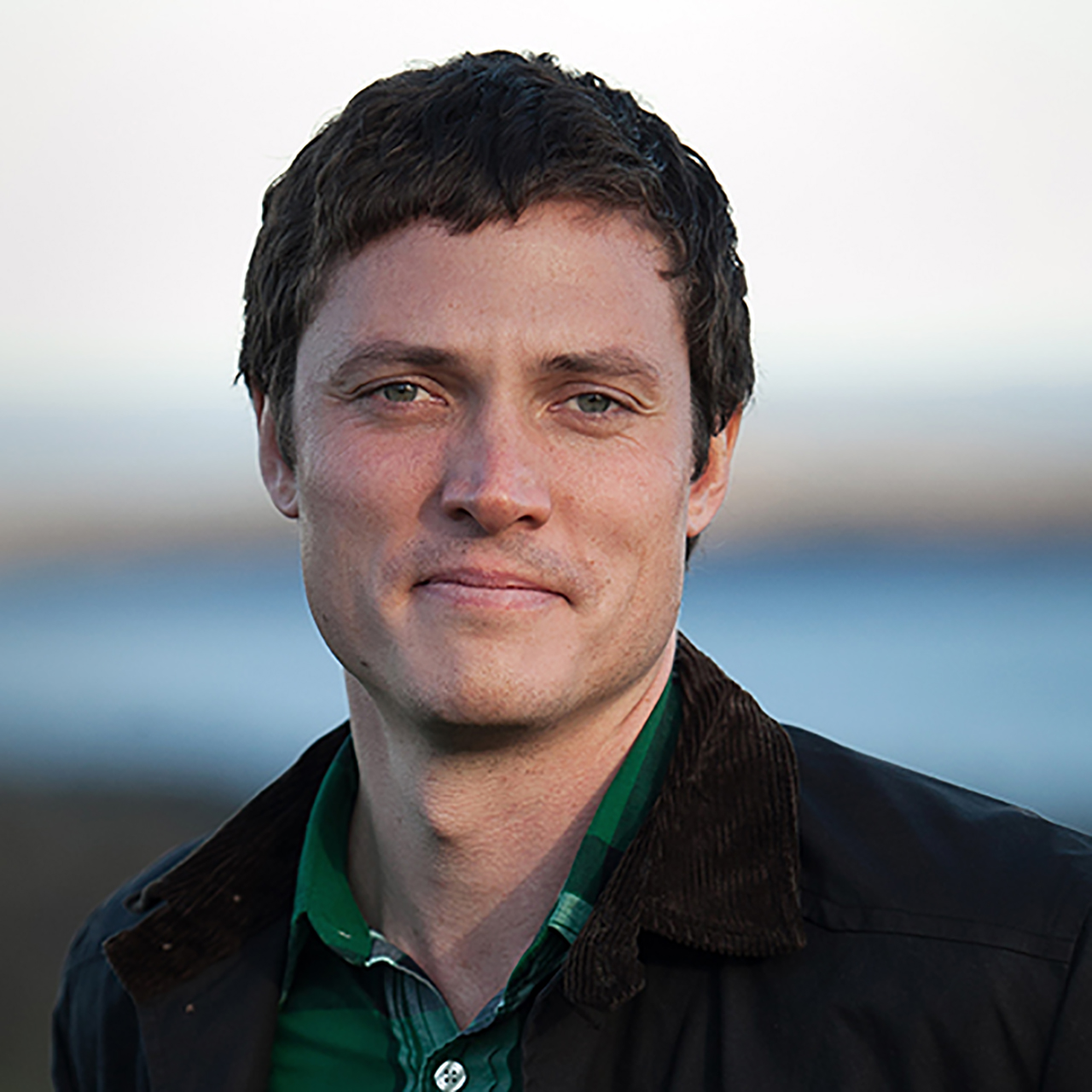
Photo of Michael Murphy, Co-founder and CEO of MASS Design Group.

Michael Murphy

Founding Principal & CEO — Boston

Michael Murphy, Int FRIBA, is the Founding Principal and Executive Director of MASS Design Group, an architecture and design collective that leverages buildings, as well as the design and construction process, to become catalysts for economic growth, social change, and justice. Since MASS's beginnings, their portfolio of work has expanded to over a dozen countries and span the areas of healthcare, education, housing, urban development. MASS’s work has been published in over 900 publications and awarded globally. Most recently, MASS has been recognized as the winners of the national Arts and Letters Award for 2017 and the 2017 Cooper Hewitt National Design Award. Michael’s 2016 TED talk has reached over a million views, and was awarded the Al Filipov Medal for Peace and Justice in 2017. MASS's project, the National Memorial for Peace and Justice was named the single greatest work of American architecture in the 21st century. Michael has taught at the Harvard Graduate School of Design, University of Michigan, and Columbia University’s Graduate School of Architecture Planning and Preservation. Michael is from Poughkeepsie, NY, and holds a Master of Architecture from Harvard Graduate School of Design and a Bachelor of Arts from the University of Chicago.

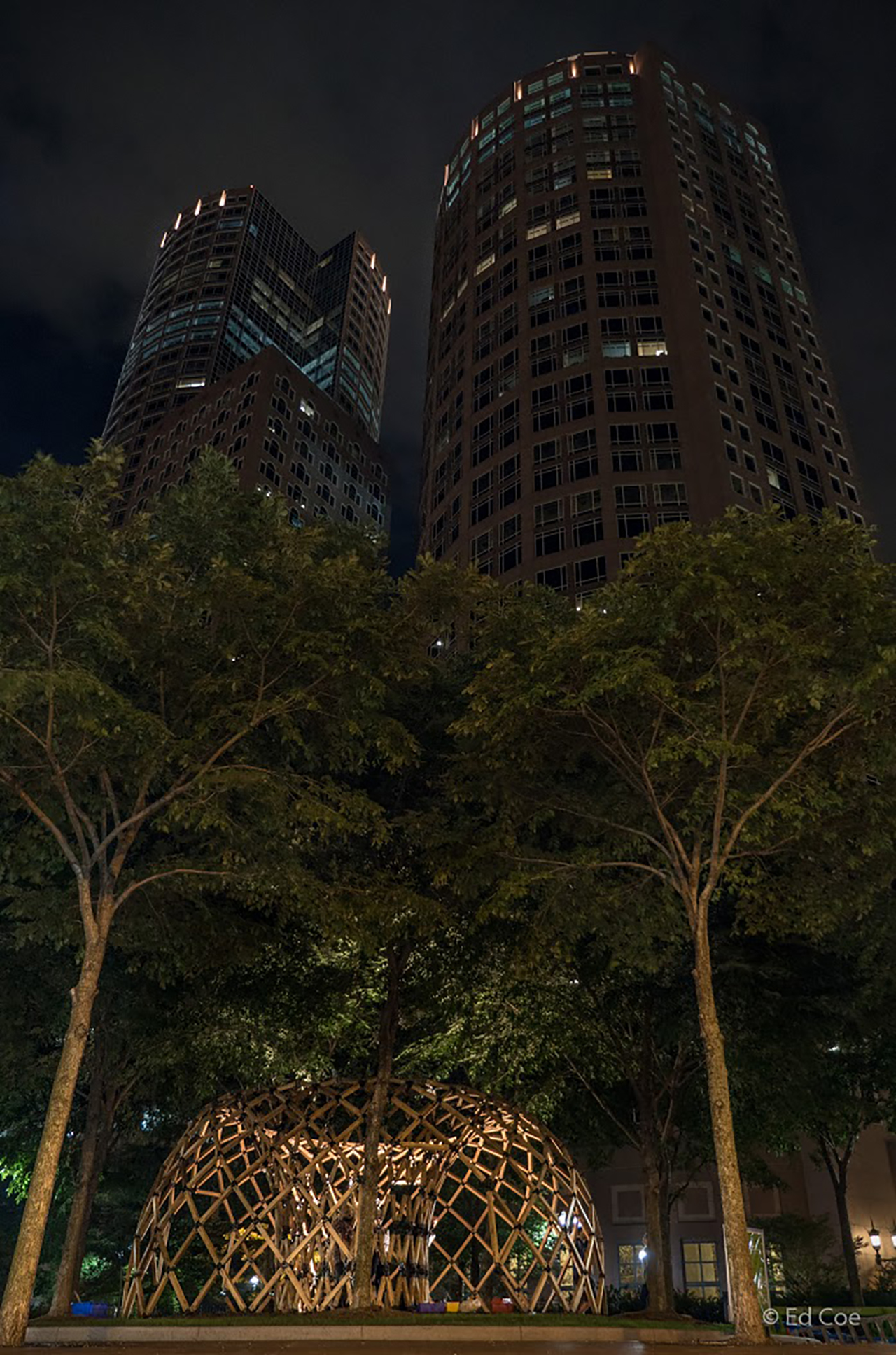
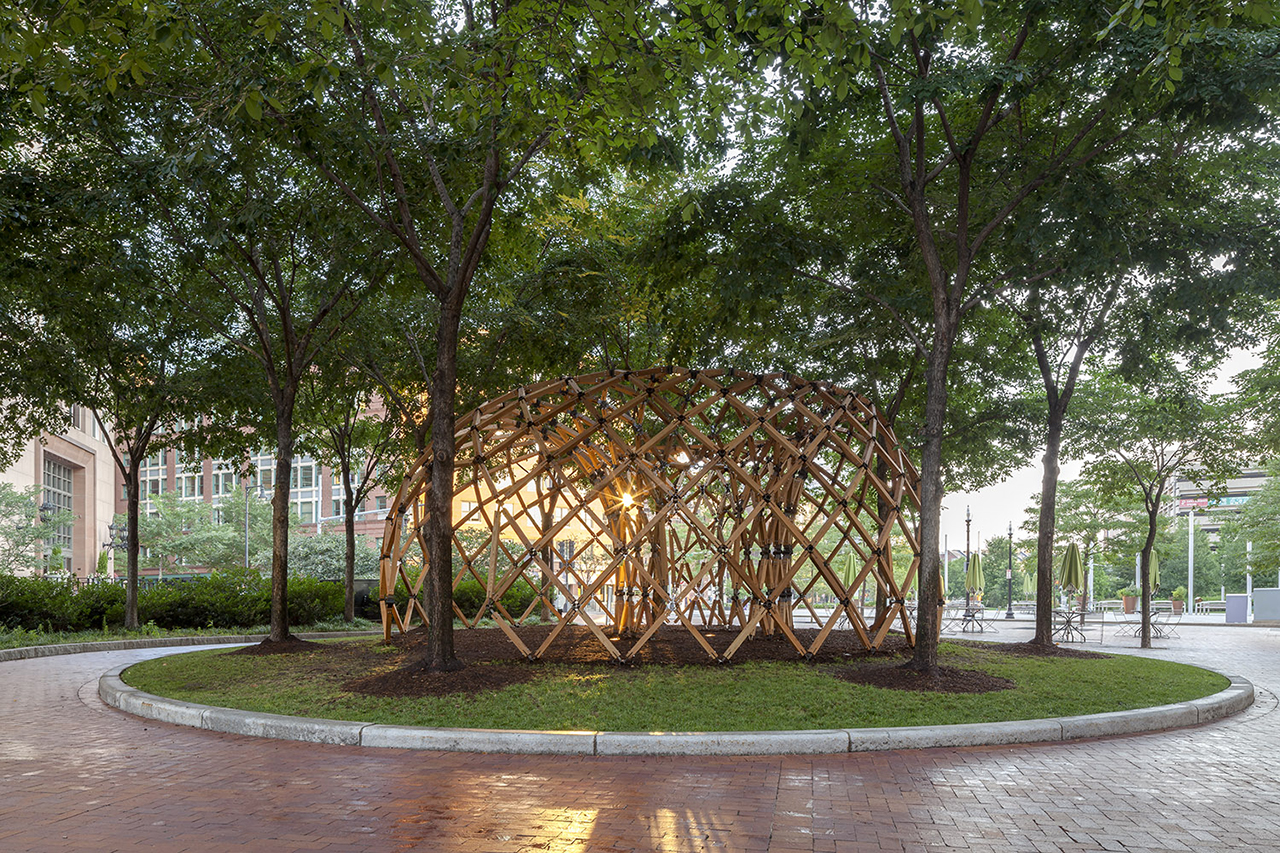
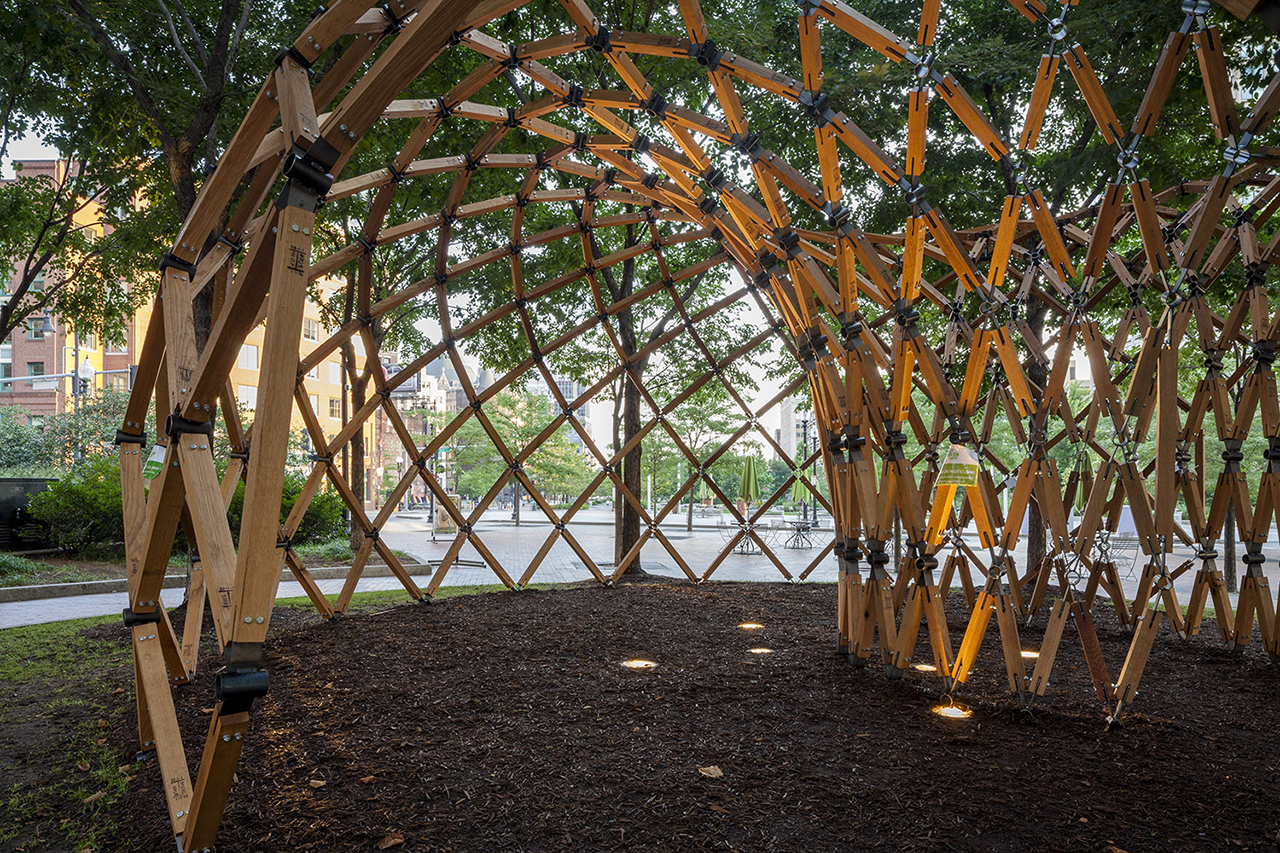
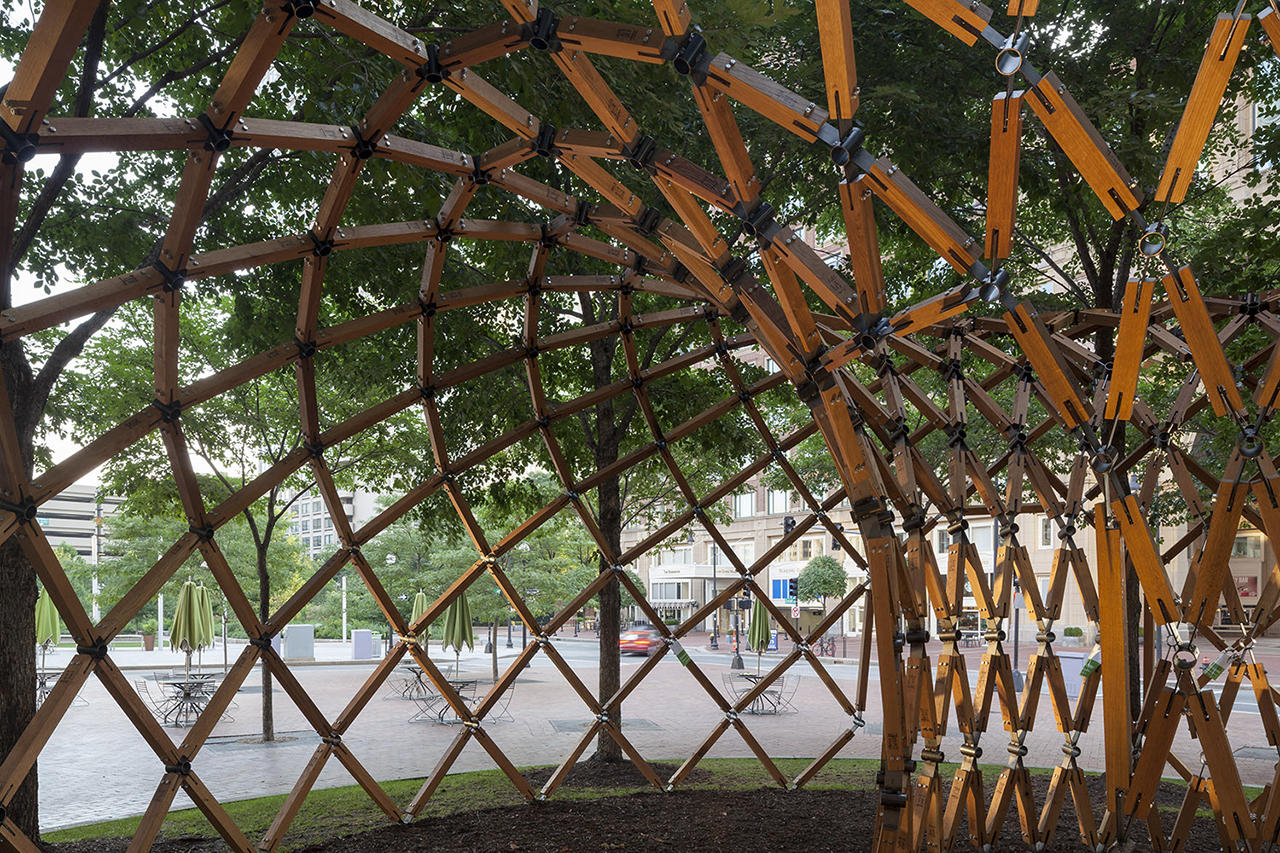
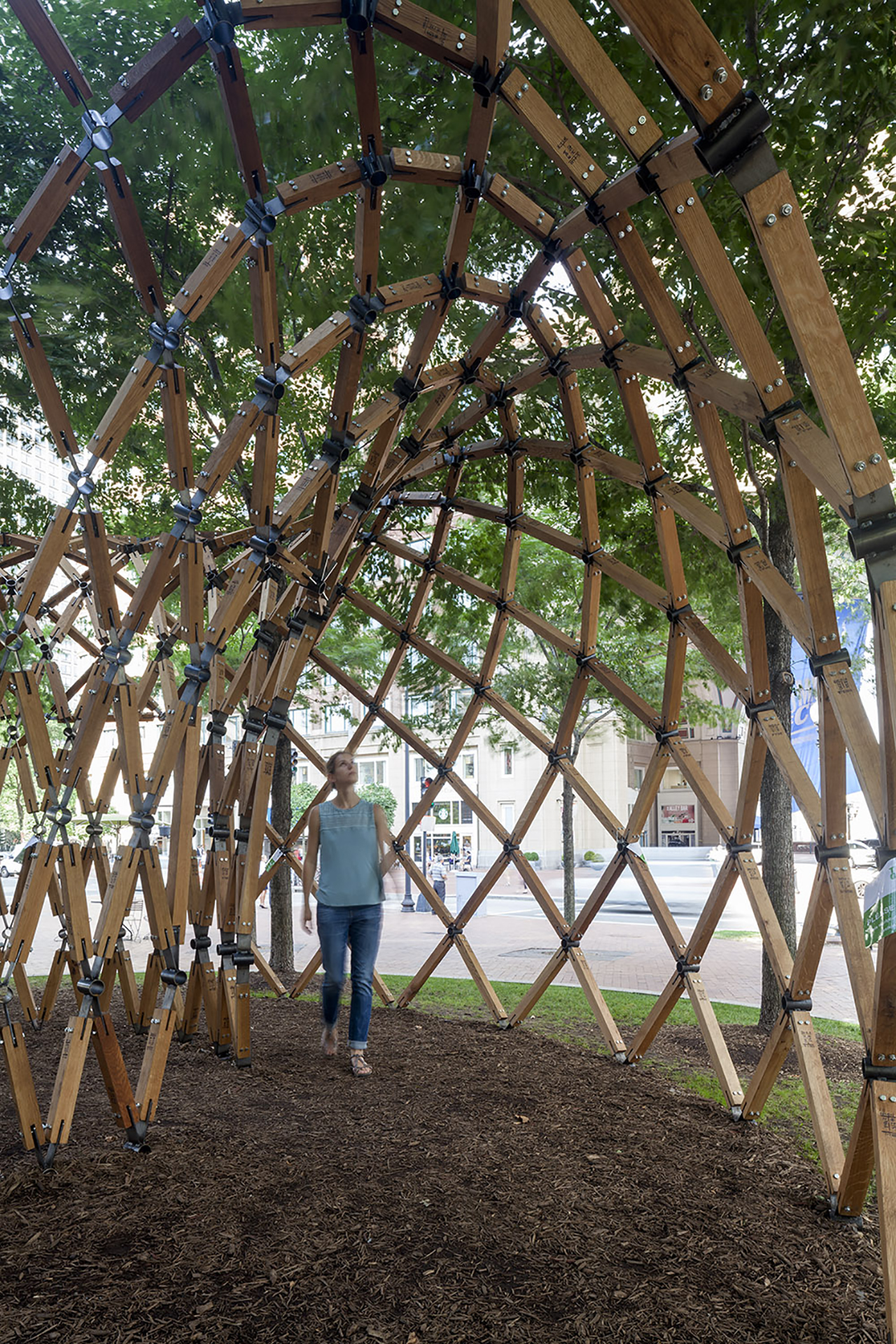
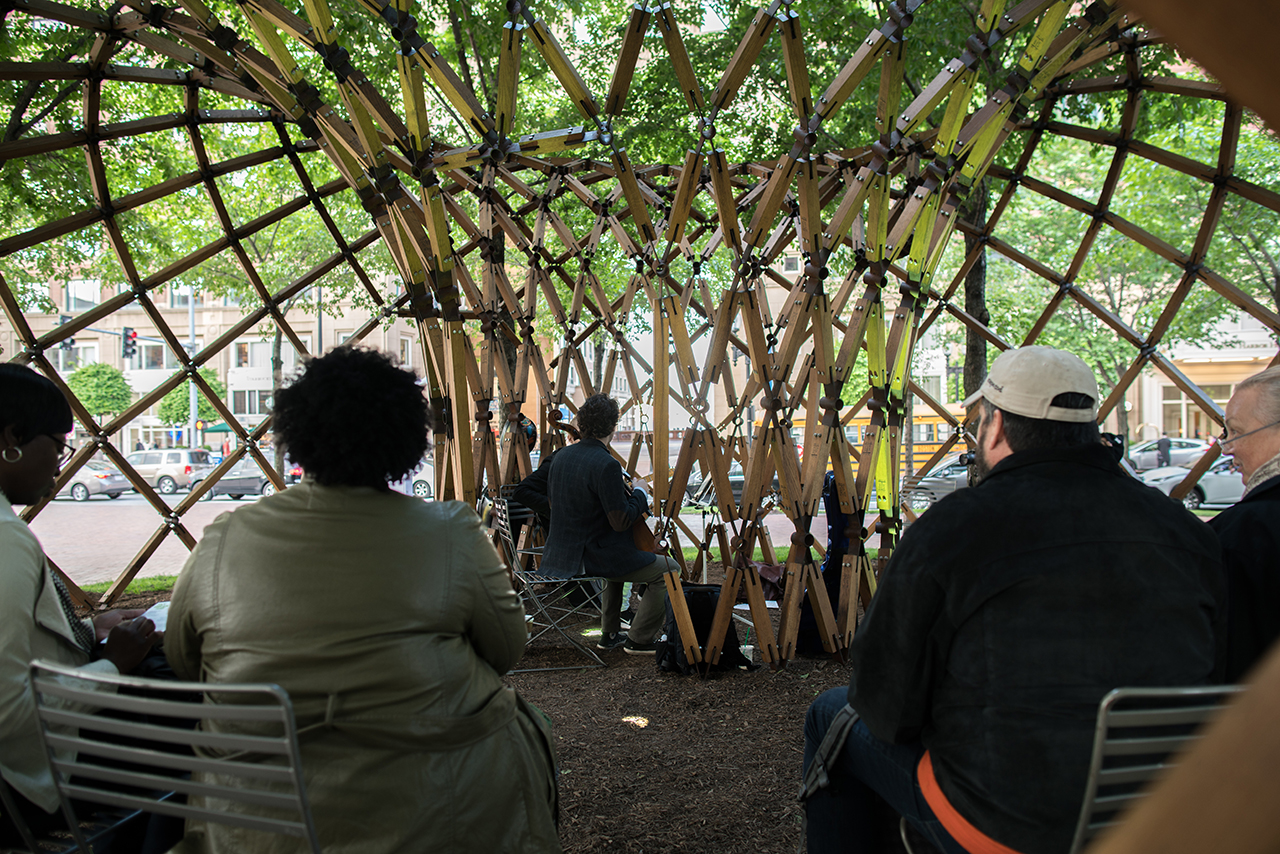
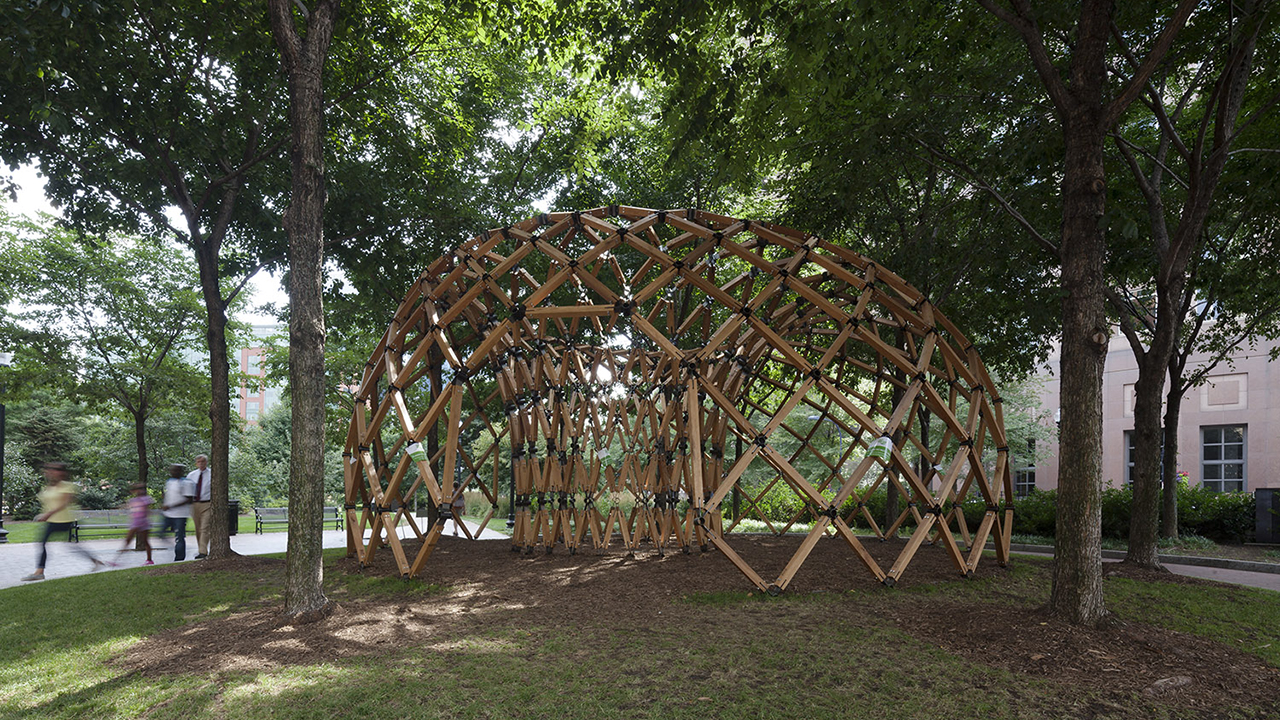
Developed for the Design Boston Biennial and on display on near Rowe’s Wharf on the Rose Kennedy Greenway from July 2015 (Scheduled for removal in Fall 2016), the Lo-Fab Pavilion enabled students, practitioners, industry specialists, and community members to come together and teach each other through making.

Photo of Design Biennial Boston, Photo by Ed Coe, Nighttime view of the pavilion and Boston site

Ed Coe

During the summer of 2015, MASS Design Group worked with students and Faculty from the Virginia Tech School of Architecture + Design, Center for Design Research on the iterative design, structural optimization, and fabrication of the experimental grid shell structure developed for the MASS Lo-Fab pavilion.

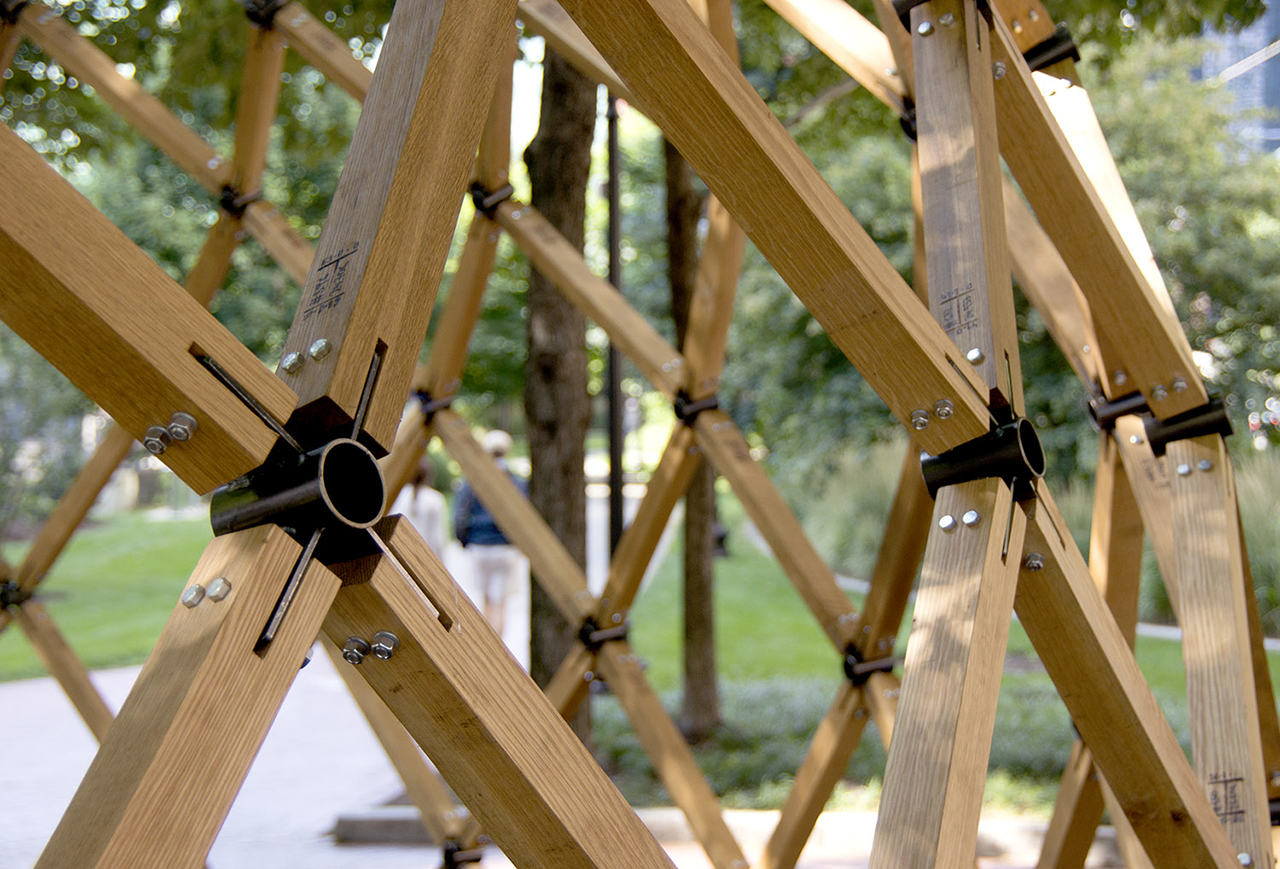
Photo of Design Biennial Boston, Photo by Mark Pasnik, Custom joinery pieces on pavilion

Design Biennial Boston, Photo: Mark Pasnik

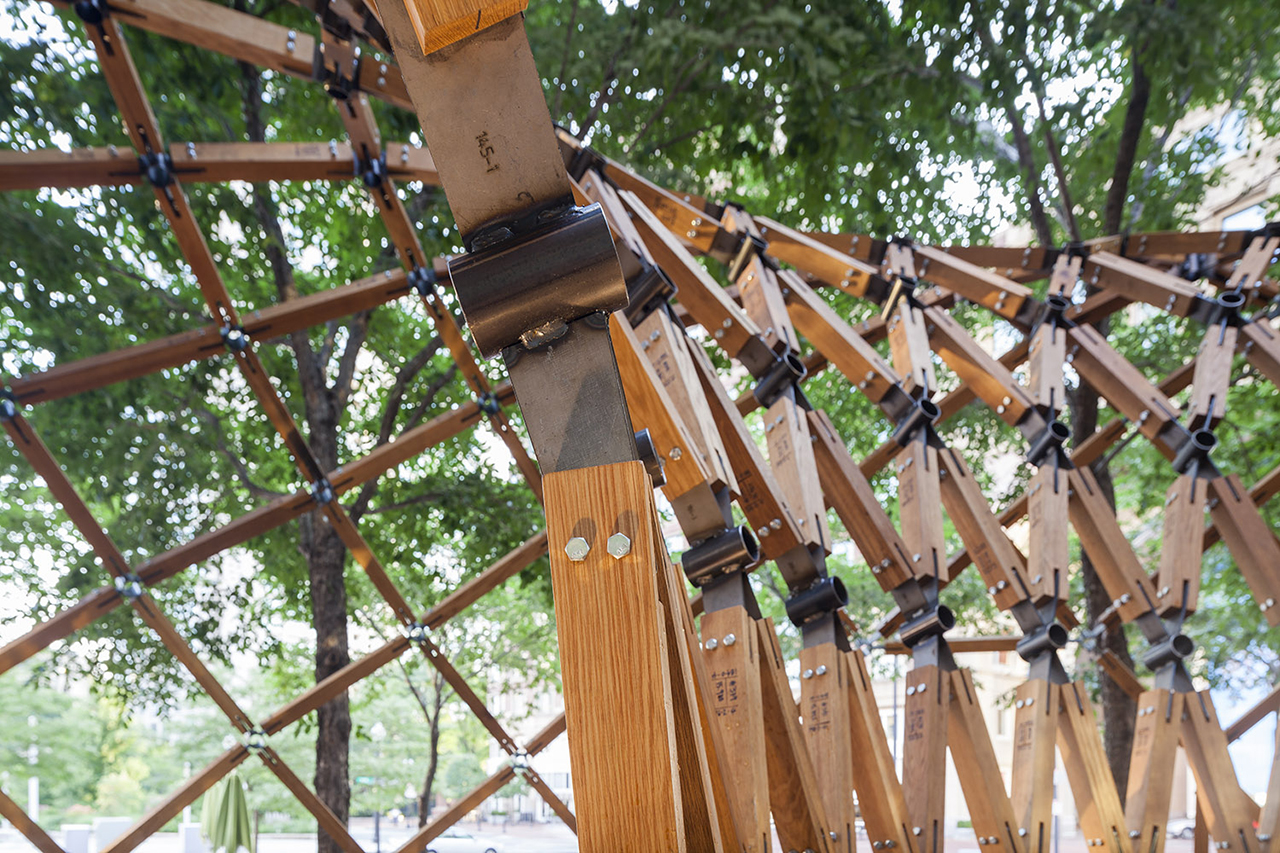
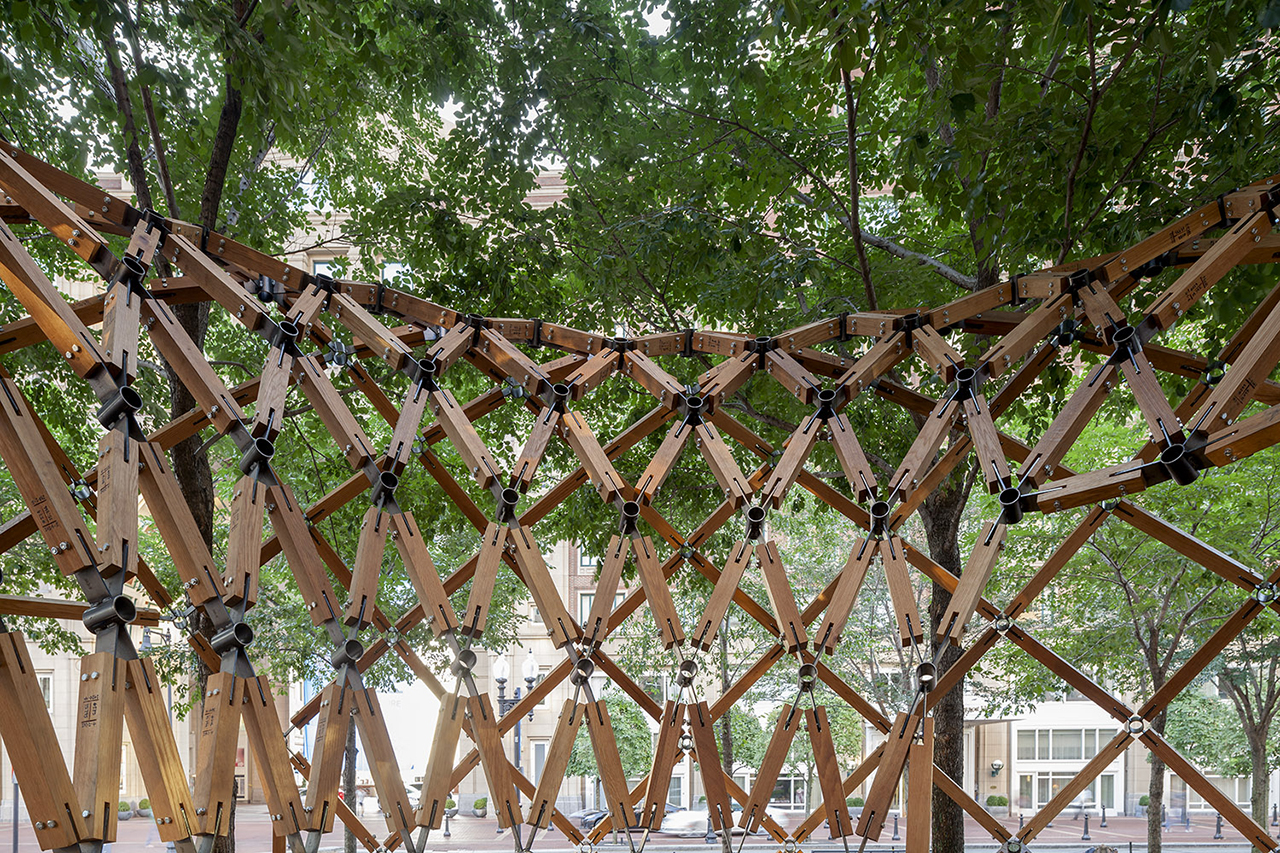
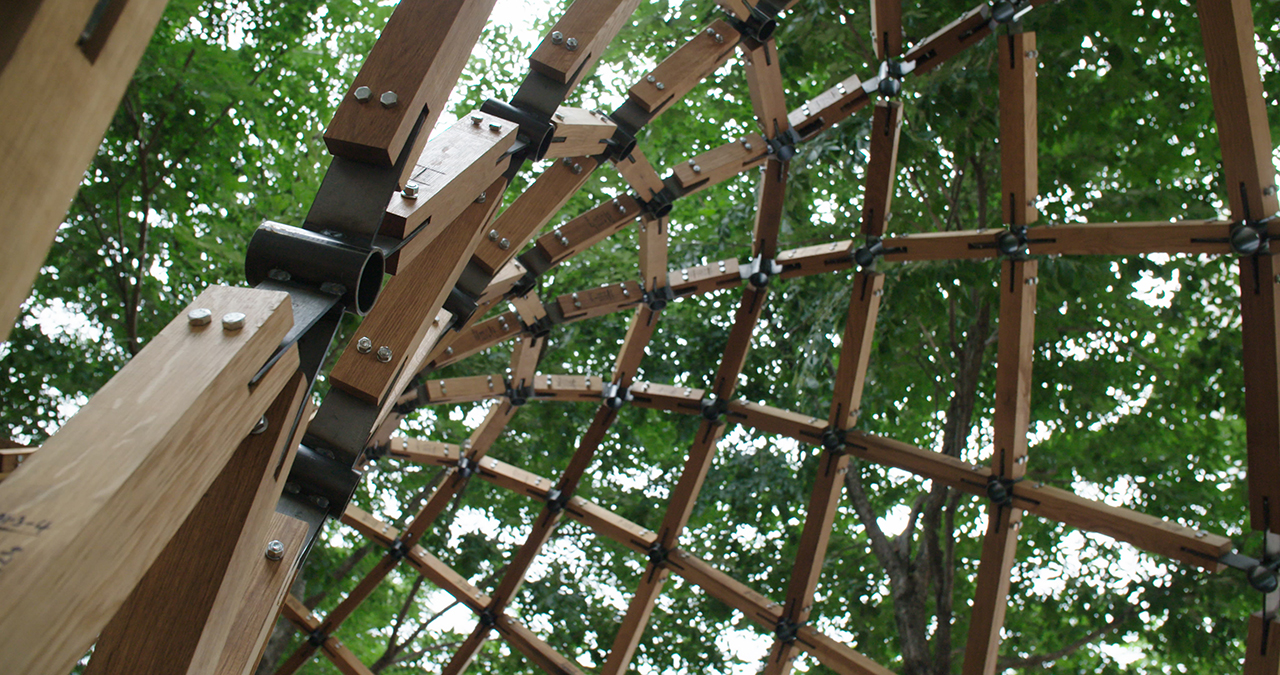
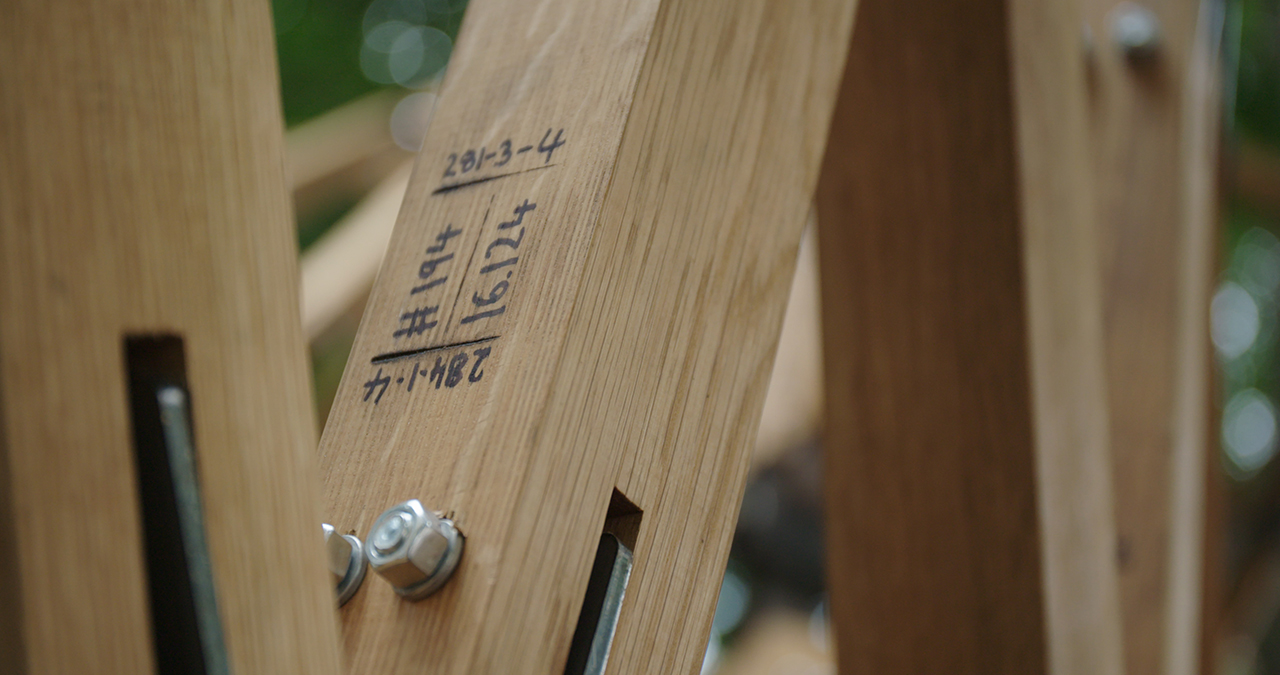
In this case, formal complexity is resolved through functional complexity that emerges in both units of the structural system—the node and the strut—while each also maintains a level of simplicity appropriate to respective manufacturing processes and material properties.

Photo of Design Biennial Boston, Photo by Messinger, View of site and pavillion at sunset

Messinger

Photo of Design Biennial Boston, Photo by Messinger, Exterior View of Pavillion and site

Messinger

Photo of Design Biennial Boston, Photo by Messinger, View of site and pavillion at sunset

Messinger

The structure was fabricated using state-of-the art collaborative robotic fabrication techniques and a merger of traditional craftsmanship and computationally driven manufacturing processes.

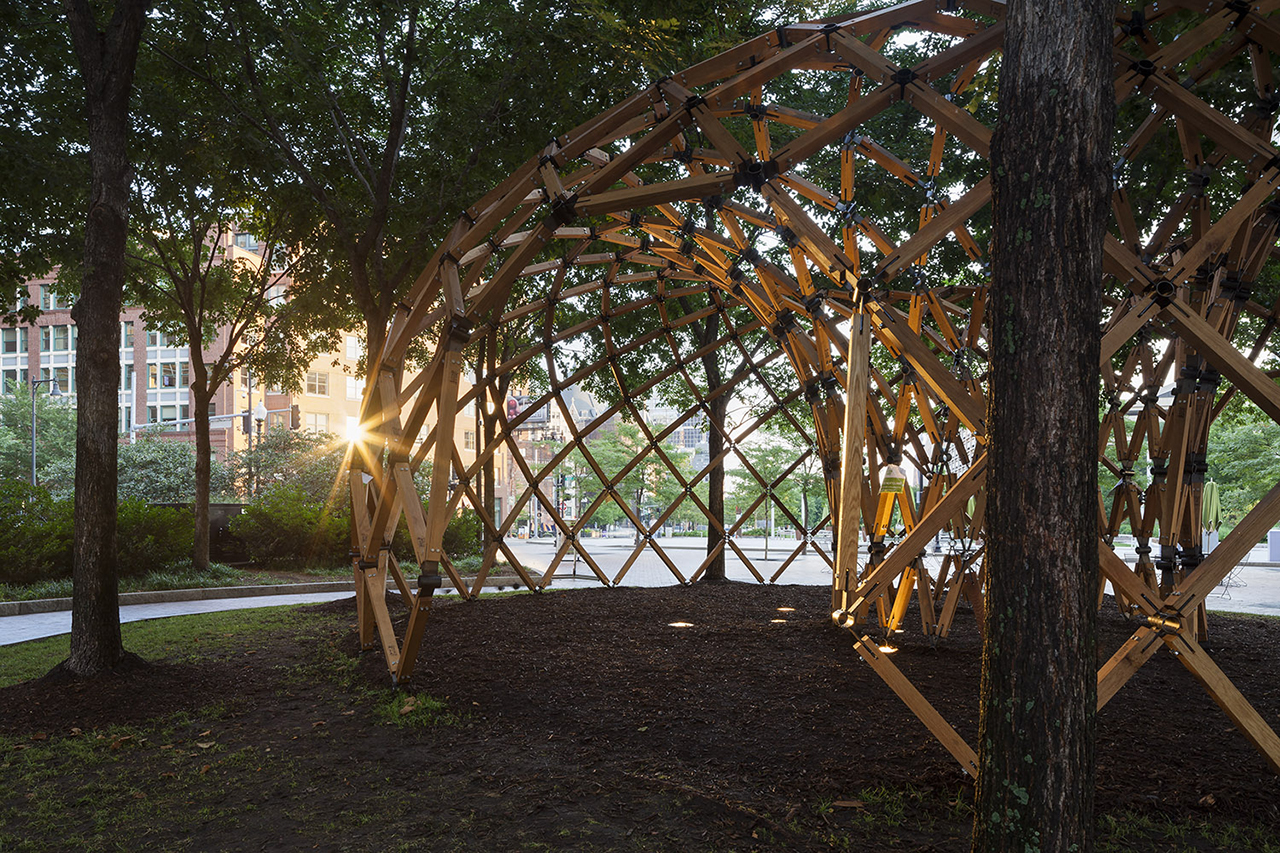
Photo of Design Biennial Boston, Photo by Messinger, View of inner circle on the pavilion

Messinger

Photo of Design Biennial Boston, Photo by Messinger, View of inner circle on the pavilion

Messinger

Photo of Design Biennial Boston, Photo by Messinger, View of Inner Circle of the pavilion and site context

Messinger

In order to move from the computational design environment to one of material, the team worked in collaboration with AutodeskTM to develop a novel design-to-robotic fabrication workflow using the emerging visual scripting interface Dynamo.

Photo of Design Biennial Boston, Photo from Virginia Tech CDR, Close up of joints creating an arch

Virginia Tech CDR

Photo of Design Biennial Boston, Photo from Virginia Tech CDR, Close up on joint detail in pavilion

Virginia Tech CDR

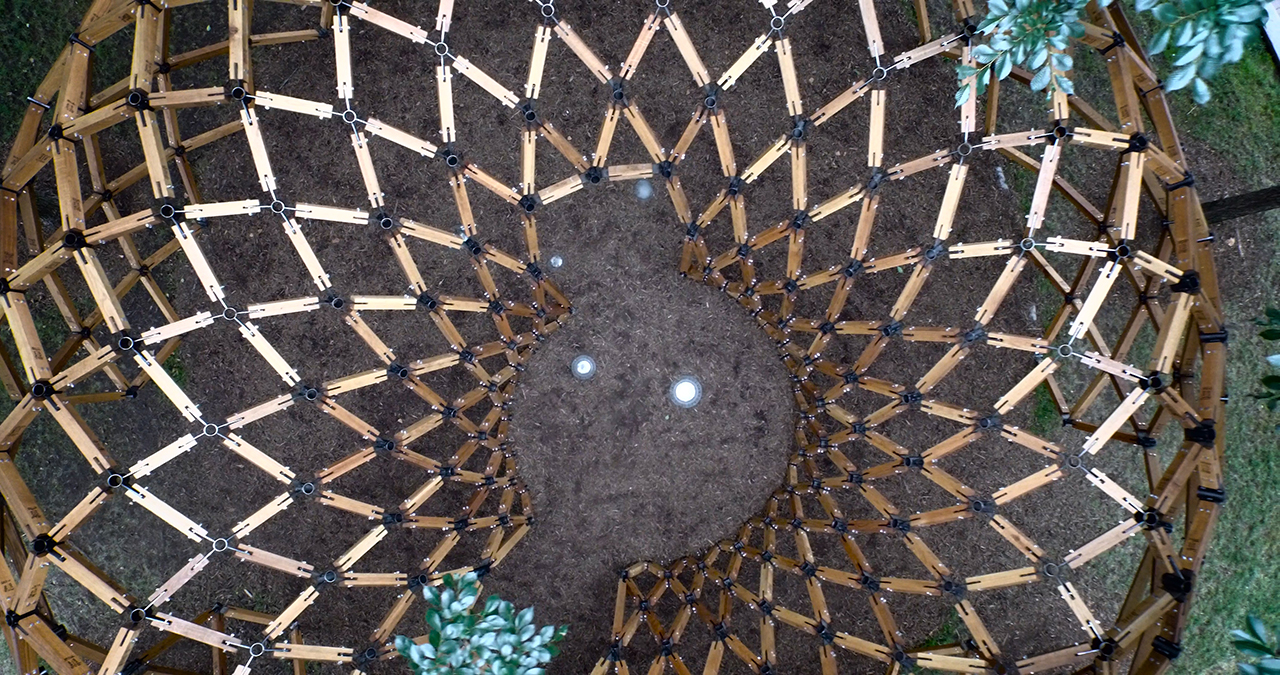
Photo of Design Biennial Boston, Aerial view of the pavillion and site

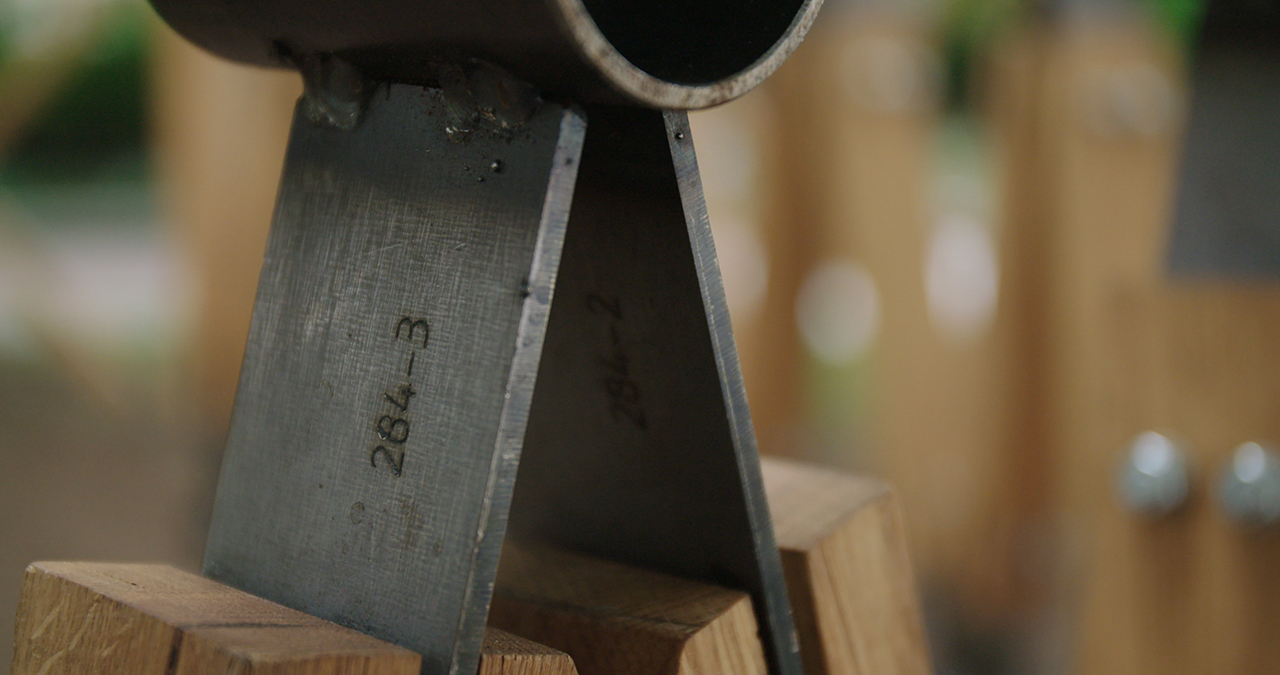
A custom robotically assisted welding process was developed to assemble 1880 steel parts making up 376 nodes and saving over three weeks of labor when compared to traditional processes.

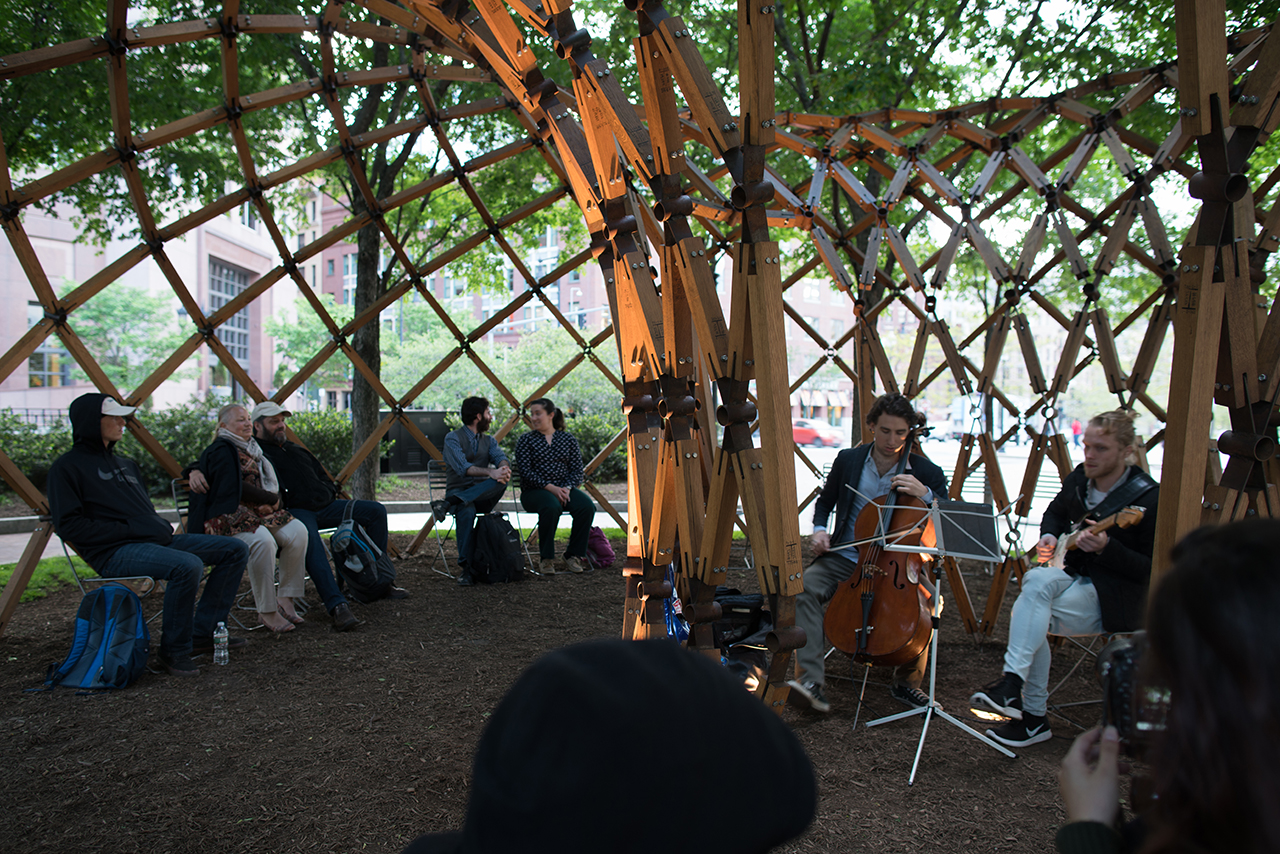
Photo of Design Biennial Boston, Exhibition of musicians in pavilion
Photo of Design Biennial Boston, Photo by Messinger, View of inner circle on the pavilion

Messinger

The process used during the construction of the Lo-Fab pavilion demonstrates that the use of advanced technology and respect for materials and manual skill are not mutually exclusive.

Photo of Design Biennial Boston, Exhibition of musicians in pavilion

Now, in its second year on display on the Boston Greenway, the Lo-Fab Pavilion has helped bring the MASS mission to over 1.2 Million visitors.

Photo of Design Biennial Boston, Photo from Virginia Tech CDR, Close up on custom joinery branding details

Virginia Tech CDR

The project was made possible through collaboration between MASS Design Group; Virginia Tech, School of Architecture + Design – Center for Design Research; Autodesk; Rudabega; and the United Nathans with support provided by the Autodesk BUILD Grant program.