

Size

6,000 sq. m.

Year

2011

Status

Completed

Client

Rwanda Ministry of Health, Partners In Health

Partners

ICON, Partners In Health, EcoProtection, ElectroMed

Alan Ricks, AIA, Int FRIBA

Alan Ricks, AIA, Int FRIBA

Founding Principal & Chief Design Officer

Alan is a Founding Principal and the Chief Design Officer of MASS Design Group. He leads strategy and design of the 100-person firm, which has projects in over a dozen countries that range from design to research to policy—a portfolio that continues to expand the role of design in advancing a more just world.

In 2017 Alan and MASS were awarded the National Design Award for Architecture from the Cooper Hewitt, Smithsonian Design Museum. First launched at the White House in 2000 as an official project of the White House Millennium Council, the annual Awards program celebrates design as a vital humanistic tool in shaping the world, and seeks to increase national awareness of the impact of design through education initiatives.

In 2018 he and MASS received the Arts and Letters Award for Architecture from the American Academy of Arts and Letters. Each year the Academy honors over 70 composers, artists, architects, and writers with awards and prizes. Recipients must be nominated by an Academy member and this year the jury included Annabelle Seldorf, James Polshek, Tod Williams, Billie Tsien, Steven Holl, Kenneth Frampton, and Thom Mayne.

Alan is a member of The Forum of Young Global Leaders with the World Economic Forum, a community of over 800 men and women selected under the age of 40, who operate as a force for good to overcome barriers that elsewhere stand in the way of progress. The community is made up of leaders from all walks of life, from every region of the world, and from every stakeholder group in society.

Currently, he is the William B. and Charlotte Shepherd Davenport Visiting Professor at the Yale School of Architecture and has previously taught at the Harvard Graduate School of Design. He regularly speaks, writes, and creates films focused on the role of architecture in catalyzing social change. Chris Anderson, chief curator of TED, described his TED talk as “a different language about what architecture can aspire to be.”

He has a Bachelor of Arts from Colorado College and a Master of Architecture from the Harvard Graduate School of Design.
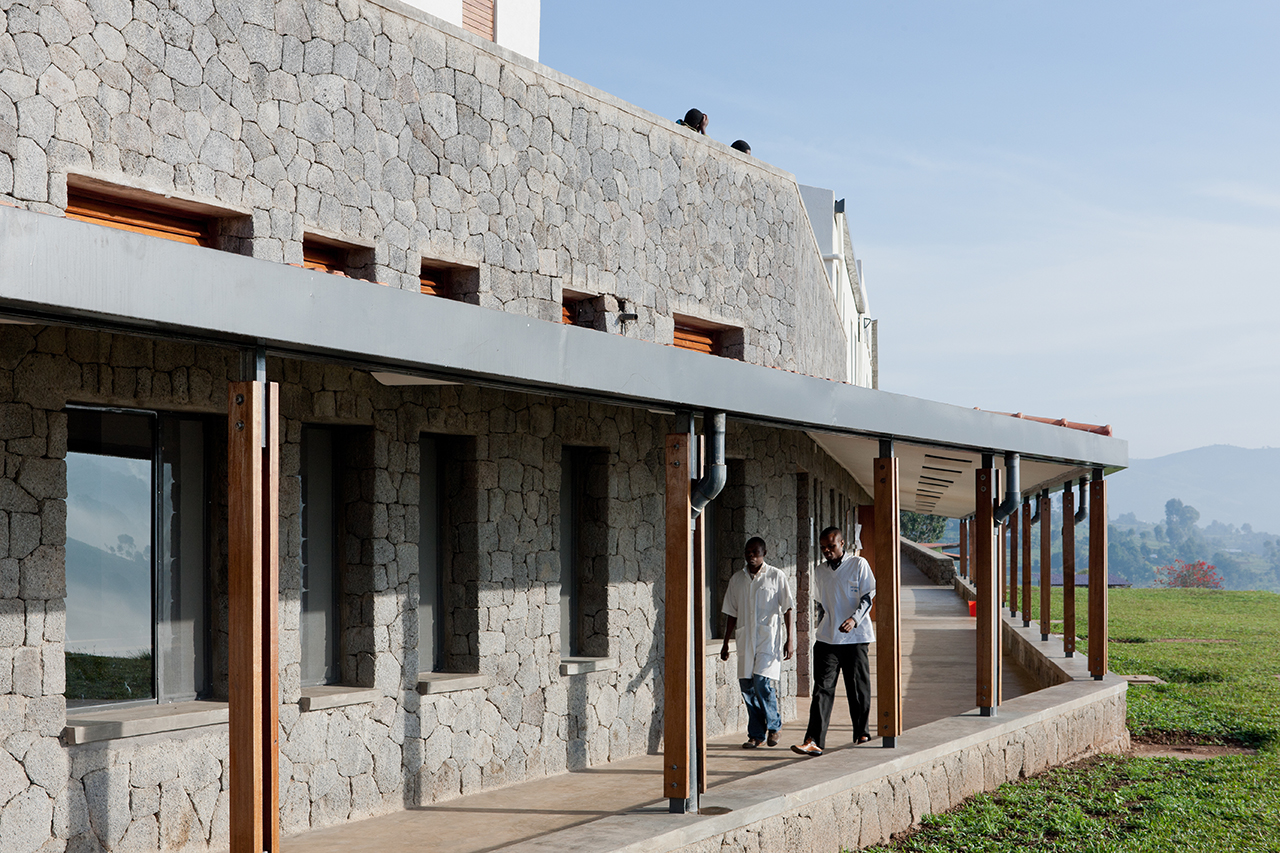
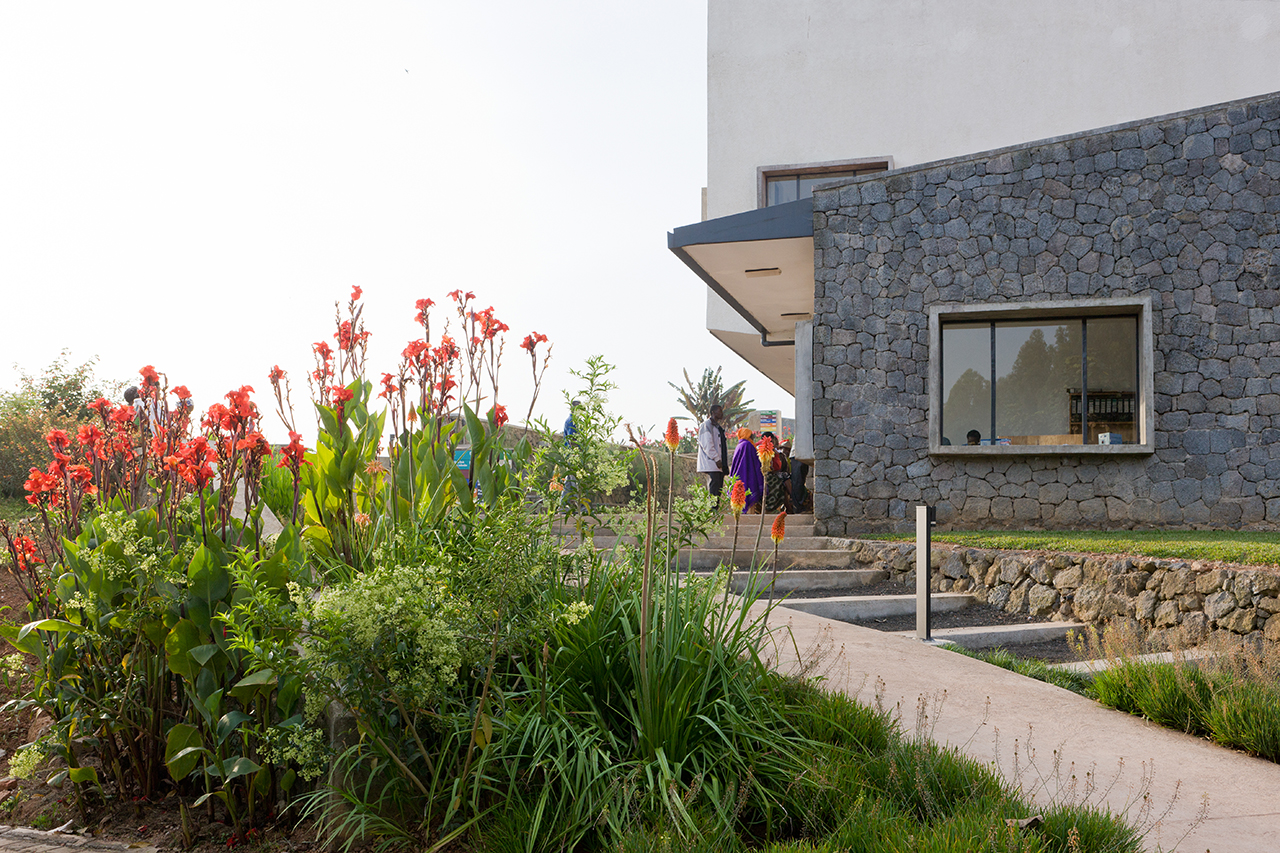
Photo of Michael Murphy, Co-founder and CEO of MASS Design Group.

Michael Murphy

Founding Principal & CEO — Boston

Michael Murphy, Int FRIBA, is the Founding Principal and Executive Director of MASS Design Group, an architecture and design collective that leverages buildings, as well as the design and construction process, to become catalysts for economic growth, social change, and justice. Since MASS's beginnings, their portfolio of work has expanded to over a dozen countries and span the areas of healthcare, education, housing, urban development. MASS’s work has been published in over 900 publications and awarded globally. Most recently, MASS has been recognized as the winners of the national Arts and Letters Award for 2017 and the 2017 Cooper Hewitt National Design Award. Michael’s 2016 TED talk has reached over a million views, and was awarded the Al Filipov Medal for Peace and Justice in 2017. MASS's project, the National Memorial for Peace and Justice was named the single greatest work of American architecture in the 21st century. Michael has taught at the Harvard Graduate School of Design, University of Michigan, and Columbia University’s Graduate School of Architecture Planning and Preservation. Michael is from Poughkeepsie, NY, and holds a Master of Architecture from Harvard Graduate School of Design and a Bachelor of Arts from the University of Chicago.

Design Team

Michael Murphy, Alan Ricks, Sierra Bainbridge, David Saladik, Marika Shioiri-Clark, Ryan Leidner, Alda Ly, Garret Ganter, Cody Birkey, Ebbe Strathairn, Maura Rockcastle, Robert Harris, Commode Dushimimana, Nicolas Rutikanga

Consultants

Civil: EcoProtection
Engineering, Structural: ICON
Construction Management: Bruce Nizeye, Felix Ndagijimana
Signage: Vignelli Associates

Photo of Butaro District Hospital, Photo by Iwan Baan, Exterior of Building and Butaro Hills

© Iwan Baan

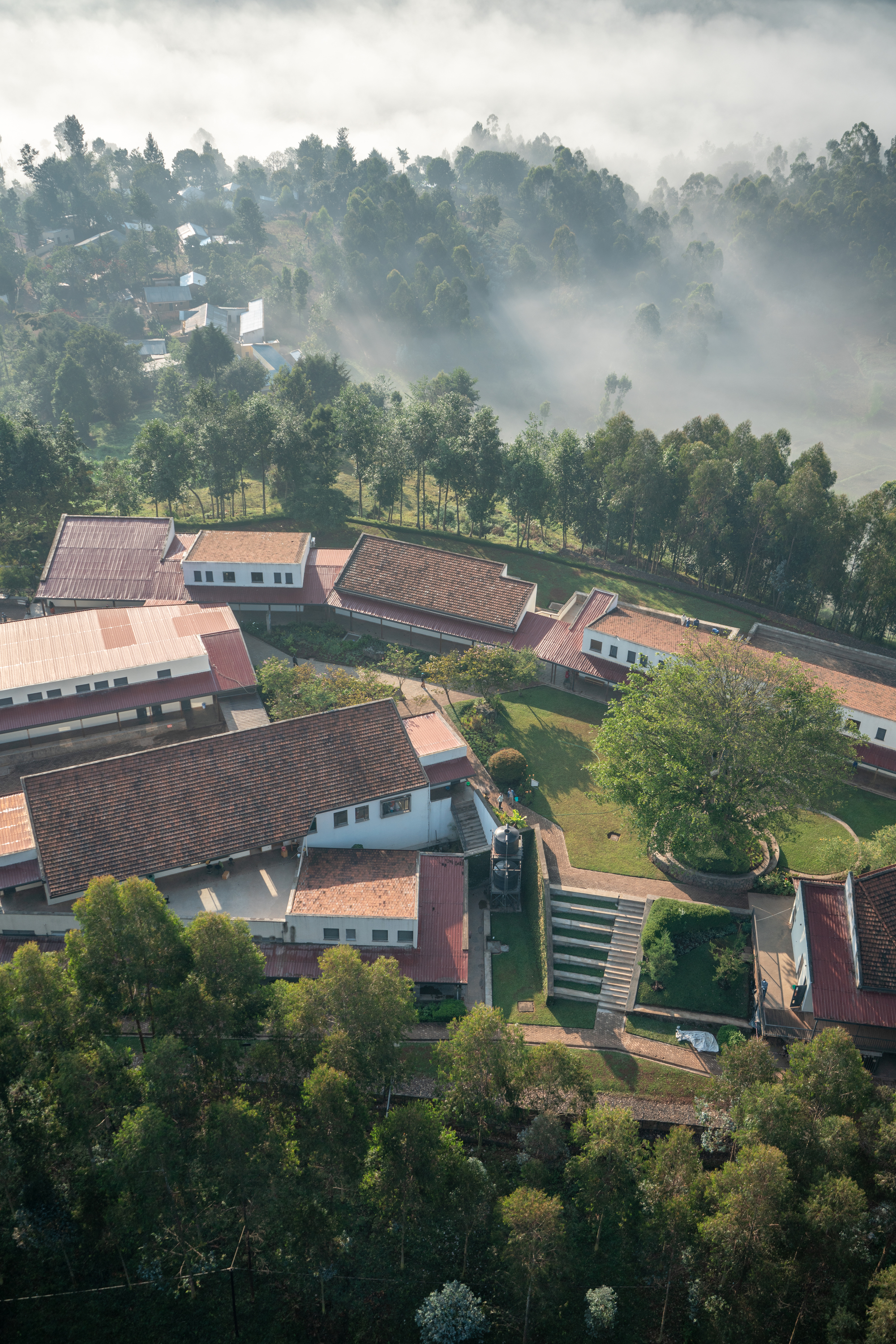
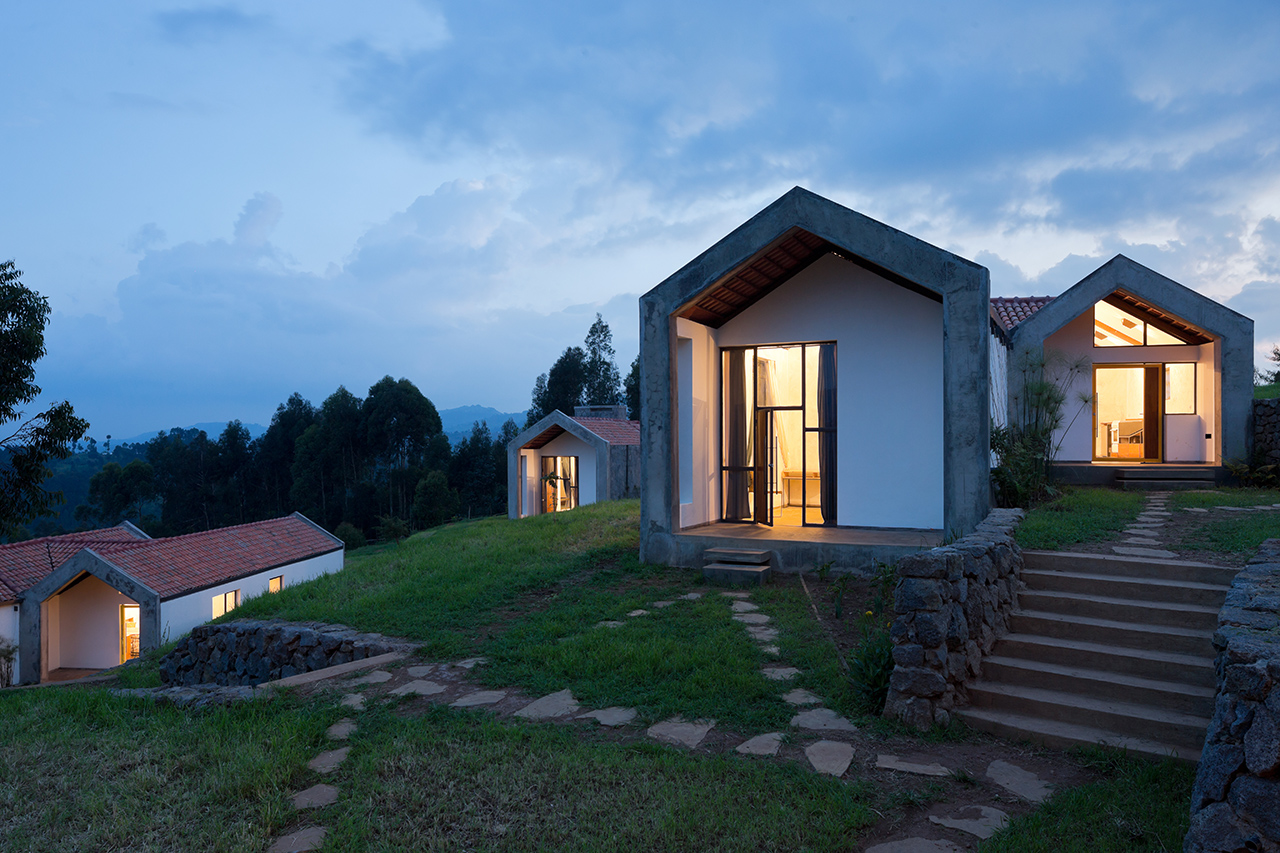
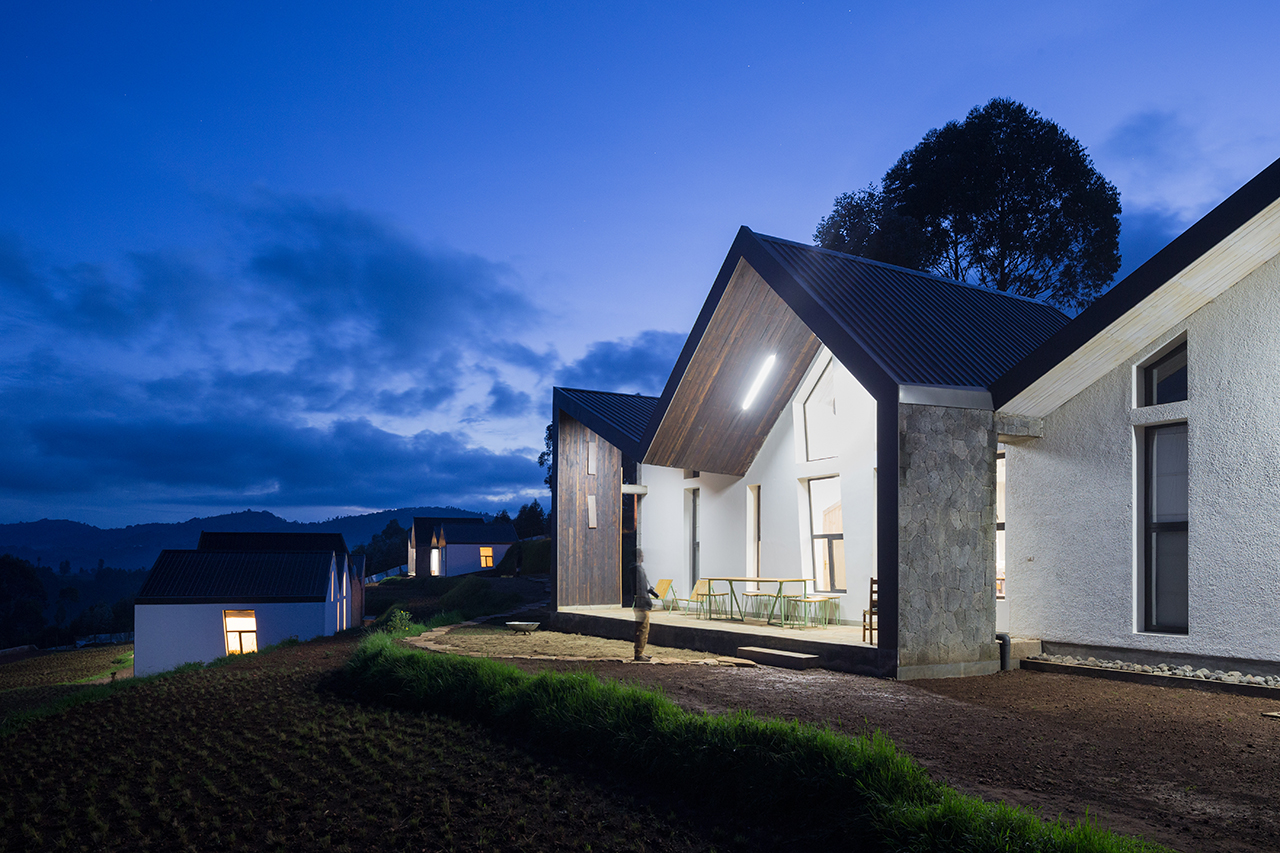
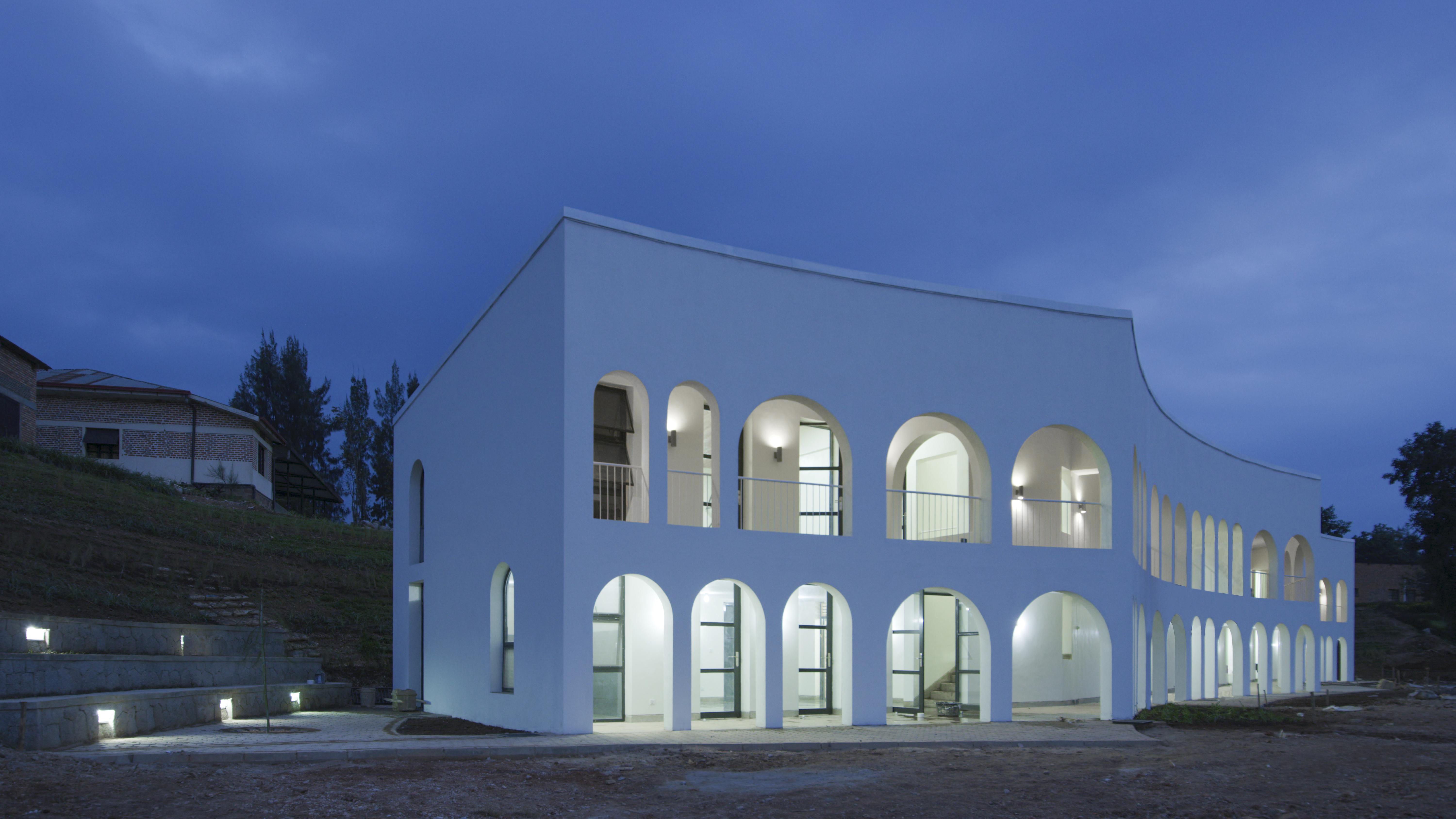
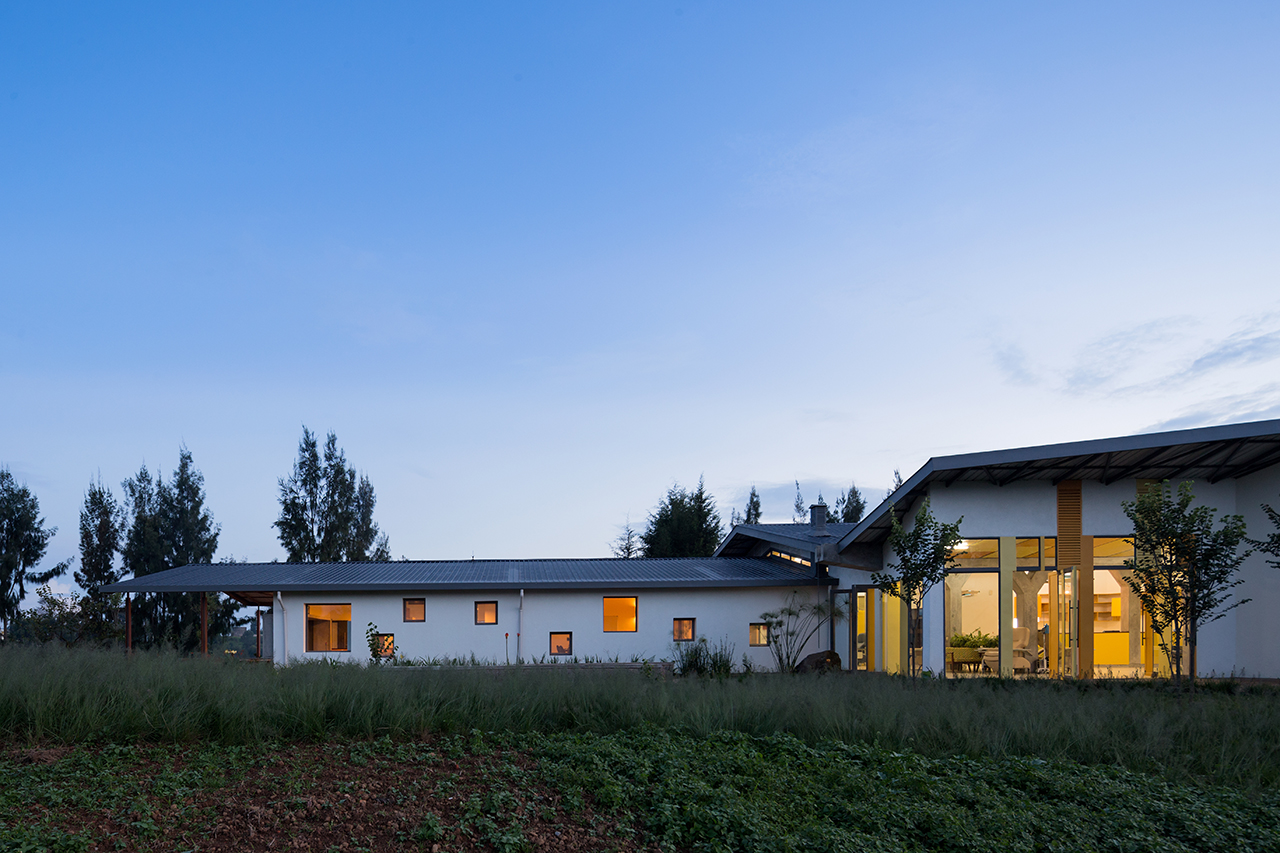
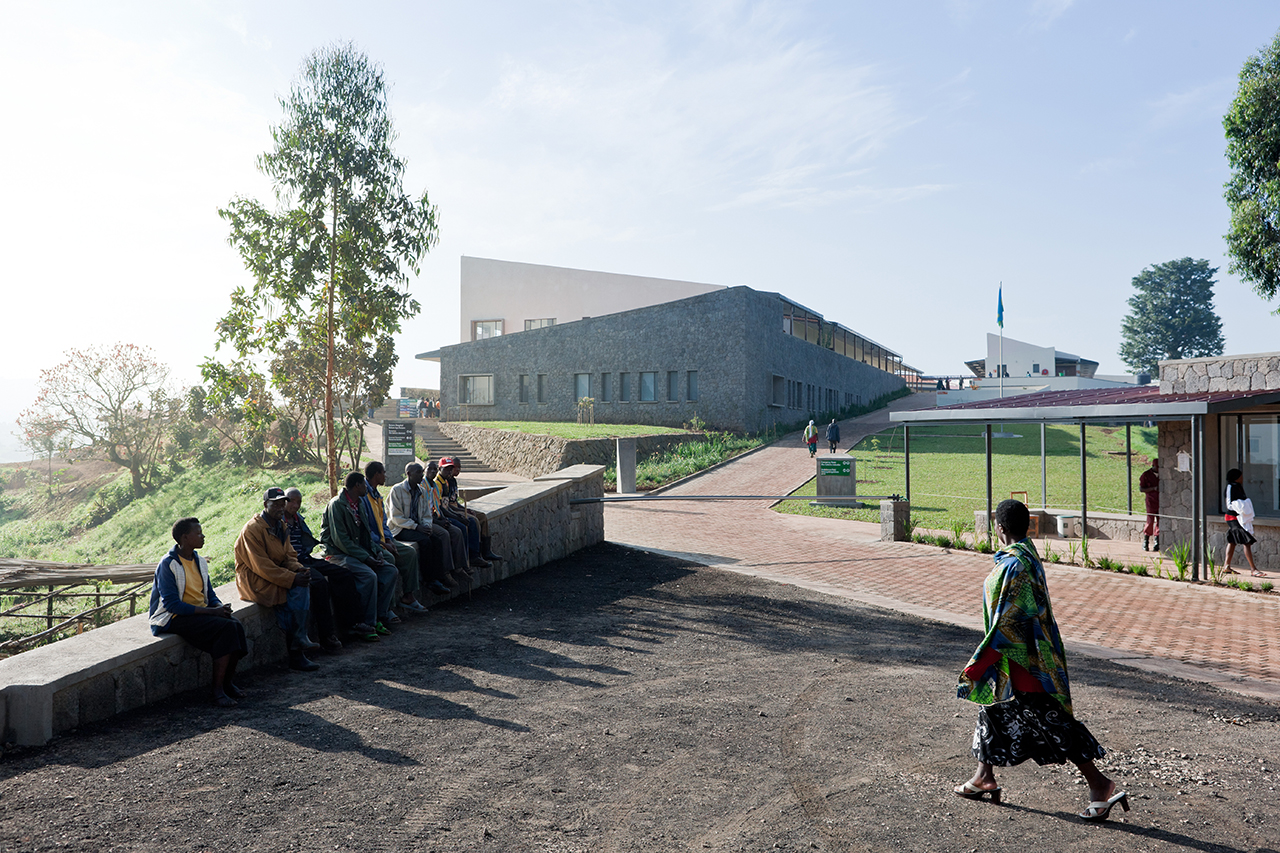
The 150-bed Butaro District Hospital was developed to provide both in- and outpatient services, with a particular emphasis on maternal health. A laboratory, neonatal intensive care unit, and operating rooms were core programs to provide referral and critical care services. Centered around an umuvumu tree—a traditional community gathering place in Rwanda—the hospital is a landscaped campus of buildings on the terraced hillside.

In 2007, Butaro was one of the 
last two districts in Rwanda without a tertiary care hospital, leaving a population of 340,000 without access to a single doctor.

Alan Ricks, AIA, Int FRIBA

Alan Ricks, AIA, Int FRIBA

Alan Ricks, AIA, Int FRIBA

Alan Ricks, AIA, Int FRIBA

Founding Principal & Chief Design Officer

Alan is a Founding Principal and the Chief Design Officer of MASS Design Group. He leads strategy and design of the 100-person firm, which has projects in over a dozen countries that range from design to research to policy—a portfolio that continues to expand the role of design in advancing a more just world.

In 2017 Alan and MASS were awarded the National Design Award for Architecture from the Cooper Hewitt, Smithsonian Design Museum. First launched at the White House in 2000 as an official project of the White House Millennium Council, the annual Awards program celebrates design as a vital humanistic tool in shaping the world, and seeks to increase national awareness of the impact of design through education initiatives.

In 2018 he and MASS received the Arts and Letters Award for Architecture from the American Academy of Arts and Letters. Each year the Academy honors over 70 composers, artists, architects, and writers with awards and prizes. Recipients must be nominated by an Academy member and this year the jury included Annabelle Seldorf, James Polshek, Tod Williams, Billie Tsien, Steven Holl, Kenneth Frampton, and Thom Mayne.

Alan is a member of The Forum of Young Global Leaders with the World Economic Forum, a community of over 800 men and women selected under the age of 40, who operate as a force for good to overcome barriers that elsewhere stand in the way of progress. The community is made up of leaders from all walks of life, from every region of the world, and from every stakeholder group in society.

Currently, he is the William B. and Charlotte Shepherd Davenport Visiting Professor at the Yale School of Architecture and has previously taught at the Harvard Graduate School of Design. He regularly speaks, writes, and creates films focused on the role of architecture in catalyzing social change. Chris Anderson, chief curator of TED, described his TED talk as “a different language about what architecture can aspire to be.”

He has a Bachelor of Arts from Colorado College and a Master of Architecture from the Harvard Graduate School of Design.
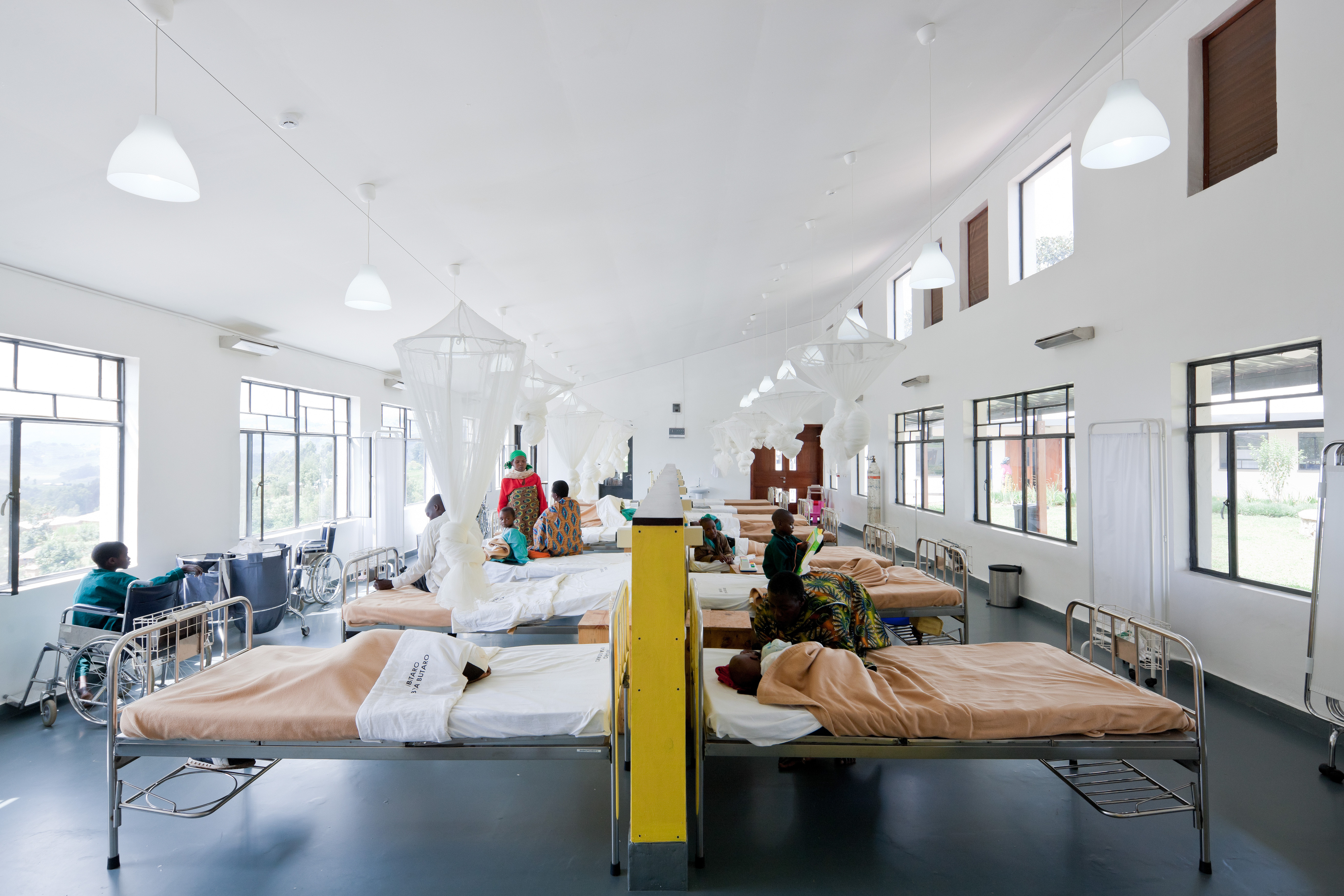
Photo of Butaro District Hospital, Photo by Iwan Baan, Exterior Hallway with Doctor and Patient Passing By

© Iwan Baan

Photo of Butaro District Hospital, Photo by Iwan Baan, View of Gardening in the Butaro Landscape and Masonry Wall

© Iwan Baan

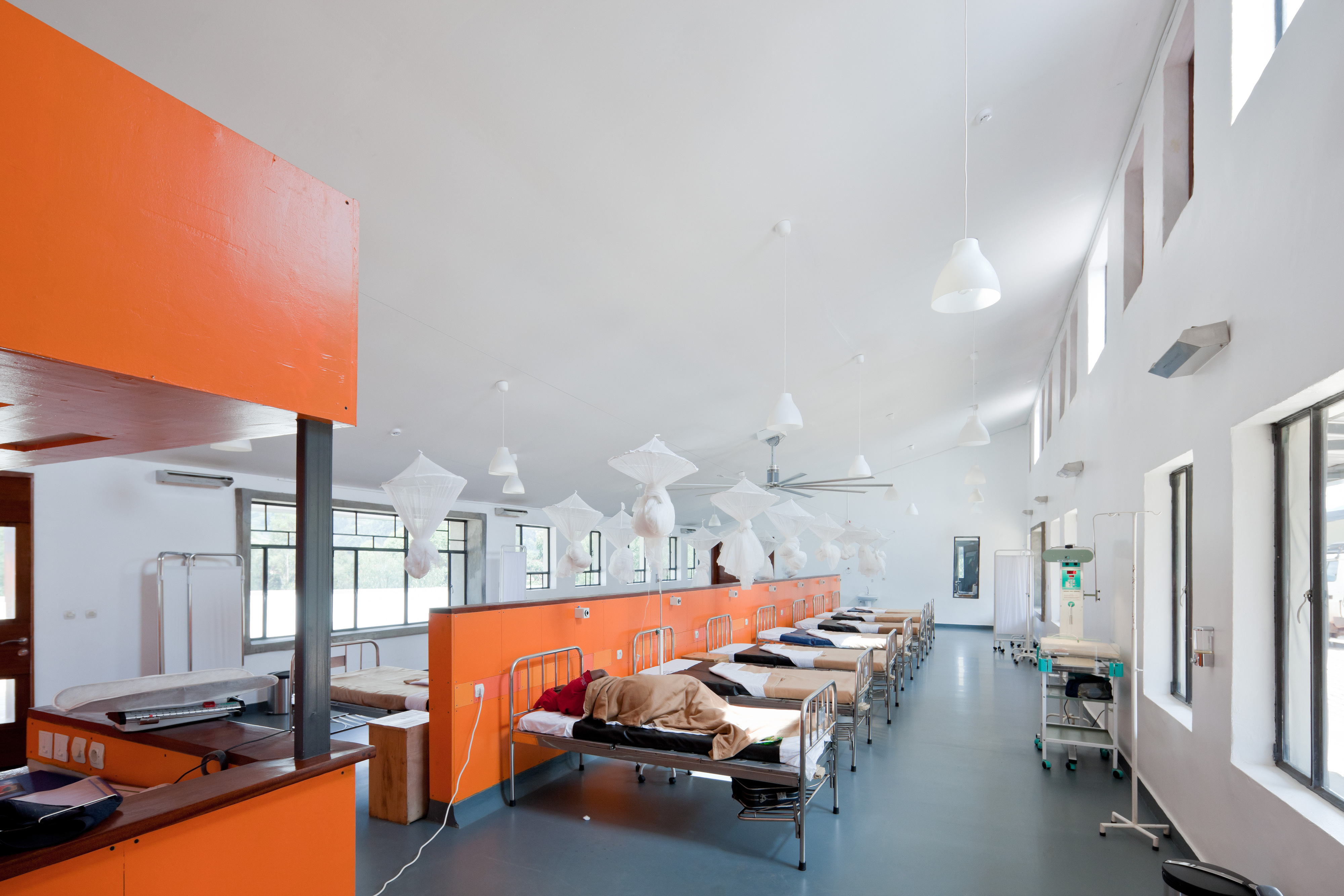
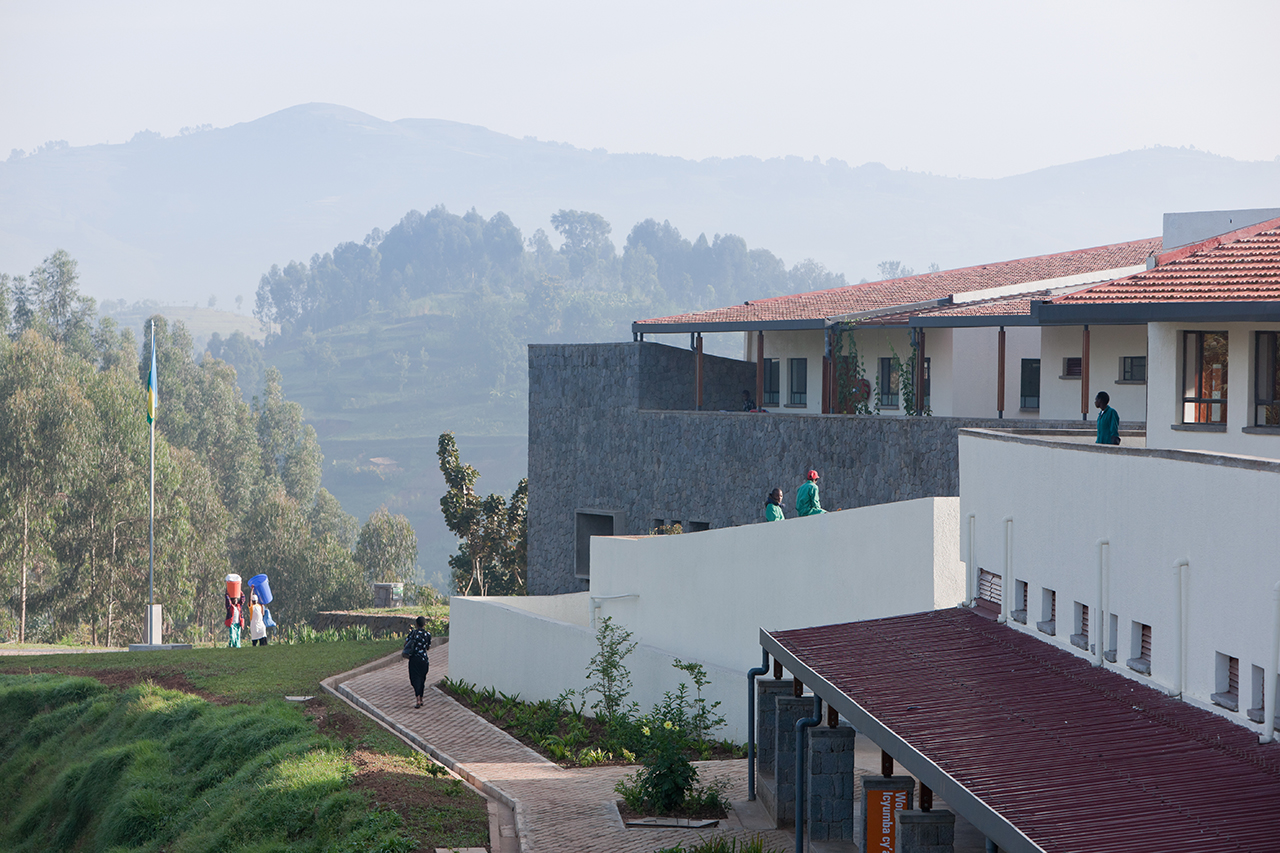
The Butaro District Hospital is designed to mitigate and reduce the transmission of airborne disease through various systems, including overall layout, patient and staff flows, and natural cross-ventilation. All hallways in the hospital are located along the building’s perimeter so that patients and staff can move throughout the hospital in open-air. Inside, the hospital wards offer each patient a large window with a view of the Rwandan landscape, as well as natural light and ventilation. Cross-ventilation is supported through the use of high-volume, low-speed fans; louvers; large operable windows; and high ceilings to circulate air comfortably and reduce the risk of reinfection among patients.

Photo of Butaro District Hospital, Photo by Iwan Baan, Hospital Room and Patient Area

© Iwan Baan

Photo of Butaro District Hospital, Photo by Iwan Baan, Hospital Room and Patient Area

© Iwan Baan

In each ward, Ultraviolet Germicidal Irradiation (UGVI) light fixtures neutralize microbes as air is drawn upward, further lowering the risk of infection and disease transmission. A non-permeable, continuous floor finish provides an easy-to-clean and durable surface.

Photo of Butaro District Hospital, Photo by Iwan Baan, Aerial view of the main campus

© Iwan Baan

Volcanic Stone
Photo of the Butaro Hospital, Photo by Iwan Baan

Butaro District Hospital. © Iwan Baan

Made By and For the Local Community

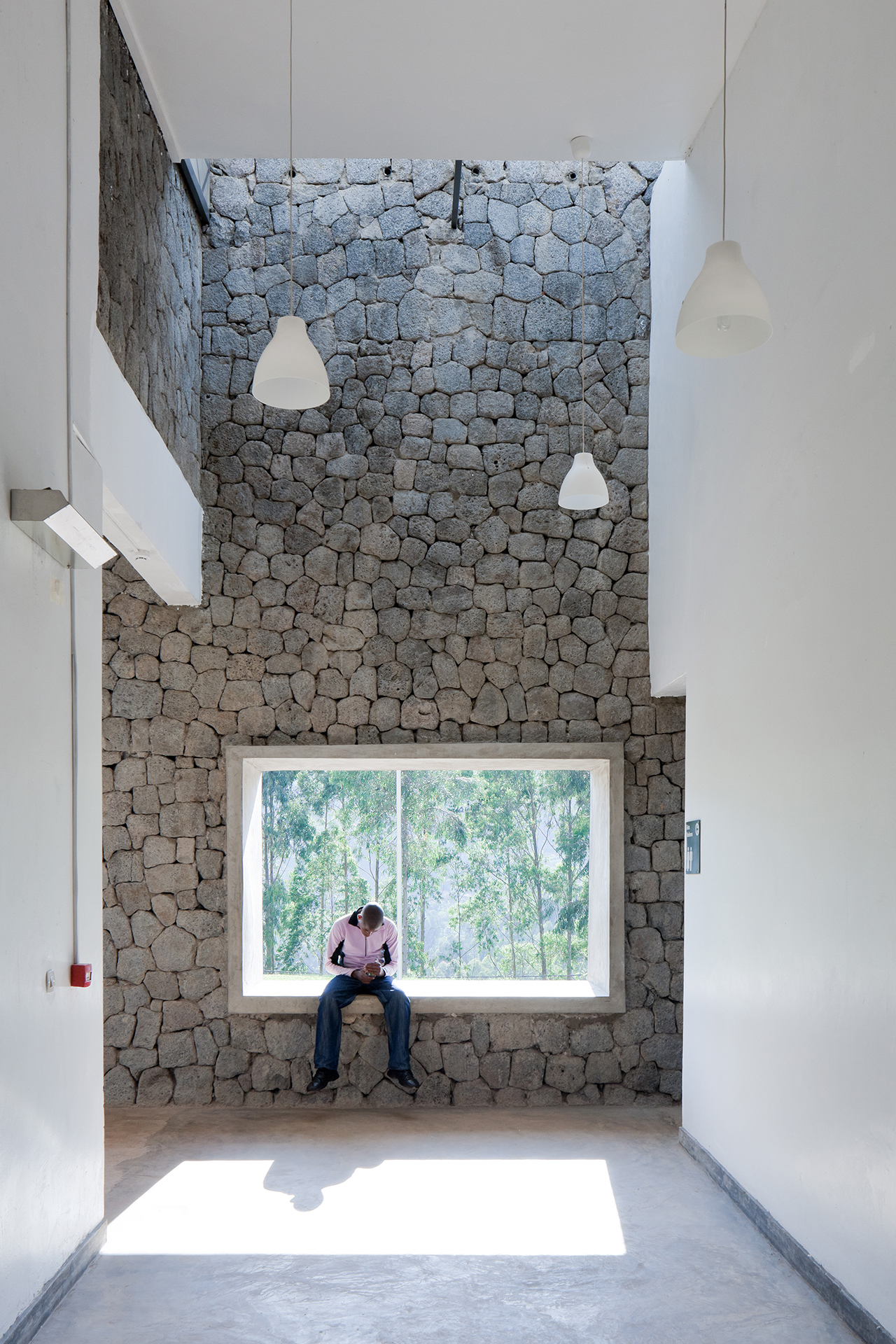
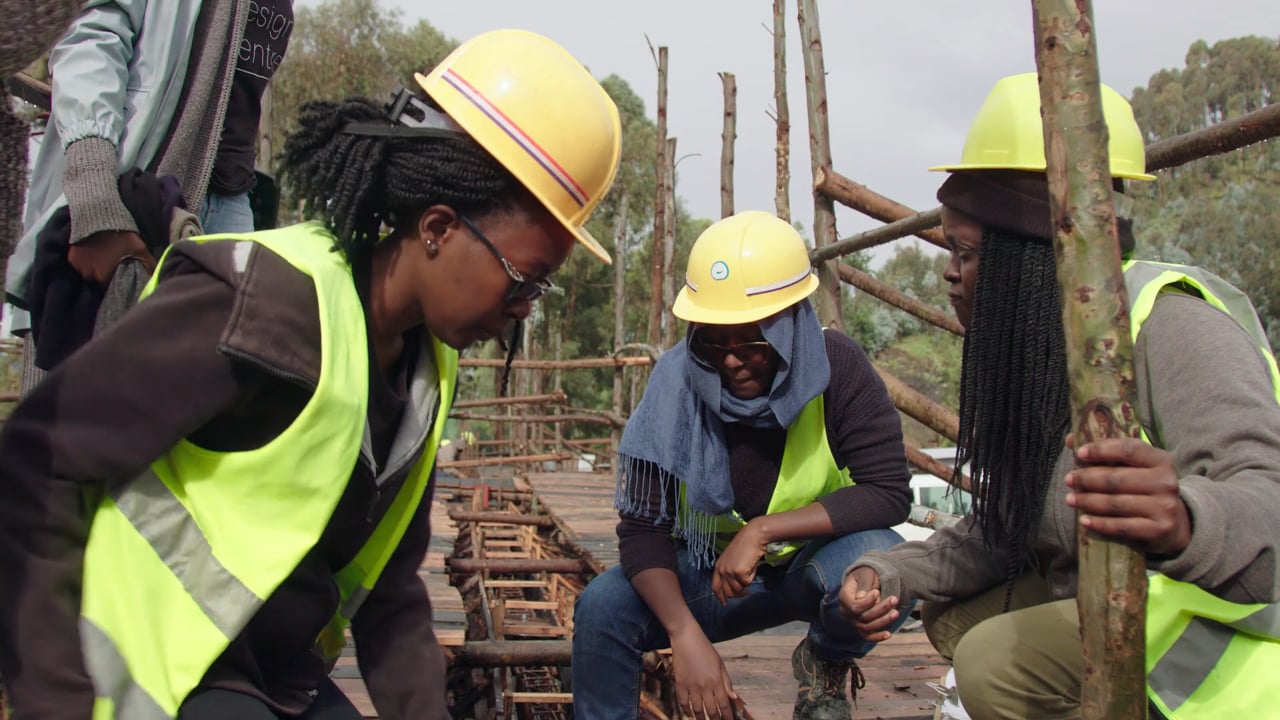
Sourcing local materials—such as volcanic rock from the Virunga mountain chain—and working with local craftspeople delivered a site-appropriate and sustainable design, reduced the project’s embodied carbon, and ensured that 85 percent of the building costs were invested into the local economy.

The Butaro District Hospital was MASS Design Group’s first project as an organization, and its first project on the Butaro District Hospital Campus, which would later grow to incorporate other MASS projects including Butaro Doctors’ Housing, Doctors’ Sharehousing, the Butaro Cancer Center of Excellence, and an Oncology Support Center.

85%

of the costs of building were invested into the local economy.

Photo of the Butaro Hospital, Photo by Iwan Baan

Butaro District Hospital. © Iwan Baan

Landscapes at Butaro

Well-planned exterior environments on a healthcare facility’s campus can provide a greater sense of patient privacy, the circulation of cool air through hospital wards, and the draining of rainfall away from the building. Increased vegetation and views to gardens have also been shown to reduce stress and pain perception in patients, as well as increase retention of nursing staff.

At the Butaro District Hospital, landscape is an integral factor in the design to reduce the spread of infection. The addition of trees and shrubs helps stabilize the steep hillside, while also creating shaded seating areas that encourage patients to remain outside where the chance of airborne disease transmission is greatly reduced. Minimizing hardscape in favor of semipermeable landscaping prevents the formation of standing pools of water, which can serve as breeding sites for vector-borne diseases.