

Size

Site: 70,000 sq. ft. / 6,502 sq. m.

Year

2020

Status

Completed

Client

African Leadership University

Patricia Gruits, RA, LEED AP

Patricia Gruits, RA, LEED AP

Senior Principal & Managing Director — Boston

"I believe that the built environment impacts our lives and we can design the process to create positive social change."

Patricia Gruits is a Senior Principal with MASS Design Group leading both design and research projects in health, education, and equity. Since joining MASS in 2013, she has led the design of the Maternity Waiting Village in Malawi with the Malawi Ministry of Health, the African Leadership University, a series of primary schools in East Africa with the African Wildlife Foundation and the MSquared Foundation, and the development the Ellen DeGeneres Campus of the Dian Fossey Gorilla Fund.

Currently, Patricia leads design and research initiatives at MASS with a focus on planning, design, and evaluation. Her work is aimed at engaging and empowering stakeholders in the design process; supporting and substantiating the impact of design on health, social, and environmental outcomes; and translating research into design strategies and decision-making. She has coordinated the creation of the Purpose Built series— a set of tools for creating impact-driven design— and has implemented this approach in the design of affordable housing, healthcare, and urban design projects around the globe. Patricia has also managed a range of design projects aimed at proving the impact of the built environment on individual and community health in the United States, including a collaboration with the mayor’s working group to address issues of homelessness, addiction and recovery in Boston and partnered with community development corporations to create affordable and supportive housing.

Patricia collaborated with the Joint Center of Housing Studies at Harvard to create guidelines for Safe Interaction in Senior Affordable Housing in response to COVID-19, and has lectured at the Harvard School of Public Health as a part of the USAID sponsored Airborne Infection Control course. She has taught design studios focusing on social impact at the Boston Architectural College and RISD. Her work has been published in journals of architecture and health and was recently awarded the “Top 40 under 40” for Sustainable Design by Impact Design Hub.
Project Team - Innovation City Campus

Patricia Gruits, Nicki Reckziegel, Emily Goldenberg, Bethel Abate, Lysette Niragira, Aziz Farid Shyaka, Symphorien Gasana, Michael Murphy

CA Team - Innovation City Campus

Jean Damascene Sekamana, Nicki Reckziegel, Symphorien Gasana, Bethel Abate, Obed Sekamana, Cam Bailey, Tilly Lenartowicz, Christian Uwinkindi, Gilbert Herve Ngenzi, Harriet Kirk, Greg Dalke, Adam Saltzman, Christian Benimana

Supporting Team - Innovation City Campus

Martine Dushime, Josh Greene, Therese Graf, Alex Dallas, Shakira Nyiratuza, Jenny Kay, Nelson Habintwari, Lamy Subira, Sherryen Mutoka, Giorgio Azzariti, Ines Uwimbabazi, Kelly Doran, Sarah Mohland

Collaborators - Innovation City Campus

Arup (Structural and Civil Engineering Design)
MASS (Engineer of Record)
The Landscape Studio (Landscape Architecture)
MEW Consultants LTD (Quantity Surveying)
SUMMA (Contractor)

Project Team - Kigali Heights Campus

Patricia Gruits, Erinn McGurn, Alex Dallas, Eva Bwiza, Lamy Subira, Claire O'Reilly, Lysette Niragira, Christelle Muhimpundu

Collaborators - Kigali Heights Campus

MEP Engineering: MASS Design Group
Construction: Costwise Construction

Africa has the youngest population in the world. By 2035, it will have the world’s largest workforce.

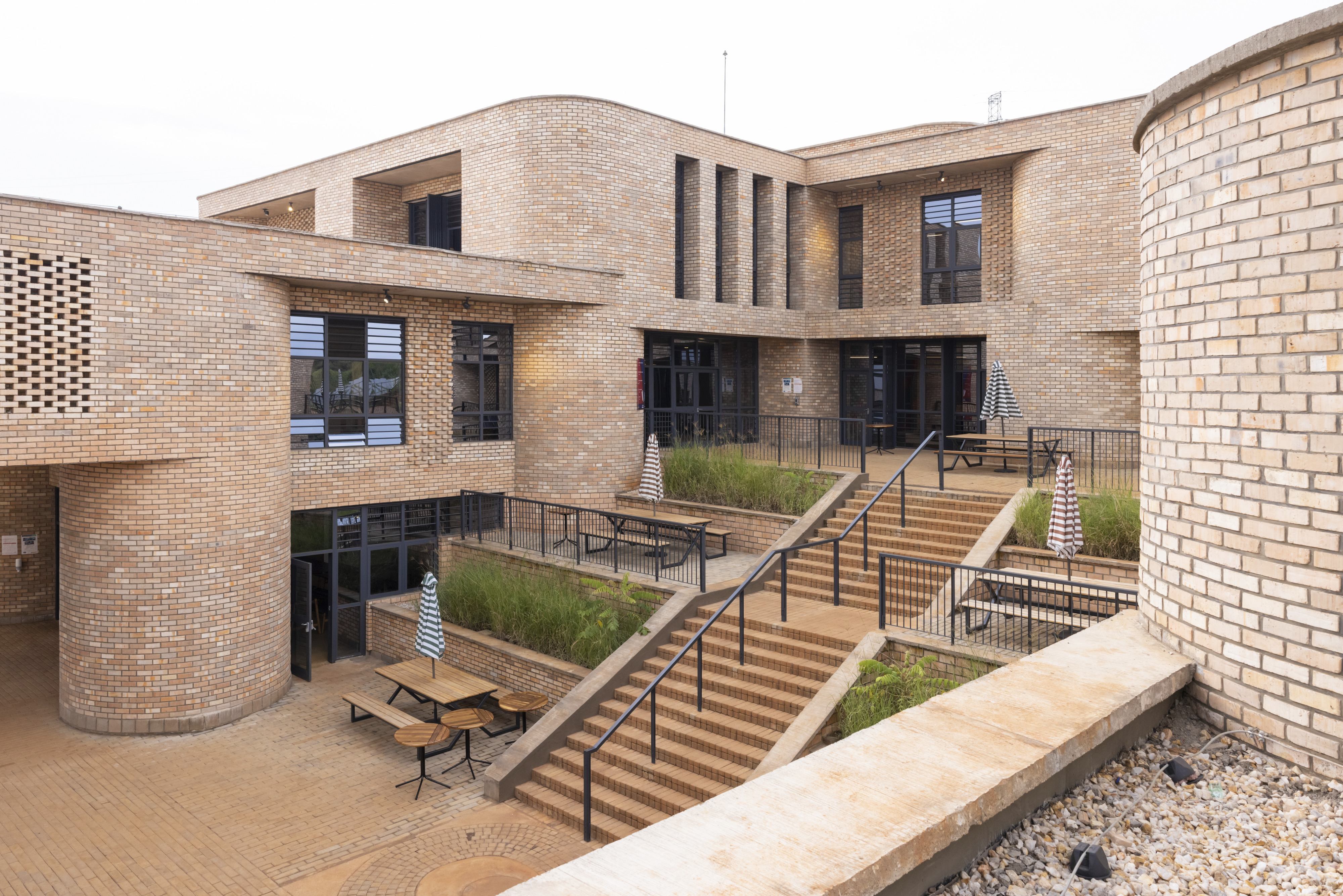
ALU Campus Courtyard

© Iwan Baan

Without enough higher education programs on the continent, nor professors to staff them, there is a very real possibility that the next generation of African leaders will not have access to the resources needed to realize their—or their nations’—full potential. A failure to provide these resources to the nearly one billion potential students that will live on the continent in the coming years will have global consequences.

African Leadership University aims to take on this challenge. Conceived by visionary partner Fred Swaniker, who leads the African Leadership Group, the school ‘s innovative educational model is geared toward providing African students with the tools to solve global problems, rather than focusing on the rote memorization of facts and figures. To address hurdles of access, Swaniker’s innovative approach is centered around self-directed education. Self-directed study is driven by online resources from other global universities; then, material is analyzed in small groups to encourage analysis, and supplemented by instructor-led classes. This model aims to provide affordable access to higher education across the continent.

ALU Campus exterior. Photo copyright - Iwan Baan

© Iwan Baan

In 2017, ALU reached out to MASS Design Group for assistance in developing a purpose-built environment to support this model. ALU piloted a small campus of 150 students in Mauritius but wanted to scale the model to deploy across the continent, starting with an initial larger-scale campus in Rwanda, which was to be included the Kigali Innovation City development—a government initiative to create a dynamic hub that co-locates tech companies, start-ups, and universities.

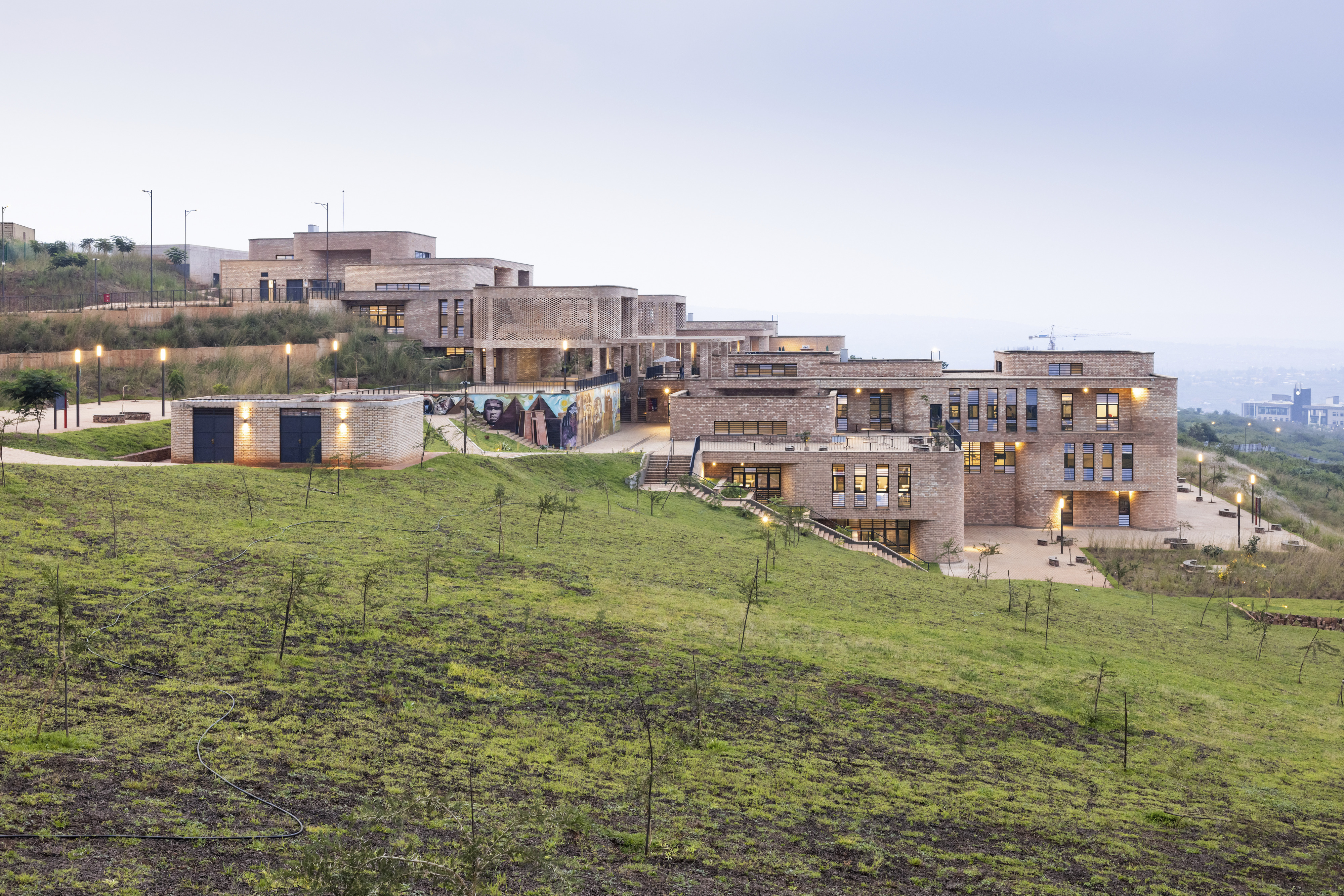
Through in-depth engagement with leadership, faculty and staff, and students, MASS developed a site-specific program, site plan, and design that create spaces to support students across each phase of learning. The result is a 70,000 square-foot campus that features student learning labs, collaborative study spaces, as well as larger shared university commons, and will house 1,200 undergraduate students.

Our goal was to create a replicable campus model that can help students achieve Swaniker’s vision of preparing students with the tools to “Declare a mission, not a major.”

Architecture

ALU Campus entrance

African Leadership University. © Iwan Baan

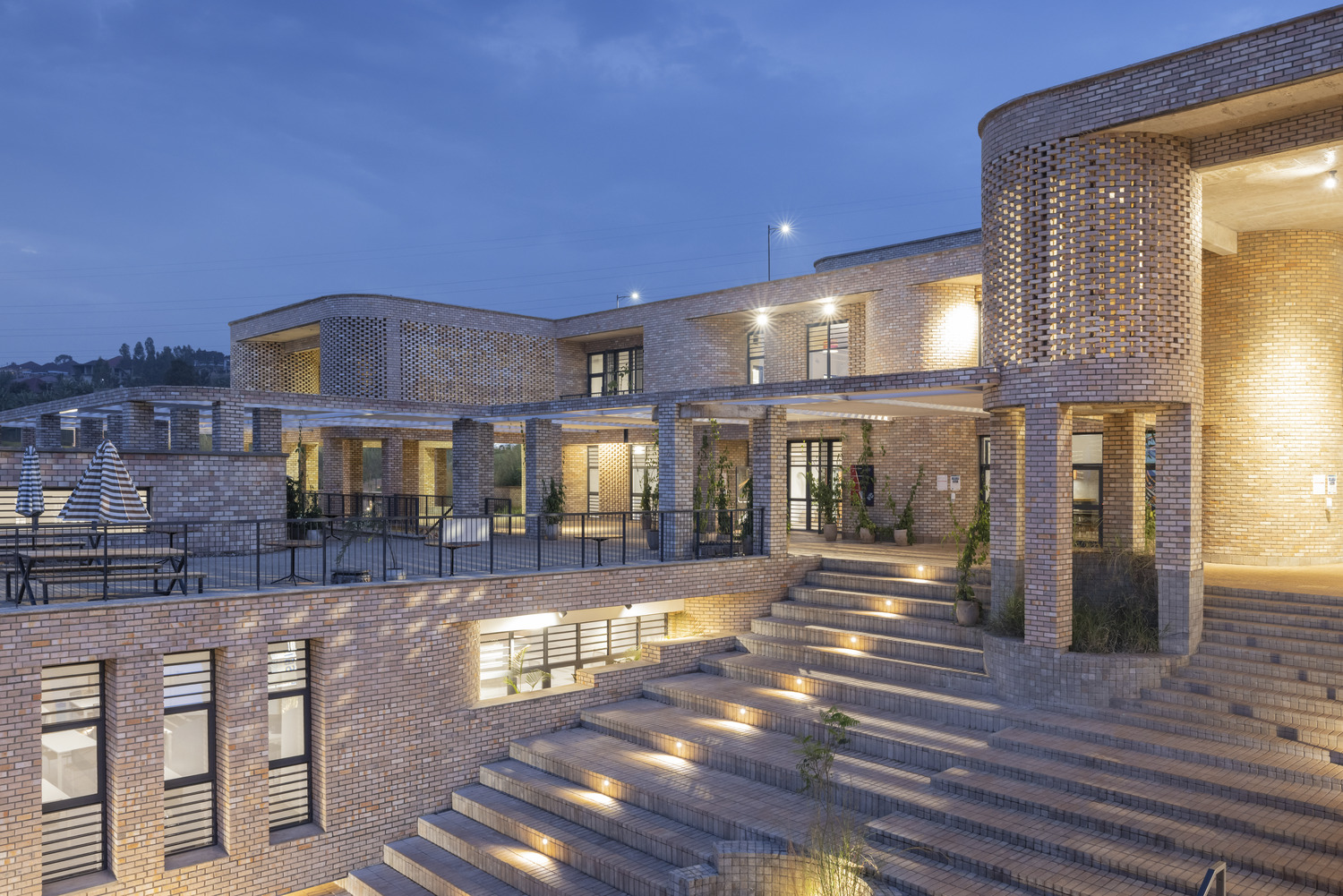
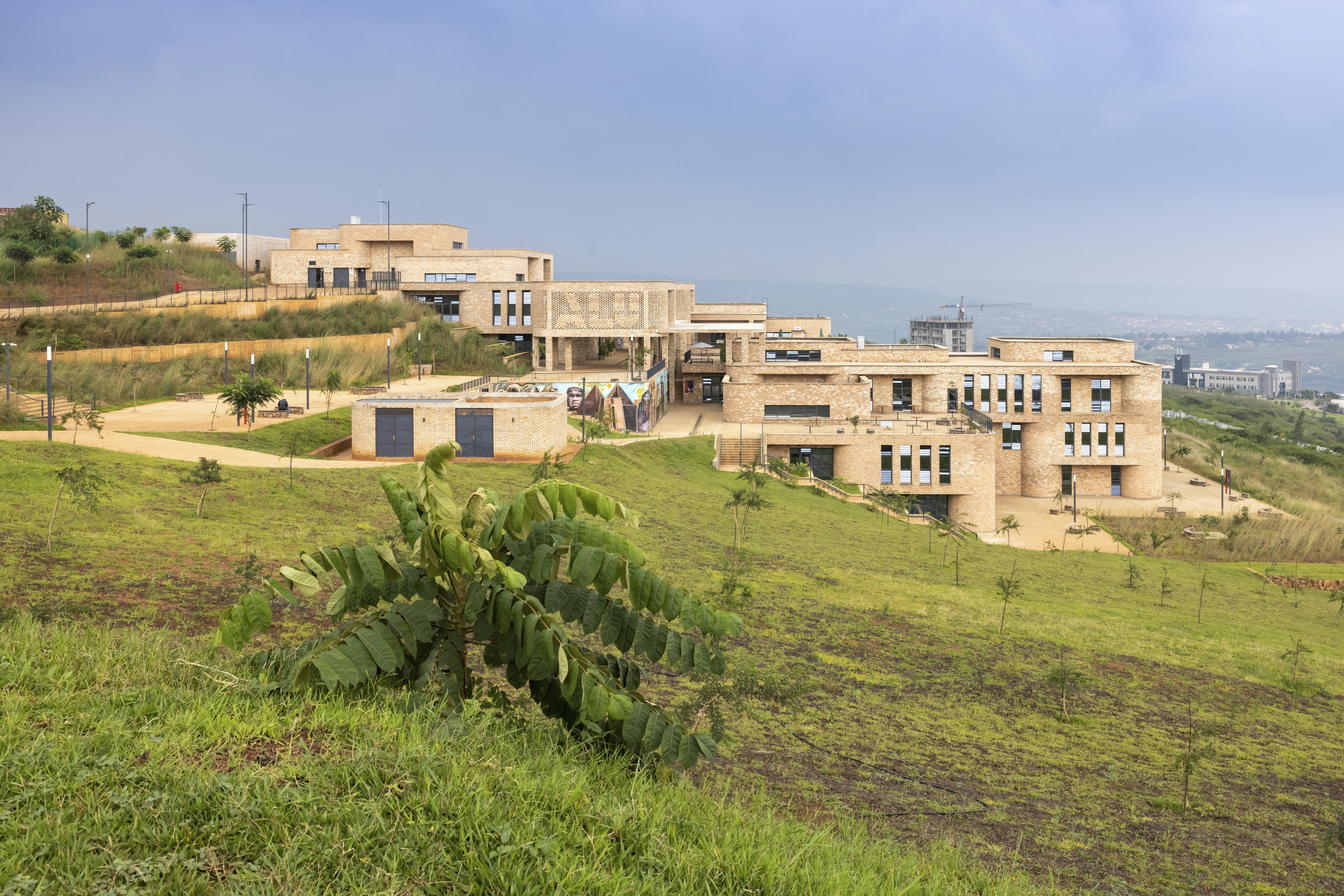
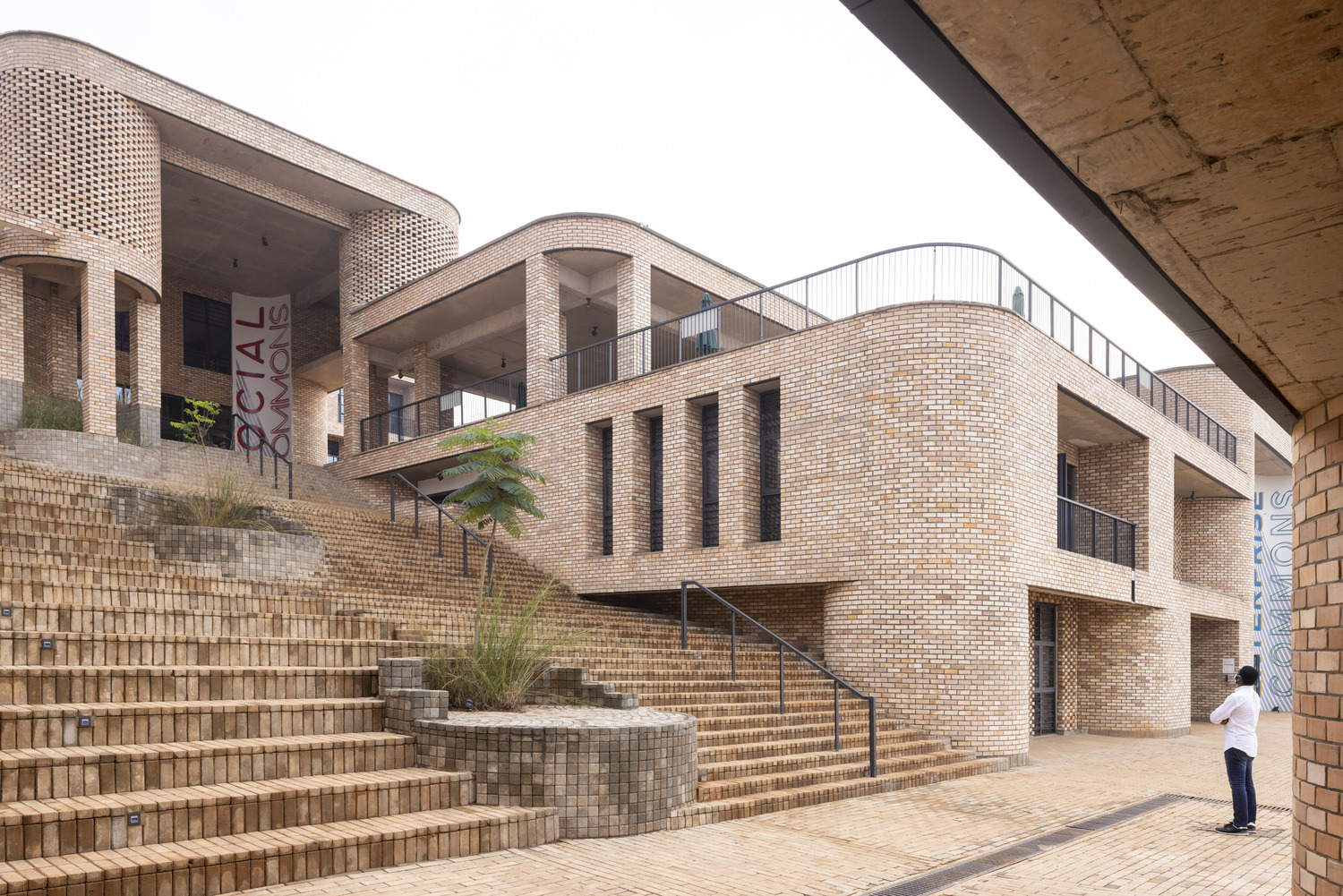
ALU’s 100,000-sq. m.(10-hectare) campus features a 40-meter (131-foot) drop in elevation from the top to the bottom, which necessitated a design that steps down the change in elevation. To account for this, the design developed around smaller stacked and nested spaces, linked together around shared commons, creating a navigable campus that is both distributed and interconnected as it moves up the hill. The project grows up from the lowest level, stacking modules together—the roof of a classroom serves as the floor of a plaza above—to create new environments for learning and interaction in a combination of indoor and outdoor space.

The campus is organized into three connected spaces: the Learning, Social, and Enterprise Commons. These include student learning labs and study pods; a reception and greeting space for group gatherings; resource commons; a faculty area; a leadership center for events and presentations; a dining hall and food vendors; and a fabrication lab where students can prototype and test ideas

During construction MASS provided construction administration services to streamline the inspection and approval processes in order to build the 6500 sq. m. (69,965 sq. ft.) project in just 8 months.

Landscape

Landscaping at African Leadership University. Copyright - Iwan Baan

© Iwan Baan

African Leadership University - Landscaped Gathering Spaces. Copyright - Iwan Baan

© Iwan Baan IMAGE PENDING APPROVAL

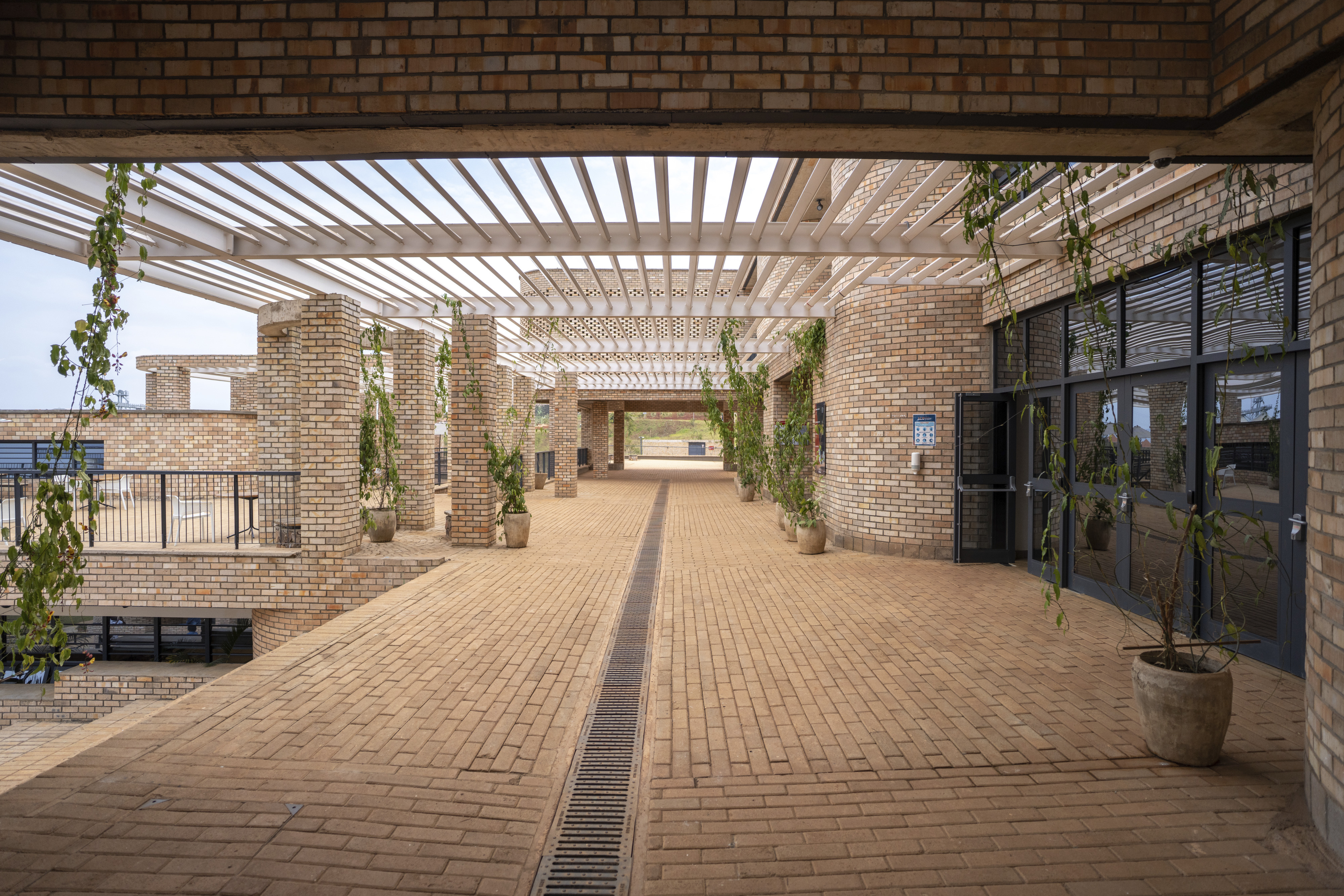
The site’s slope and the building's resulting terraced design necessitated a landscape design that would bring greenery and native planting back into the built environment. Every outdoors plaza, walkway, and gathering space has plantings, including trees and climbing vines that will continue to green the space over time.

But those plantings serve an additional purpose, which is to create permeability in the site to deal with stormwater management. Because of the steep slope, the stormwater management approach also includes a stormwater retention pond of approximately 1800cum capacity at the base of the hill, the water from which can be used for irrigation during the dry season.

Engineering

African Leadership University - Shaded Windows. Copyright - Iwan Baan

© Iwan Baan

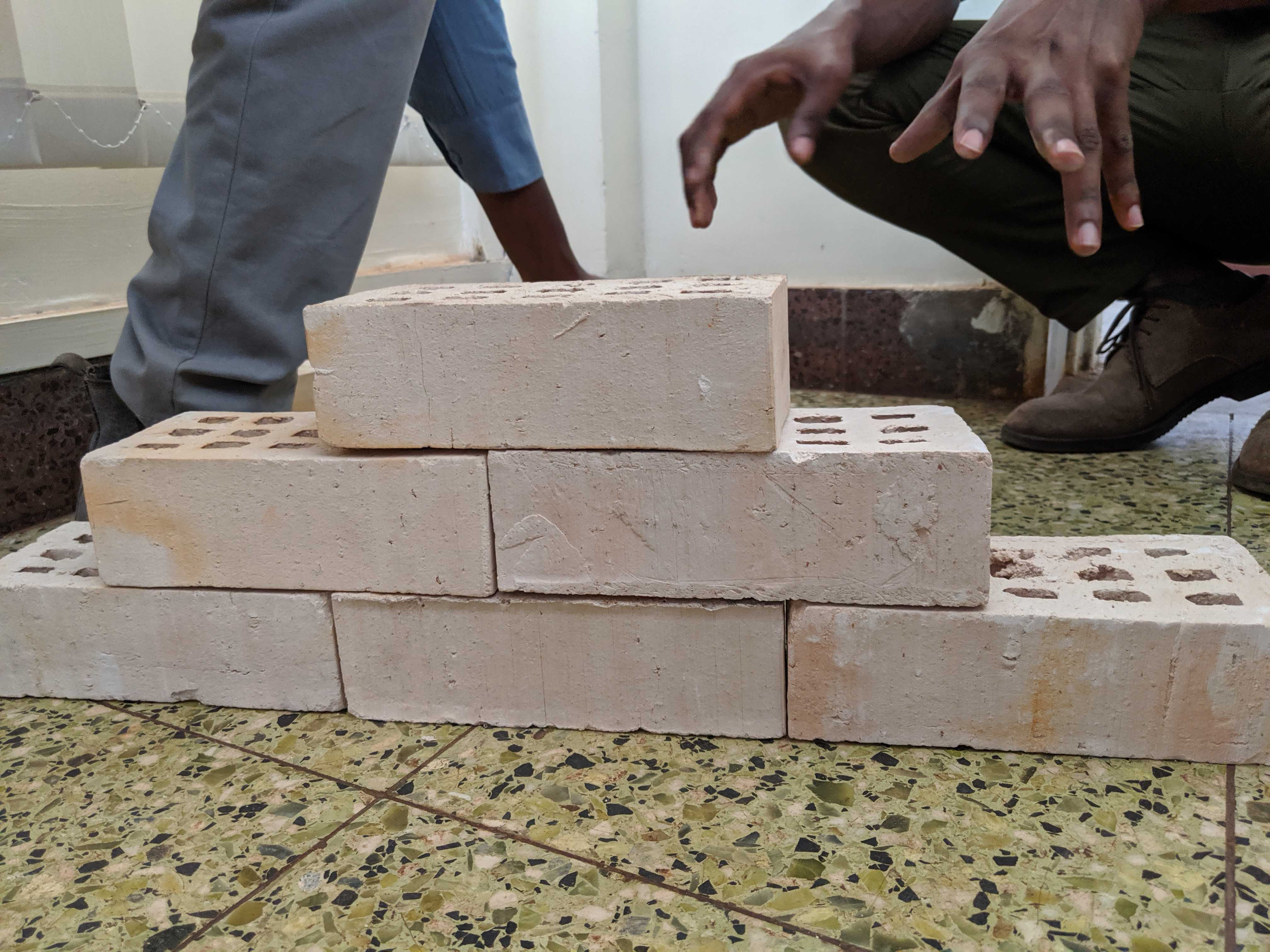
African Leadership University - Fired Clay Bricks. Copyright - Iwan Baan

© Iwan Baan IMAGE PENDING APPROVAL

MASS also contributed engineering services and developed the buildings’ seismically qualified reinforced-concrete frames. The frames were infilled with compressed stabilized-earth blocks that were manufactured on site; retaining walls are integrated with the frames as the building steps down hill. The bricks for the buildings’ light-colored façade were fabricated in Muhanga, 1.5 hours outside of Kigali; the clay bricks are sustainably fired, low-maintenance, and relatively weather-proof. Skat Consulting, Inc., supports and trains local brick manufacturers to fire the bricks using coffee-husk-fired efficient kilns.

The facade's shaded windows and clerestories ensure that most of the campus can take advantage of Kigali’s comfortable climate and rely on natural ventilation and daylighting, taking advantage of Kigali's comfortable climate, but an HVAC system supports some interior spaces.

Strategy

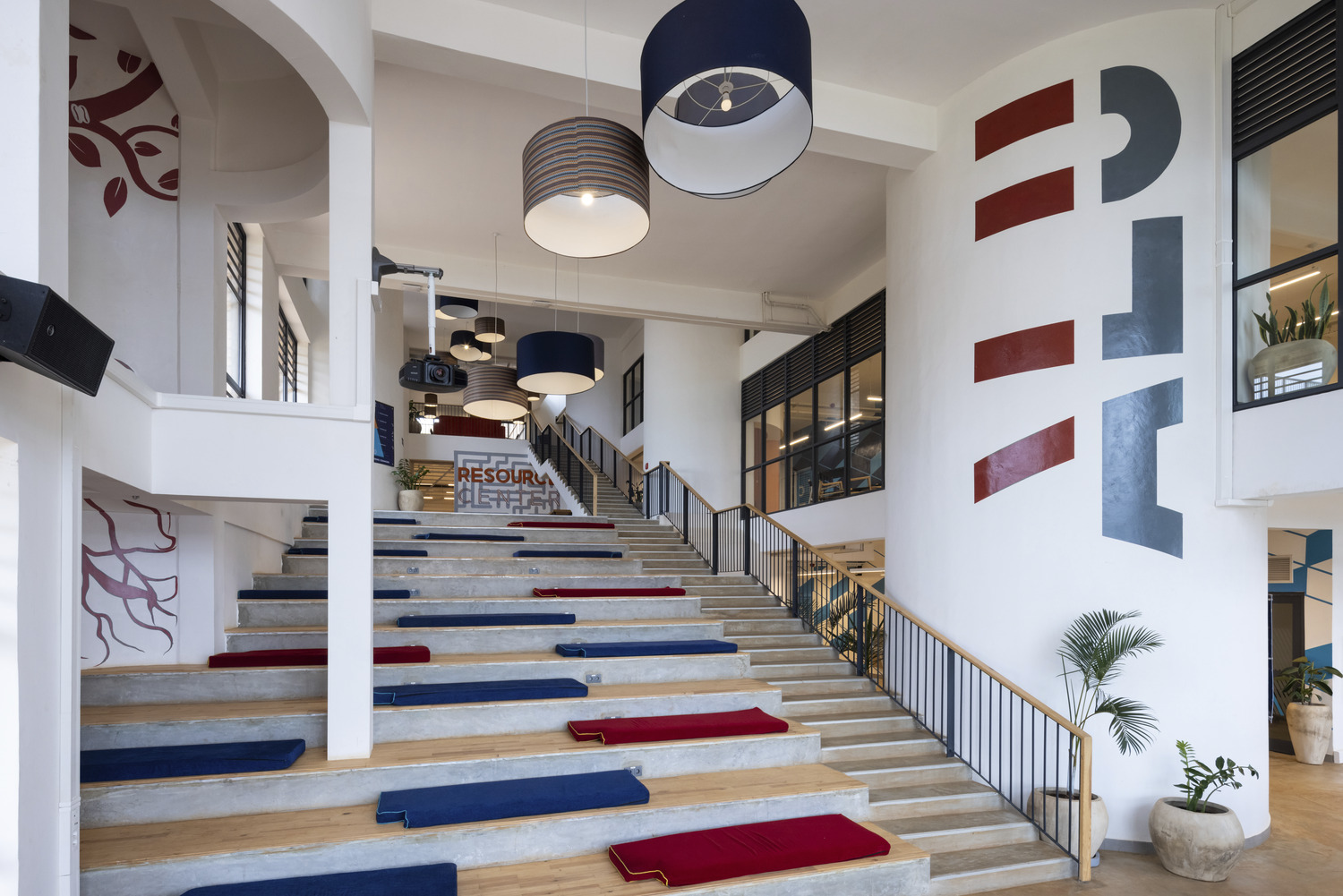
ALU Campus interior

© Iwan Baan

Through in-depth engagement with Swaniker and the rest of the ALU team, MASS was able to analyze and understand the university’s unique educational model and the spaces needed to serve it. Analysis revealed that the students will only spend 3 hours a day in an actual classroom for facilitated learning, but 6 to 10 hours a day in individual or peer learning groups, ranging from 1-5 people.

MASS designed learning pods to accommodate these smaller groups and developed a grid to incorporate them with facilitated learning and social spaces to maximize learning environments. The maximum capacity for each larger work area was limited to 150-180 students—the number that had proven so successful at ALU’s initial campus in Mauritius—to maximize meaningful interaction and learning.

Working with ALU to develop this strategy ensured not only that the Kigali Innovation City campus effectively services its 1,200 students, but that ALU is set up with a spatial strategy that will help holistically support the impact of its educational model on future campuses, as well.

Furniture Design and Fabrication

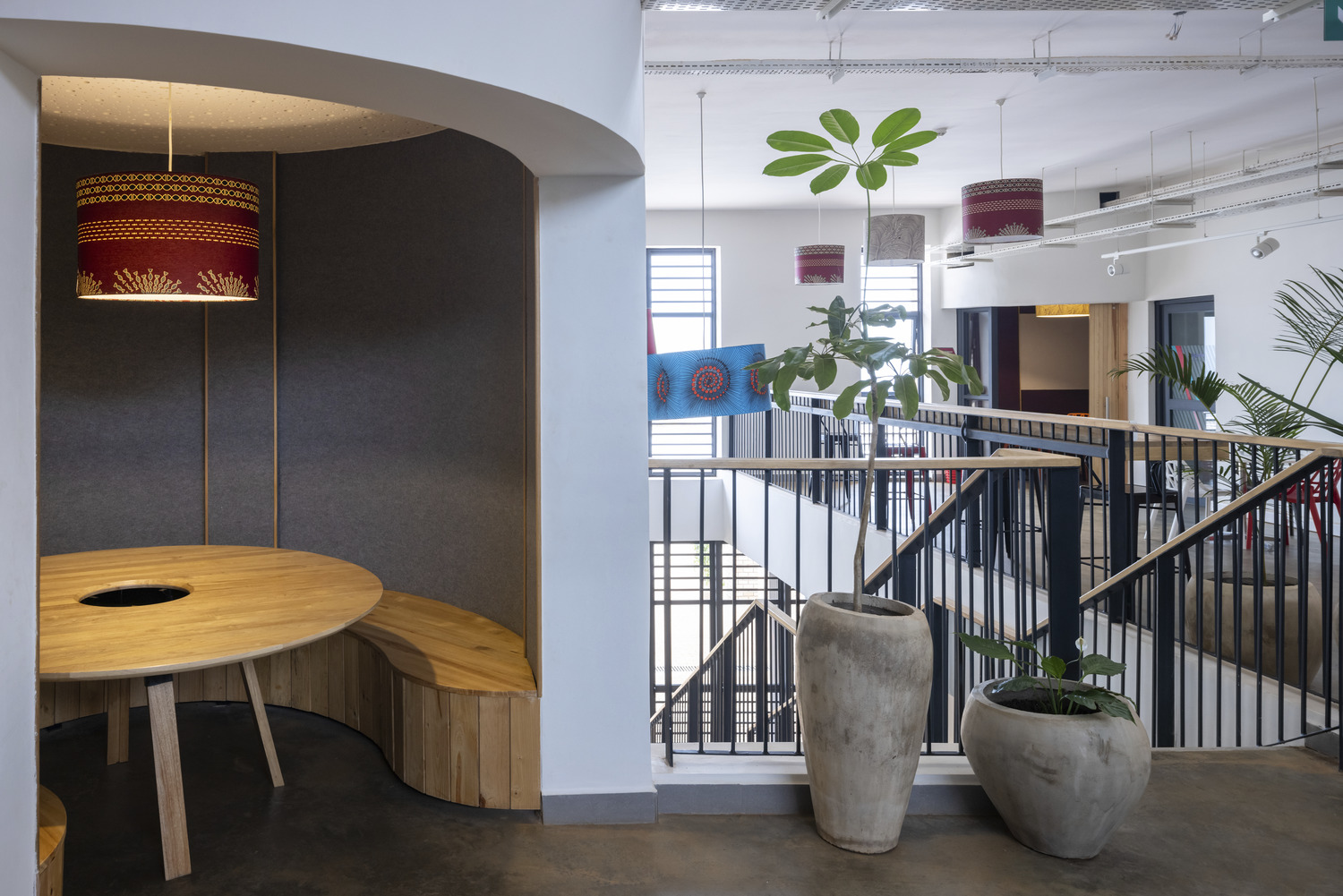
ALU Campus interior

© Iwan Baan

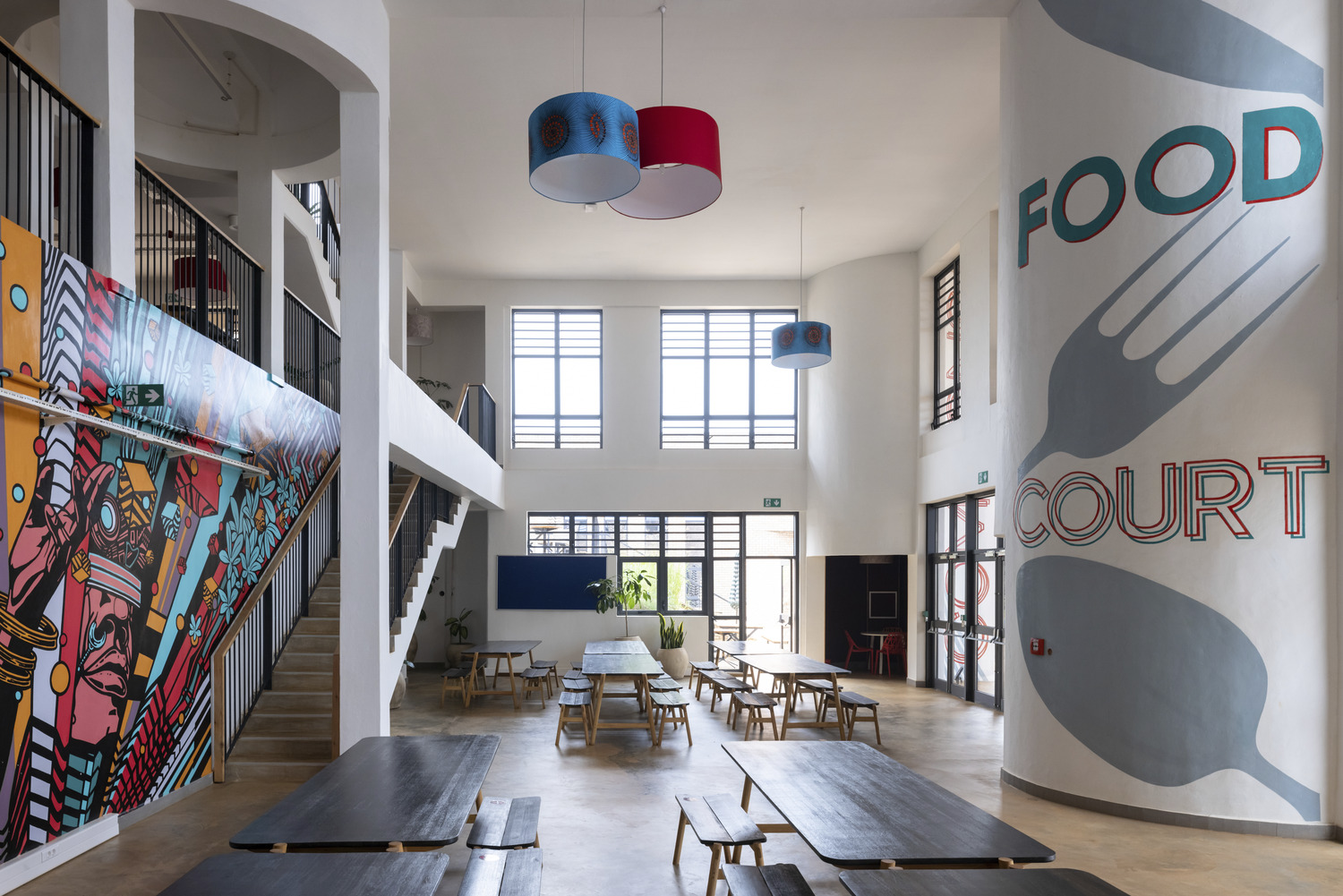
ALU Campus interior

© Iwan Baan

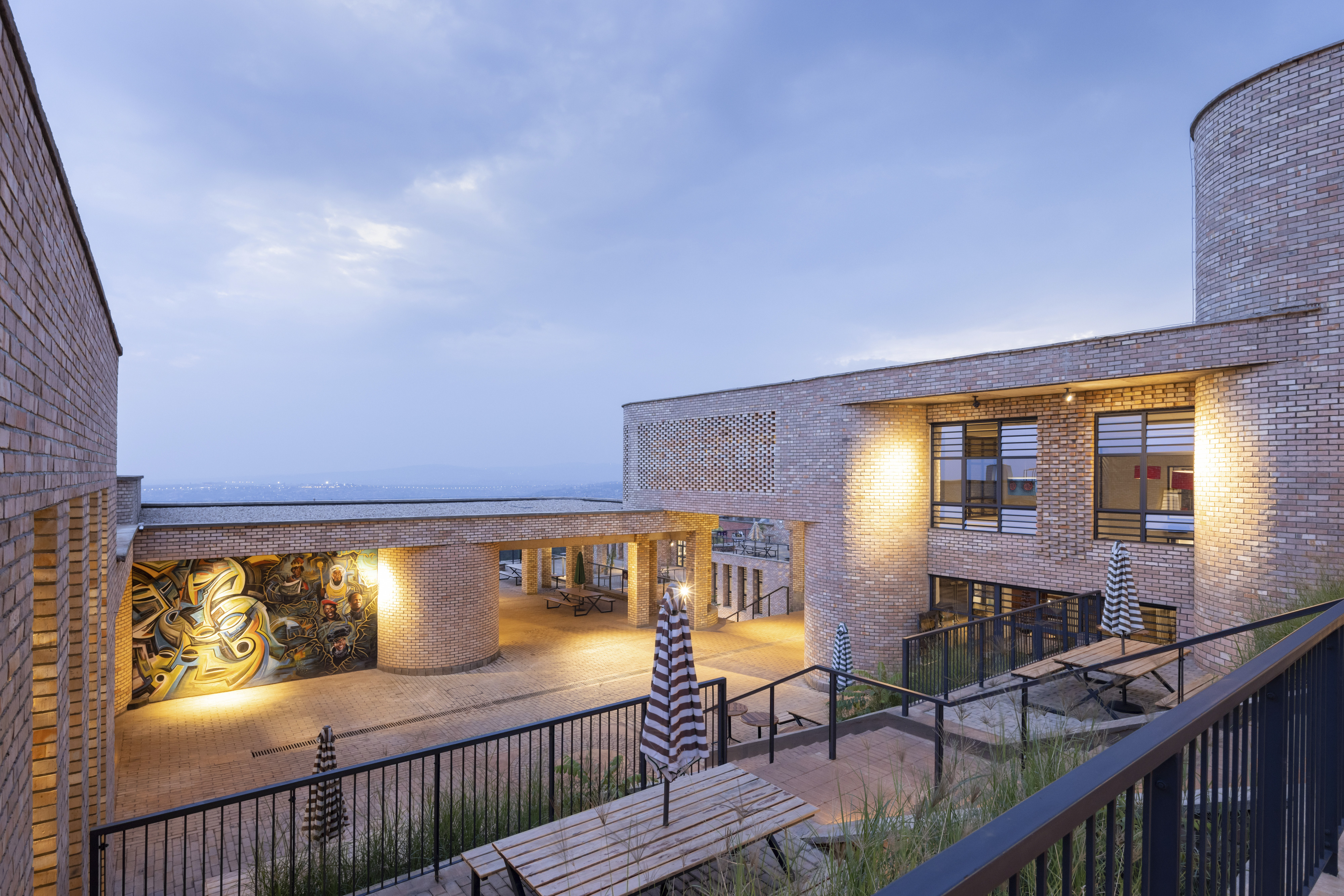
MASS leveraged its Lo-Fab methodology and approach in designing and fabricating key elements of the project’s furnishings, including tables and benches for common spaces, built-ins, lighting, signage, and lockers. MASS engaged with local artists who painted Afrofuturist murals, branded wall graphics, and provocative quotes from African leaders throughout the campus to provide moments of inspiration and reflection for students, faculty, and staff alike.